







Table of Contents
- The New Definition of High-Value
- What Counts as High-Value in 2026
- 4 Types of Premium Access Worth Paying For
- Where Luxury Travelers Lose Time and Money
- The 3-Question Planning Framework
- 7 Real High-Value Experience Examples
- Why Execution Matters More Than Ideas
- Understanding True Cost vs. Value
- Strategic Booking Timeline Guide
- Frequently Asked Questions
The New Definition of High-Value
High-value experiences in 2026 aren’t measured by price tags. The new luxury standard prioritizes access, timing, privacy, and flawless execution over superficial displays of wealth. Understanding this shift separates sophisticated travelers from those simply spending money.
According to Virtuoso’s 2025 Luxury Travel Report, 78% of high-net-worth travelers now prioritize “transformative experiences” over material luxury goods. The shift reflects a fundamental change in how wealthy individuals define value and allocate travel budgets.
The difference between a nice trip and a legendary one often comes down to a single detail. The right place, at the right time, with logistics already handled. That’s what separates premium experiences from standard luxury travel.
This transformation didn’t happen overnight. Over the past decade, luxury travelers evolved from collecting destinations to curating moments. The Instagram era initially drove superficial experiences—visiting famous locations to photograph them. But sophisticated travelers quickly realized that crowds, lines, and rushed schedules destroyed the very exclusivity they sought.
Today’s discerning travelers invest in experiences that cannot be replicated through standard booking channels. They understand that true luxury means having the Louvre to yourself, not sharing it with 30,000 daily visitors. It means arriving at St. Moritz by helicopter in 45 minutes rather than driving three hours through mountain traffic.
What Counts as High-Value in 2026

Ultimate luxury travel moments worth booking typically fall into four powerful categories. Each offers something money alone cannot guarantee: genuine exclusivity and transformative impact.
Private Access Experiences
After-hours museum tours at institutions like the Louvre provide intimate encounters with art impossible during public hours. Private wine tastings at legendary châteaux where winemakers share vintages never released commercially. Villa rentals with dedicated staff in locations physically closed to typical tourists.
The value isn’t just privacy. It’s the quality of experience when crowds disappear and time pressure evaporates. Consider the difference: visiting the Sistine Chapel with 2,000 other tourists versus experiencing it alone with an art historian who spent decades studying Michelangelo’s techniques.
Private access extends beyond museums. Private concerts in historic venues. Closed-set film studio tours. Access to restoration workshops where priceless artifacts receive conservation treatment. Fashion house ateliers where couture pieces are handcrafted. These spaces typically remain invisible to standard luxury travelers.
Iconic Moment Access
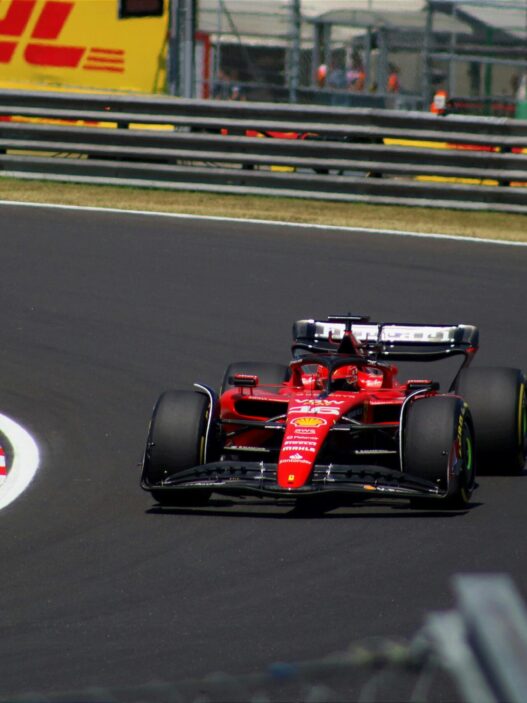
Major sports finals like Formula 1 Monaco Grand Prix or Super Bowl represent peak premium experiences. Fashion weeks in Milan, Paris, and New York with front-row access. Cultural events like Art Basel where new collectors emerge and deals happen in private lounges.
These moments happen once. Missing them means waiting an entire year or longer. The Super Bowl happens annually, but your team might not return for decades. Formula 1 races Monaco once per year—there’s no “next weekend” option.
What separates ordinary attendance from VIP access? At Monaco Grand Prix, general admission tickets cost €200-500 and provide limited views from crowded grandstands. Yacht access in the harbor costs €10,000-25,000 but includes unobstructed views, hospitality, private chef service, and the ability to host clients or friends. The price difference is 20-50x, but the experience difference is exponential.
Similar dynamics apply to Wimbledon Centre Court, Masters Tournament at Augusta, Cannes Film Festival, Met Gala, and other cultural tentpoles. Standard tickets provide attendance. VIP access provides the experience plus networking opportunities that often justify the entire investment.
Ultra-Comfort Mobility
Direct routes via private jet membership programs that eliminate airport chaos. Seamless helicopter transfers between cities like Zürich and St. Moritz. Ground transportation that anticipates needs before they arise.
Premium mobility isn’t about showing off. It’s about controlling time, the ultimate luxury asset. A commercial flight from London to Zürich requires: arriving 2 hours early for security, boarding processes, waiting for takeoff, the flight itself, deplaning, baggage claim, customs, and ground transportation. Total time: 5-6 hours. A private jet reduces this to 2.5 hours total, eliminating every friction point.
For destinations like St. Moritz, the advantage multiplies. After landing in Zürich, you face a 3.5-hour mountain drive or 3-hour train journey. A helicopter transfer reduces this to 45 minutes of scenic flying. You’ve saved 5+ hours compared to commercial aviation—nearly an entire day recovered for skiing, meetings, or relaxation.
This calculation becomes even more compelling for groups. Private jet charter versus first-class tickets shows that for 6-8 passengers, private aviation often costs the same or less per person while saving exponentially more time.
Curated Service Layers
Personalized dining arranged by professional concierge services who know which chefs are innovating right now, not which restaurants were famous five years ago. Discreet security that enables freedom rather than restricting it—you can explore spontaneously because risks are already assessed and mitigated. Last-minute adaptability when weather, health, or opportunity demands flexibility.
The best concierge services operate proactively. They don’t wait for you to request dinner reservations—they’ve already secured options at three restaurants matching your preferences, with cars scheduled and backup plans if your meeting runs late. They monitor weather patterns and have helicopter alternatives ready if conditions deteriorate.
This level of service requires relationship capital accumulated over years. The concierge who can secure impossible reservations doesn’t have a special phone number—they have a relationship with the restaurant owner built through decades of bringing valuable clients.
4 Types of Premium Access Worth Paying For
Not all “exclusive access” delivers real value. Some create artificial scarcity. Understanding which access types justify premium pricing protects you from wasting money on manufactured exclusivity while identifying genuine opportunities.
Type 1: Temporal Access
Experiencing locations or events outside normal operating hours creates authentic value. Early museum entry before crowds arrive—not 15 minutes early, but 2 hours before opening. Late-night private viewings after closing when guards have gone home and you can photograph freely. Access to venues during setup or tear-down when the magic of production becomes visible.
Research from McKinsey’s Future of Luxury Travel study shows temporal access generates 2.3x higher satisfaction scores than crowded standard options, even when viewing identical content.
Why does timing matter so much? Psychology and practicality. Psychologically, exclusive timing signals genuine privilege—you’re experiencing something unavailable to others. Practically, empty spaces allow deeper engagement. You can spend 30 minutes studying a single painting without crowds pushing you forward. You can ask questions without competing for attention. You can photograph without strangers in every frame.
Temporal access also applies to seasonal timing. Visiting Antarctica in November rather than peak December-January offers identical wildlife viewing with 40% smaller groups and 25-30% lower pricing. Experiencing Tuscany’s grape harvest in late September provides participation in winemaking impossible during tourist season. Accessing ski resorts on weekday mornings versus weekends transforms the experience through empty slopes and no lift lines.
Type 2: Knowledge Access
Direct interaction with creators, artists, winemakers, and chefs transforms consumption into education. Understanding the “why” behind what you’re experiencing. Access to expertise that converts observation into genuine learning and appreciation.
This matters because luxury travelers increasingly seek meaning alongside aesthetics. Drinking a $500 bottle of Burgundy is pleasant. Drinking that same bottle with the winemaker who explains the specific vineyard parcel, the unusual weather that year, and the aging decision is transformative. You’re not just consuming—you’re understanding.
Knowledge access works best when experts share openly rather than performing rehearsed presentations. The chef who explains not just the dish but the failed experiments that led to it. The artist who discusses pieces they’re embarrassed by and why. The fashion designer who reveals construction techniques competitors would pay millions to understand.
These interactions create lasting value. Long after the meal is finished or the wine is consumed, the knowledge and understanding remain. Many luxury travelers report that knowledge-based experiences generate more lasting satisfaction than purely sensory ones.
Type 3: Spatial Access
Entry to locations physically restricted from public access represents peak exclusivity. Private islands where tourism is prohibited. Backstage at performances where only cast and crew are allowed. Production facilities where luxury goods are manufactured. Restoration workshops where priceless artifacts receive conservation treatment.
Spatial access reveals how things actually work rather than how they’re presented publicly. Touring a luxury watch manufacture isn’t about seeing finished products—it’s about understanding the hundreds of hand operations required for a single timepiece. Visiting a perfume house’s raw material laboratory reveals the chemistry and testing behind fragrance creation.
These behind-the-scenes experiences often prove more compelling than polished final products. The imperfections, the trial-and-error, the craftsmanship—these elements create appreciation impossible through retail experiences.
Type 4: Community Access
Introduction to networks of people pursuing similar interests at high levels creates lasting value beyond the immediate experience. Fellow collectors who share acquisition strategies. Industry leaders who provide market insights. Cultural insiders who explain unwritten rules and emerging opportunities.
The relationships formed during premium experiences often outlast the moments themselves. Art collectors meeting at a private gallery opening form relationships leading to collaborative acquisitions. Entrepreneurs connecting at an exclusive business retreat develop partnerships. Wine enthusiasts introduced at a château tasting organize annual buying groups.
Community access requires authentic shared interests. Manufactured networking events where people exchange business cards differ fundamentally from organic connections forming through shared experiences. The best community access happens naturally—you’re doing something fascinating together, and relationships develop organically.
Where Luxury Travelers Lose Time and Money
Even experienced luxury travelers make predictable mistakes that erode value. According to Forbes Travel insights, three errors account for most luxury travel disappointments—and they’re all preventable with proper planning.
Location Errors
Booking the “famous hotel” in the wrong neighborhood destroys trip efficiency regardless of property quality. Staying in central Paris at the Four Seasons George V sounds perfect until you realize your art museum itinerary requires 45-minute commutes to the Marais and Musée d’Orsay. The hotel is magnificent, but location logistics waste 3-4 hours daily.
Choosing beach resorts during local school holidays when prices peak and exclusivity disappears. The Maldives in July offers identical weather to December but 30% lower rates and 40% fewer guests. The experience quality improves while costs decrease—if you avoid European summer holidays.
Location strategy should prioritize experience proximity, not brand recognition. Sometimes the lesser-known boutique hotel near your primary activities outperforms the famous property requiring constant transportation. Map your planned experiences first, then select accommodations optimizing access.
Timing Failures
Visiting destinations during shoulder season sounds smart for avoiding crowds. But shoulder season exists for reasons: weather, closures, reduced services. Visiting Santorini in March saves money but half the restaurants remain closed, ferry schedules are limited, and weather is unreliable.
Conversely, visiting during peak periods without advance planning guarantees either unavailability or price premiums. Attempting to book St. Moritz accommodations in February for the same week is impossible—everything booked months prior at premium rates.
The solution: understand seasonal dynamics for each destination. Some locations have genuine shoulder seasons offering 80% of peak experience at 60% of peak cost. Others have “off-season” for legitimate reasons that degrade experience quality.
Transfer Inefficiency
Landing at the “nearest” airport without considering ground transportation time and complexity negates aviation efficiency. Flying private from London to Geneva saves time versus commercial—but then driving 2.5 hours to Verbier eliminates that advantage. Flying instead to Sion (10 minutes from Verbier) maximizes efficiency.
Flying into major hubs when private aviation access to smaller airports would save hours. Accepting standard taxi services when luxury ground transportation eliminates friction and creates better first impressions.
Transfer planning should consider total door-to-door time, not just flight duration. A one-hour private jet flight plus two-hour drive equals three hours total. A 90-minute helicopter flight directly to destination saves 90 minutes and eliminates ground transfer fatigue.
Poor Communication with Service Providers
Unclear requests to concierge services and charter operators create frustration. Saying “I want something special” without defining preferences forces providers to guess. Better: “I collect contemporary photography and want private gallery access in Paris, preferably with artist interaction, budget flexible for exceptional opportunities.”
This specificity enables providers to deliver exactly what you want rather than what they think luxury means. Many disappointments stem from miscommunication, not poor service.
The 3-Question Planning Framework
Before committing to any high-value experiences, ask three questions. These filter out pseudo-luxury and focus investment on genuine value that aligns with your actual priorities.
Question 1: What is the main moment of this trip?
Every trip has a primary purpose. A wedding. A business meeting. A cultural event. An anniversary. A specific museum exhibition. Once you identify the main moment, everything else supports it rather than competing for attention.
Supporting elements should enhance rather than compete with the primary experience. If the main moment is a private wine tasting in Burgundy at a legendary estate, the hotel should be nearby and understated, not a destination demanding its own time and attention. The meal afterward should complement wine flavors, not overpower them.
Many trips fail because they attempt too many “main moments.” Trying to combine art museums, Michelin dining, shopping, and sports in a four-day trip means experiencing nothing fully. Better: choose one primary focus and build everything else around it.
Question 2: What do we want to protect—time, privacy, or energy?
Different premium experiences protect different resources. Private jet charter protects time by eliminating airport procedures and enabling direct routing. Villa rentals protect privacy by removing shared-space interactions and unwanted social obligations. Concierge services protect energy by handling complexity and decision-making.
You cannot optimize for all three simultaneously without significant budget increase. A five-star hotel in central locations provides convenience but sacrifices privacy. A remote villa maximizes privacy but requires more travel time. Choose the protection priority, then design around it.
This question also reveals whether you’re actually ready for certain experiences. If you want to protect time above all else, booking complex multi-city itineraries requiring constant coordination contradicts your priority. If privacy matters most, attending major events with thousands of attendees won’t satisfy.
Question 3: What can be made frictionless through better mobility choices?
Poor mobility ruins otherwise perfect itineraries. Forbes reports that 64% of luxury travelers cite “seamless transitions” as their highest priority after accommodations—because transitions are where experiences typically degrade.
Helicopter transfers between Swiss cities. Private jet positioning for multi-country itineraries. Chauffeur services with luggage management. Each removes decision fatigue and waiting time. The question forces you to identify where logistics create stress and invest in eliminating those friction points.
Sometimes the answer is “nothing needs improvement”—walking between nearby locations often provides better experiences than driving. But identifying what actually benefits from premium mobility versus what doesn’t prevents wasting resources on unnecessary services.
7 Real High-Value Experience Examples

These examples demonstrate how to plan luxury experiences worth the investment through access, timing, and execution. Each illustrates specific principles that apply across different contexts.
Example 1: Private Louvre After-Hours Tour
Standard Louvre visit: 3-hour wait in security lines, massive crowds forcing you through galleries at crowd pace, 90-minute rushed viewing of major works. You see the Mona Lisa from 15 feet away for approximately 30 seconds before crowds push you forward. Photography is technically allowed but practically impossible due to people blocking every angle.
Premium alternative: Private curator-led tour starting at 7 PM after public closure. Two hours exploring 15 key pieces with detailed explanation from an art historian who spent their career studying the collection. Zero crowds means you can stand directly in front of the Mona Lisa for as long as you want. Photography permitted without restrictions. Questions answered in depth rather than rushed.
Total cost: €5,000 for up to 6 people. Per person cost for a group of six: €833. The value calculation: 2 hours of quality attention versus 90 minutes of stress. For serious art collectors or special occasions, the price is irrelevant compared to the experience quality.
This example demonstrates temporal access (after hours), knowledge access (expert curator), and spatial access (areas closed to general public). It solves every problem with standard museum visits: crowds, time pressure, superficial viewing, and inability to ask questions.
Example 2: Monaco Grand Prix Yacht Access
Watching Formula 1 from a yacht positioned in Monaco harbor provides unobstructed views of the track’s most dramatic section—the corner where cars decelerate from 180mph to 50mph in approximately two seconds. Include hospitality, private chef, climate control, bathroom facilities, and the ability to host guests.
Compare this to grandstand tickets with limited views, no amenities, no shade, and no flexibility. Grandstand tickets cost €500-1,000 but provide inferior experience in every dimension. Yacht access costs €15,000-25,000 but delivers completely different experience quality plus networking opportunities with other yacht guests.
This example shows how premium pricing sometimes delivers exponentially more value rather than incrementally better versions of standard experiences. You’re not paying 20x more for a 20% better view—you’re accessing an entirely different experience category.
Example 3: Burgundy Domaine Private Harvest Experience
Participating in grape harvest at a prestigious Burgundy domaine, followed by private tasting of library vintages not available commercially. Learning terroir directly from the winemaker who manages these specific parcels. Dinner in the château using estate-grown ingredients paired with wines spanning three decades.
This combines knowledge access (winemaker expertise), spatial access (vineyard and cellar areas closed to visitors), and temporal access (harvest happens once yearly). The experience creates understanding impossible through retail wine purchases or standard tastings.
Cost: €2,000-4,000 per person depending on domaine prestige and wine allocation. But participants often receive allocation access to future releases worth more than the experience cost—making it effectively free for serious collectors.
Example 4: Antarctica Expedition During Optimal Conditions
Most travelers visit Antarctica during peak season (December-January) when ships are fully booked at maximum prices and wildlife viewing is actually inferior to November. Visiting in November or early December offers equally good—sometimes better—conditions with penguin chicks still present, whale activity peaking, and 30% cost savings.
The strategic move: booking two years in advance when pricing is lowest and cabin selection optimal. Premium cabins book first, so advance planning secures best positions and pricing simultaneously.
Cost difference: Peak season December trip: $12,000-18,000 per person. November trip booked in advance: $8,000-12,000 for identical or superior experience. Savings: $4,000-6,000 per person through timing strategy alone.
This demonstrates how market knowledge creates value without requiring premium budgets. You’re getting better experience at lower cost through information advantage.
Example 5: Aspen X Games Private Suite
Rather than general admission chaos with crowds, limited visibility, no seating, and basic facilities, securing a private suite provides climate control, premium food and beverage, dedicated entrance avoiding crowds, comfortable seating with perfect views, and ability to host clients or guests.
General admission: $200-400 per person for mediocre experience in extreme weather (X Games happen in January). Suite access: $3,000-5,000 total but accommodates 8-12 guests, reducing per-person cost to $250-625—similar to or less than premium general admission while delivering superior experience.
The business value multiplies when hosting clients. The suite becomes a business development tool, not just an entertainment expense. Clients remember experiences, not transactions.
Example 6: Milan Fashion Week Insider Access
Authentic fashion week access requires industry connections built over years. Working with specialized concierge services can secure front-row seating, backstage access, and invitations to after-parties where business relationships form and next season’s trends become clear before public reveals.
According to Business of Fashion analysis, genuine industry access during fashion weeks creates networking opportunities worth significantly more than the event attendance cost for fashion industry professionals, buyers, and luxury retail operators.
Cost: $10,000-25,000 for comprehensive week access including top shows, after-parties, and industry events. For fashion industry participants, this investment often generates business opportunities worth 10-50x the attendance cost through early trend identification and relationship development.
Example 7: Japanese Ryokan with Rare Kaiseki Chef
Securing reservations at ryokans where legendary kaiseki chefs prepare meals using regional ingredients at peak seasonality. These establishments often require personal introductions and book 6-12 months ahead. Some accept only Japanese speakers or require referrals from previous guests.
The experience combines accommodation, cuisine, and cultural immersion in ways impossible to replicate through separate bookings. You’re not just eating exceptional food—you’re participating in culinary tradition refined over centuries.
Cost: $800-2,000 per person per night including accommodation and meals. Comparable Michelin dining alone costs $400-800, making the all-inclusive ryokan experience surprisingly efficient while delivering cultural immersion impossible in urban restaurants.
Ready to plan your best exclusive travel moments 2026? Visit PrivateCharterX for expert luxury travel coordination and instant quotes.
Why Execution Matters More Than Ideas
Premium travel moments fail most often at the execution layer. The idea is perfect. The location is ideal. The budget is sufficient. But implementation problems destroy what should be transformative experiences.
Professional concierge services exist specifically to handle execution complexity. They manage details most travelers don’t consider until problems emerge: backup plans for weather, alternative restaurants if your first choice is unavailable, ground transportation timed to actual flight arrival rather than scheduled time, and coordination across multiple service providers who’ve never worked together before.
Execution Failures to Avoid
Booking experience components separately without ensuring compatibility. Reserving a private museum tour without confirming the curator’s availability. Scheduling tight transfer windows without accounting for traffic or weather. Assuming services will coordinate themselves rather than explicitly managing handoffs.
The cost of poor execution often exceeds the cost of professional planning assistance. A missed helicopter connection because ground transportation ran late can cost $5,000-10,000 in rebooking fees and accommodation changes—far more than a concierge service would have charged to ensure proper coordination.
What Professional Planning Provides
Experienced concierge services bring relationship capital accumulated over decades. They don’t just call restaurants for reservations—they call chef-owners who take their calls personally. They don’t request helicopter charters—they work with operators who prioritize their clients because they’ve brought reliable business for years.
This relationship capital proves most valuable during problems. When weather delays your flight and you’ll miss your restaurant reservation, a good concierge doesn’t just cancel and rebook—they call the chef directly, explain the situation, and negotiate holding your table because their relationship has value beyond this single transaction.
Understanding True Cost vs. Value
Premium experiences often appear expensive until you calculate true cost per quality hour rather than absolute pricing. A $5,000 private museum tour seems costly until you compare it to the value of time saved and experience quality gained.
The Quality-Hour Framework
Standard museum visit: $30 admission + 3 hours in lines/crowds = $30 for ~90 minutes of actual viewing = $20/quality-hour with poor experience conditions.
Private tour: $5,000 for 6 people = $833 per person for 2 hours of focused viewing = $416/quality-hour with optimal experience conditions.
The private tour costs 20x more per quality-hour but delivers exponentially better experience. For a once-in-lifetime experience or serious collectors, this calculation makes absolute pricing irrelevant.
Hidden Costs of “Cheaper” Options
Standard luxury travel includes hidden costs that erode value: time wasted in airports, energy spent managing logistics, stress from crowds and uncertainty, opportunity cost of inferior experiences. These hidden costs often exceed the price difference between standard and premium options.
Flying commercial first class versus private jet appears to save money until you calculate time lost in airports (4-6 hours per round trip), productivity loss from travel fatigue, and the inability to control timing for last-minute schedule changes. For high-value business travelers, the private jet often costs less when factoring actual productivity.
Strategic Booking Timeline Guide
Different premium experiences require different booking windows. Understanding optimal timing prevents both rushed last-minute bookings and unnecessarily early commitments that tie up funds.
12-24 Months Advance
Antarctica expeditions, specific luxury train journeys, prestigious ryokans, major sporting events (Super Bowl, Monaco Grand Prix), exclusive villa rentals during peak season. These experiences book completely or reach premium pricing within 12 months of dates.
6-12 Months Advance
Private museum tours during high season, Michelin three-star restaurants (especially Per Se, French Laundry, Noma), fashion week access, luxury African safari peak season, specific wine harvest experiences.
3-6 Months Advance
Most private aviation for complex routing, helicopter charters in peak season, premium concert and theater access, luxury hotel suites during high season, specialized culinary experiences.
1-3 Months Advance
Standard private jet charters, luxury ground transportation, concierge services, premium restaurant reservations (non-three-star), luxury accommodations shoulder season.
Last-Minute (Under 1 Month)
Some private aviation (with premium pricing), luxury ground transportation, certain concierge services, hotel accommodations (limited choice), empty leg flight opportunities (significant discounts).
Frequently Asked Questions
Q: How far in advance should high-value experiences be booked?
For truly exclusive access—private museum tours, rare restaurant reservations, major sporting events—book 3-6 months minimum. Some premium experiences like Antarctica expeditions or prestigious ryokans require 12-24 month planning windows. According to Bloomberg Wealth research, booking timelines for luxury travel have extended 40% since 2020 due to increased demand.
Q: What distinguishes genuinely exclusive experiences from manufactured exclusivity?
Genuine exclusivity derives from physical limitations (space constraints), expertise requirements (only specific people can provide the experience), or temporal constraints (harvest seasons, astronomical events). Manufactured exclusivity artificially restricts access to create premium pricing without underlying scarcity. Ask: Could this experience scale infinitely if they wanted? If yes, the exclusivity is manufactured.
Q: How do you calculate ROI on high-value experiences?
ROI should measure quality of memory, knowledge gained, relationships formed, and time protected rather than financial returns. However, comparing “cost per hour of quality experience” across options helps identify genuine value versus overpriced mediocrity. For business travelers, calculate productivity gains and relationship development value.
Q: Can luxury experiences be planned last-minute?
Some categories allow last-minute booking if you accept limited choice and potentially higher costs. Private aviation, luxury ground transportation, and certain concierge services operate on short timelines. Museum tours, restaurant reservations, and event access generally require advance planning. Working with experienced concierge services increases last-minute success rates significantly by leveraging existing relationships.
Q: Are premium experiences worth the cost compared to standard luxury options?
The value equation depends on what you’re optimizing for. If your priority is maximizing experiences per dollar, standard luxury often provides better value. If your priority is quality per experience, time efficiency, or creating specific memories, premium options typically deliver exponentially better results. Calculate based on your actual priorities rather than abstract notions of “worth it.”
Q: How do I verify service providers won’t disappoint?
Check provider credentials through industry associations, review third-party ratings from ARGUS (aviation) or Virtuoso (travel), request client references for similar experiences, verify insurance and licensing, and start with smaller engagements before committing to expensive experiences. Established providers readily provide verification information—hesitation is a red flag.
Sources
- Virtuoso Luxury Travel Report 2025
- McKinsey – The Future of Luxury Travel
- Louvre Museum Private Tours
- Formula 1 Official Hospitality
- Forbes – Luxury Travel Trends Analysis
- Forbes – Private Aviation Market Growth
- Business of Fashion – Fashion Week Access Economics
- Bloomberg – Luxury Travel Booking Trends
- PrivateCharterX – Luxury Travel Planning