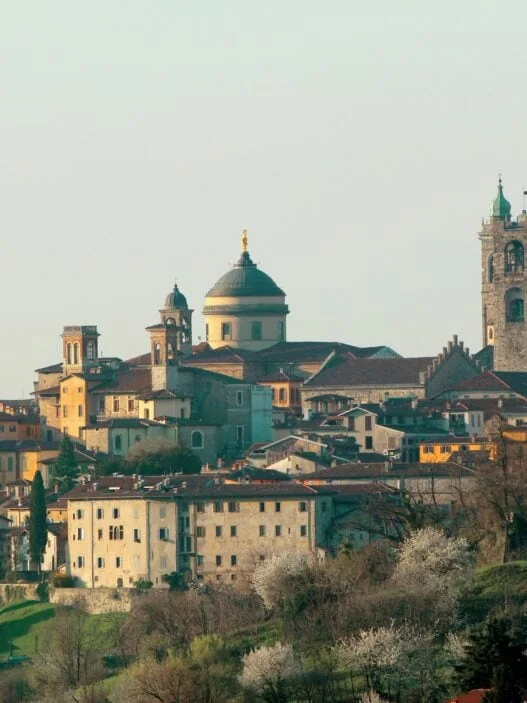





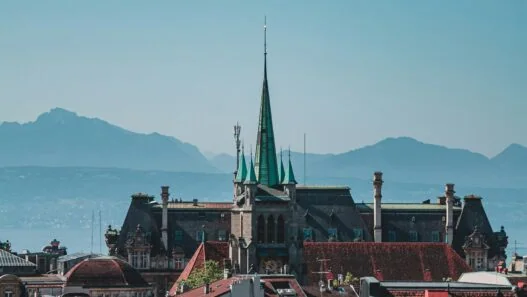
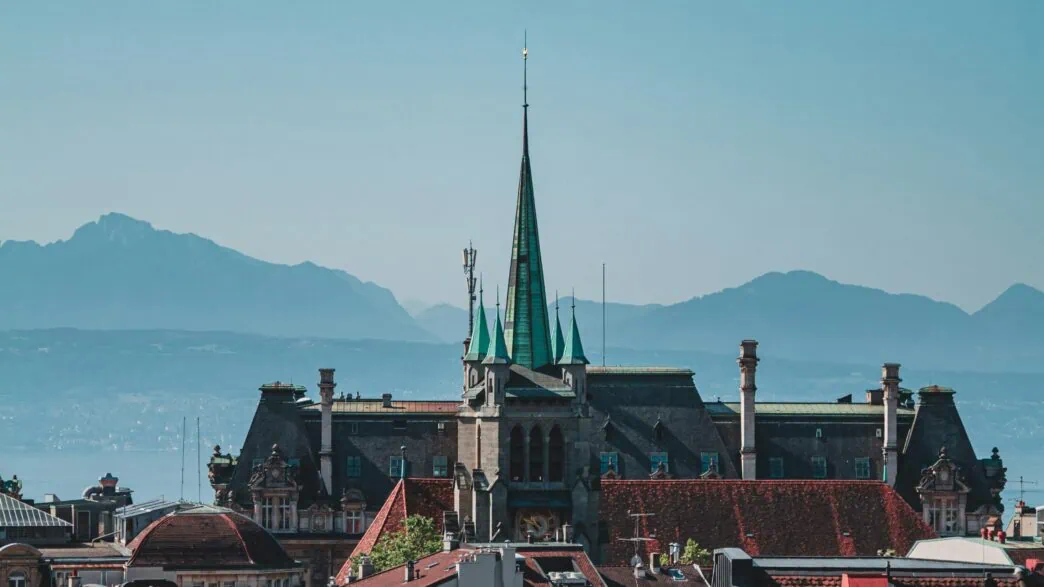
Lausanne Switzerland serves as Olympic capital of the world, hosting the International Olympic Committee (IOC) headquarters and operating as global center for sports governance, international organizations, and sophisticated Swiss-French culture. Situated on Lake Geneva’s northern shore between Geneva (60km west) and Montreux (30km east), this city of 140,000 combines dramatic hillside setting, lakeside elegance, and vibrant university culture with Swiss efficiency and quality standards. The adjacent Lavaux vineyards—UNESCO World Heritage terraced slopes descending to the lake—provide spectacular scenery and world-class wines defining the region’s character.
For business executives attending IOC meetings or sports federation conferences, luxury travelers seeking Lake Geneva sophistication without Geneva’s formality, wine enthusiasts exploring UNESCO vineyards by helicopter, and technology professionals engaging with EPFL (Swiss Federal Institute of Technology Lausanne), Lausanne Switzerland delivers exceptional experiences combining lakeside beauty, cultural depth, and Swiss infrastructure. The city attracts substantial international population including sports officials, federation staff, university students and faculty, and wealthy residents drawn by quality of life, excellent schools, and lakeside luxury at prices moderating below Geneva levels.
This comprehensive guide provides essential intelligence for planning Lausanne Switzerland visits in 2026, covering transport from Geneva and Zurich, navigating the hillside city, Olympic Museum and IOC attractions, Lavaux vineyard exploration, luxury lakeside hotels in Ouchy district, French-Swiss dining culture, day trips throughout Lake Geneva region, costs and budgeting, and practical tips for experiencing Switzerland’s Olympic capital. Whether visiting for sports business, wine tourism, or discovering Lake Geneva’s sophisticated alternative to Geneva, this guide delivers actionable information for successful Lausanne experiences.
For official Lausanne information and current events, visit Lausanne Tourism. Olympic movement information appears on Olympic.org.
Lausanne Switzerland at a Glance
- Location: Canton Vaud, Western Switzerland
- Population: 140,000 (city), 420,000 (metro area)
- Language: French (official), English widely spoken
- Elevation: 372-871m (hillside city)
- Lake: Lake Geneva (Lac Léman)
- Claim to Fame: Olympic Capital since 1915
- Airport: Geneva Airport (GVA, 60km west)
- Distance Geneva: 60km / 40min train
- Distance Zurich: 230km / 2h15 train
- UNESCO Site: Lavaux Vineyards (adjacent)
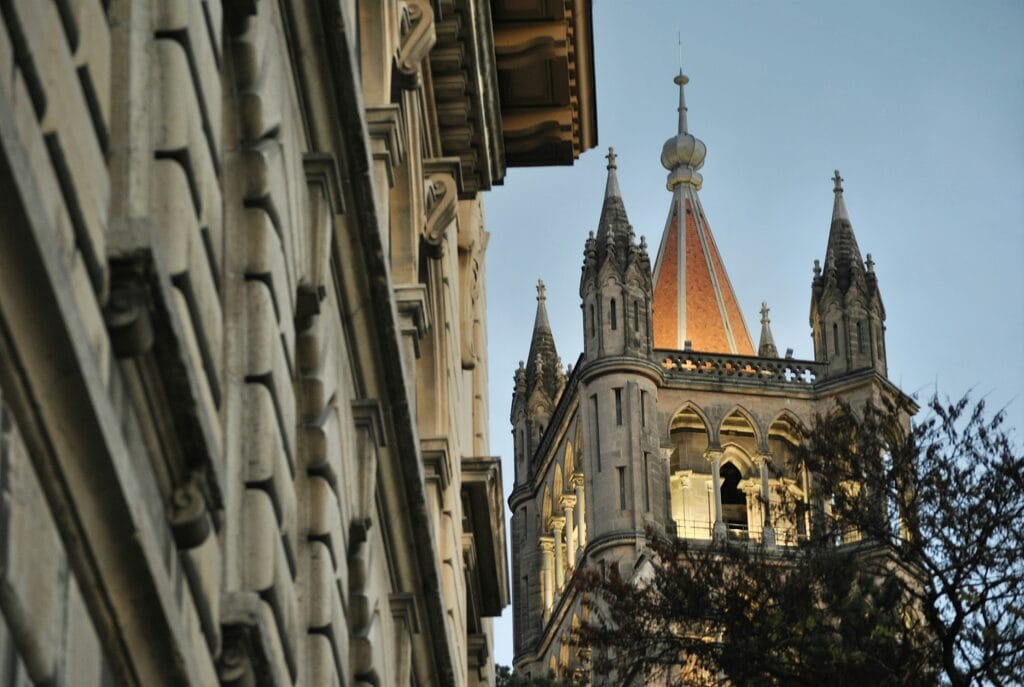
Table of Contents
- Lausanne Switzerland Overview
- Getting to Lausanne: Train & Helicopter
- Olympic Capital: IOC & Sports Federations
- Old Town & Gothic Cathedral
- Ouchy Lakeside District
- Lavaux UNESCO Vineyards
- Best Hotels in Lausanne
- French-Swiss Dining
- EPFL Tech Hub & Innovation
- Day Trips from Lausanne
- Costs & Budgeting
- Frequently Asked Questions
Lausanne Switzerland Overview: The Olympic Capital
Lausanne Switzerland became Olympic capital in 1915 when Baron Pierre de Coubertin, founder of the modern Olympic Games, relocated the International Olympic Committee headquarters here. Over a century later, the Olympic movement remains central to Lausanne’s identity—the IOC employs 600+ staff, dozens of international sports federations maintain headquarters here, and the Olympic Museum attracts visitors worldwide. This concentration of sports governance creates unique business ecosystem supporting events, conferences, and the sophisticated international community managing global sport.
Why Lausanne Differs from Geneva
Lausanne Switzerland sits just 60 kilometers from Geneva yet operates with distinctly different character. Geneva emphasizes multilateral diplomacy, humanitarian organizations, and private banking with formal international atmosphere. Lausanne focuses on Olympic movement, university culture (EPFL and University of Lausanne combine for 30,000+ students), and more relaxed lakeside lifestyle. The city feels less formal than Geneva, more student-influenced despite sophisticated elements, and more focused on quality of life versus Geneva’s business intensity.
The dramatic hillside topography creates vertical city impossible in flat Geneva—medieval old town crowns the hill (871m), modern city center occupies mid-slopes, while Ouchy lakeside district (372m) provides beach-like atmosphere at lake level. The 500-meter elevation difference creates distinct neighborhoods and spectacular views but requires fitness for walking or reliance on efficient funicular and metro systems. For comprehensive Geneva comparison, see our detailed Geneva Switzerland complete guide.
Lake Geneva Region Position
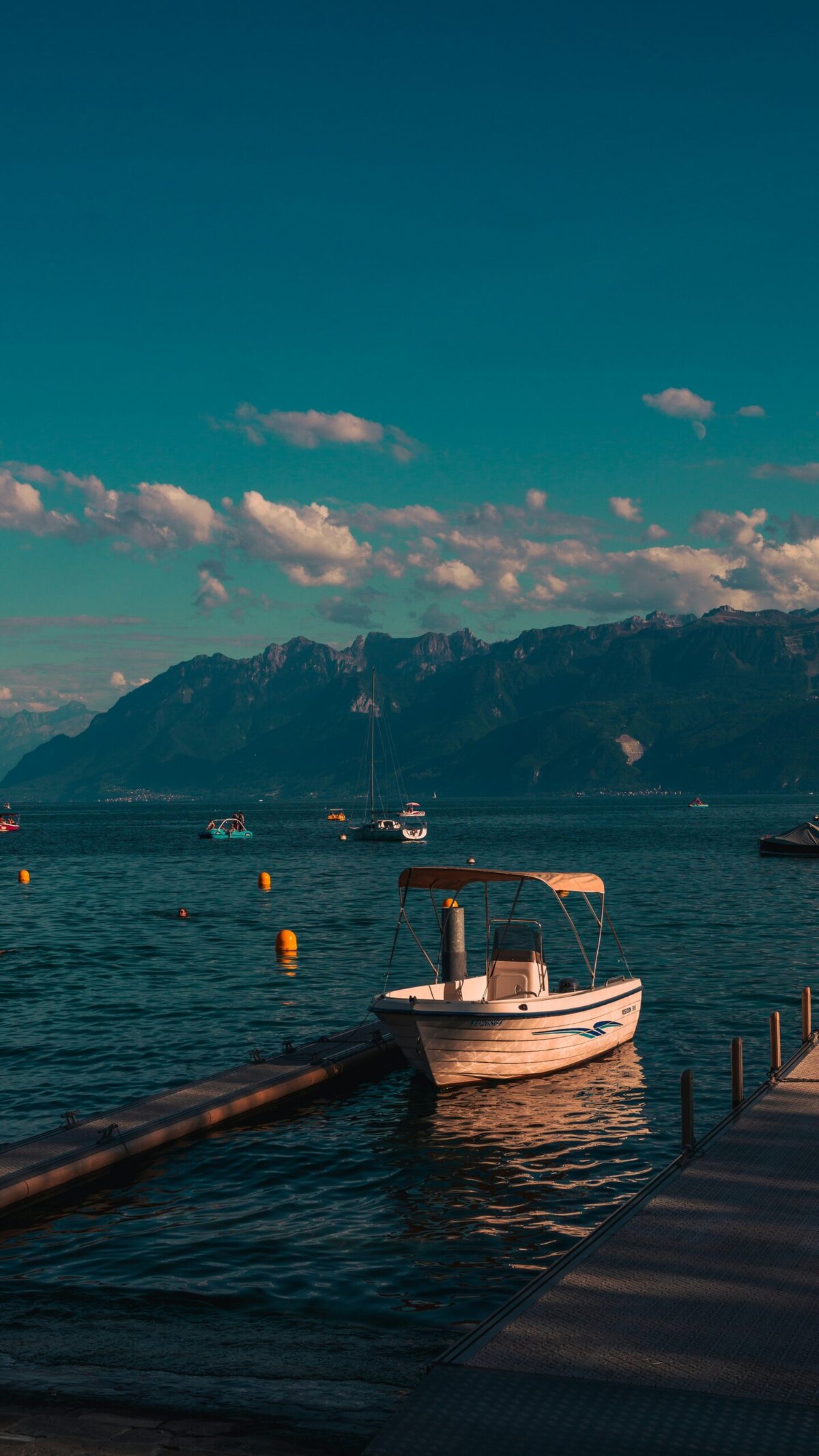
Lausanne occupies strategic central position on Lake Geneva’s northern (Swiss) shore. Geneva sits 60km west (international hub, airport, diplomacy), Montreux lies 30km east (resort town, music festival, mountain access), while Lausanne provides the sweet spot—sophisticated urban infrastructure, university vibrancy, Olympic prestige, and Lavaux wine region access without Geneva’s formality or Montreux’s pure tourism focus. The CGN (Compagnie Générale de Navigation) boat service connects all lakeside towns, creating liquid highway enabling scenic transport throughout the region.
Getting to Lausanne Switzerland: Train, Helicopter & Transport Options
Lausanne Switzerland benefits from excellent rail connections as major stop on the Geneva-Zurich main line, while lacking its own commercial airport. Geneva Airport serves international arrivals (60km west, 40 minutes by train), with Zurich Airport providing alternative access (230km, 2h 15min by train). Understanding transport options enables selecting appropriate methods for specific priorities—scenic lakeside travel, time efficiency, or luxury helicopter service.
Geneva to Lausanne: Primary Connection
Most international travelers reach Lausanne Switzerland via Geneva Airport (GVA), continuing east via train along Lake Geneva’s spectacular northern shore. The journey showcases vineyards, châteaux, and lake views defining the region’s beauty.
Train Geneva-Lausanne – Swiss Federal Railways operates 4-6 trains hourly requiring 35-50 minutes depending on express versus regional service (CHF 30-40 round-trip first class). The route hugs Lake Geneva’s shore, providing constant water and mountain views. Trains continue from Geneva Airport station directly to Lausanne, eliminating city transfers. First-class coaches offer comfortable seating, WiFi, and productive work environment. Book through SBB Swiss Railways for best availability and Swiss Travel Pass integration.
Drive Geneva-Lausanne – The 60-kilometer drive via A1 motorway requires 40-50 minutes in normal traffic. Swiss motorway vignette (CHF 40 annual) required. The autoroute route provides efficiency but sacrifices lakeside scenery visible from parallel secondary roads. Parking in Lausanne proves expensive and challenging in city center and old town—hotels typically charge CHF 25-40 daily. Most visitors find train service more convenient than driving given frequency, reliability, and parking complications.
Executive Ground Transport – Luxury chauffeur services operate Geneva Airport-Lausanne routes in Mercedes S-Class, BMW 7-Series, or similar vehicles (CHF 300-500 one-way). The 40-minute journey enables productive work or relaxation while professional drivers navigate motorway and Lausanne’s challenging hillside geography. Some services accept cryptocurrency payment including Bitcoin and Ethereum. For detailed chauffeur options, see our comprehensive Zurich chauffeur service guide.
Zurich to Lausanne: Cross-Country Connection
Zurich-Lausanne trains operate hourly requiring 2h 15min via Bern (CHF 110-140 round-trip first class). The route crosses central Switzerland showcasing diverse landscapes from Lake Zurich through Bernese Oberland to Lake Geneva. For travelers combining Zurich business with Lausanne visits, this direct connection proves convenient versus backtracking through Geneva. However, most international arrivals use Geneva Airport given proximity. For comprehensive Zurich coverage, see our detailed Zurich Switzerland complete guide.
Helicopter Charter: Lake Geneva & Alps Access
Helicopter charter enables rapid movement around Lake Geneva region and access to Alpine destinations. Geneva Airport-Lausanne helicopter requires 15 minutes (CHF 3,000-5,000 per flight, 4-6 passengers), transforming 40-minute ground journey into brief scenic flight over lake and vineyards. Zurich-Lausanne helicopter: 35 minutes (CHF 8,000-12,000). These premium services suit time-sensitive executives or those seeking dramatic aerial perspectives of Lake Geneva and Alps.
Lausanne lacks dedicated heliport—most helicopter operations use nearby Blecherette airfield or coordinate direct hotel landings at properties with facilities. Popular helicopter routes include Lavaux vineyard tours (30 minutes, CHF 2,000-3,000), Chamonix day trips (25 minutes each way), and Verbier ski resort transfers (30 minutes, winter season). For comprehensive Swiss helicopter charter information, see our detailed helicopter charter price guide for Switzerland.
Within Lausanne: Metro & Funicular
Lausanne Switzerland operates Switzerland’s only metro system—M2 line connecting lakeside Ouchy to hilltop old town and EPFL campus (14 stops, 20 minutes end-to-end). The rubber-tired automated metro climbs the city’s dramatic topography, eliminating exhausting uphill walks. Single tickets cost CHF 3.60 (2 zones), day passes CHF 10. The historic Funi funicular connects Ouchy to city center (2 minutes, integrated in public transport tickets).
The public transport system proves essential for navigating Lausanne’s vertical geography—walking from Ouchy lakeside to old town cathedral involves 500-meter elevation gain unsuitable for many visitors. The metro and funiculars operate efficiently (5-10 minute frequencies), cleanly (Swiss standards), and affordably versus taxis (CHF 15-25 for short city rides). Hotel guest cards often include free public transport during stays.
Olympic Capital: IOC Headquarters & Sports Heritage
Lausanne Switzerland’s Olympic capital status creates unique attractions and business ecosystem impossible to experience elsewhere. The concentration of sports governance, Olympic history, and international sports federations provides both tourist interest and professional opportunities for those in sports business.
Olympic Museum: World’s Premier Sports Museum
The Olympic Museum, perched on Ouchy’s hillside overlooking Lake Geneva, ranks among the world’s finest sports museums. The facility showcases Olympic history from ancient Greece through modern games, featuring 10,000+ artifacts, 150 screens displaying Olympic moments, interactive exhibits, and rotating special exhibitions. Highlights include Olympic torch collection, medal displays from every games, athlete testimonials, and comprehensive coverage of Olympic values, challenges, and evolution.
The museum underwent major renovation (2012-2013) creating state-of-the-art facility emphasizing interactivity and visitor engagement. Admission CHF 18 adults, CHF 10 children. Plan 2-3 hours for thorough visit. The museum restaurant and terrace provide lunch with spectacular lake views (CHF 25-45 per person). The park surrounding the museum features sculptures, Olympic-themed installations, and lakeside walking paths. Open year-round except January maintenance closure. Book through Olympic Museum.
IOC Headquarters & Olympic House
The International Olympic Committee headquarters—Olympic House—opened 2019 as sustainable architectural landmark designed by Danish firm 3XN. The building earned highest sustainability certification (LEED Platinum, SNBS Platinum, Minergie P-ECO) through innovative energy systems, recyclable materials, and integration with surrounding park. While the working headquarters doesn’t offer public tours (staff facility requiring credentials), the striking architecture and lakeside park provide photo opportunities and connection to Olympic movement’s administrative heart.
The nearby Château de Vidy houses Olympic Studies Centre (research library and archive), accessible to researchers and academics by appointment. The 40+ international sports federations headquartered in Lausanne Switzerland include FIFA, Court of Arbitration for Sport, International Skating Union, and others—creating sports governance concentration unmatched globally. Business travelers engaging with these organizations benefit from Lausanne’s comprehensive meeting infrastructure and sports-focused services.
Sports Business & Conferences
Lausanne Switzerland’s Olympic capital status generates substantial sports business activity—conferences, federation meetings, athlete gatherings, and sports industry events. The city developed specialized infrastructure including sports-focused hotels, meeting facilities understanding international federation requirements, and service providers (translators, security, transport) experienced with high-profile sports visitors. Business travelers should book well in advance during major sports events or federation annual meetings when hotel capacity strains.
Old Town & Gothic Cathedral: Medieval Lausanne
Lausanne Switzerland’s old town crowns the city’s highest point, preserving medieval character with cobblestone streets, historic buildings, and the dominant Gothic cathedral. The old town provides atmospheric contrast to modern lakeside districts while showcasing Lausanne’s history as independent Prince-Bishopric before joining Switzerland in 1536.
Lausanne Cathedral: Gothic Masterpiece
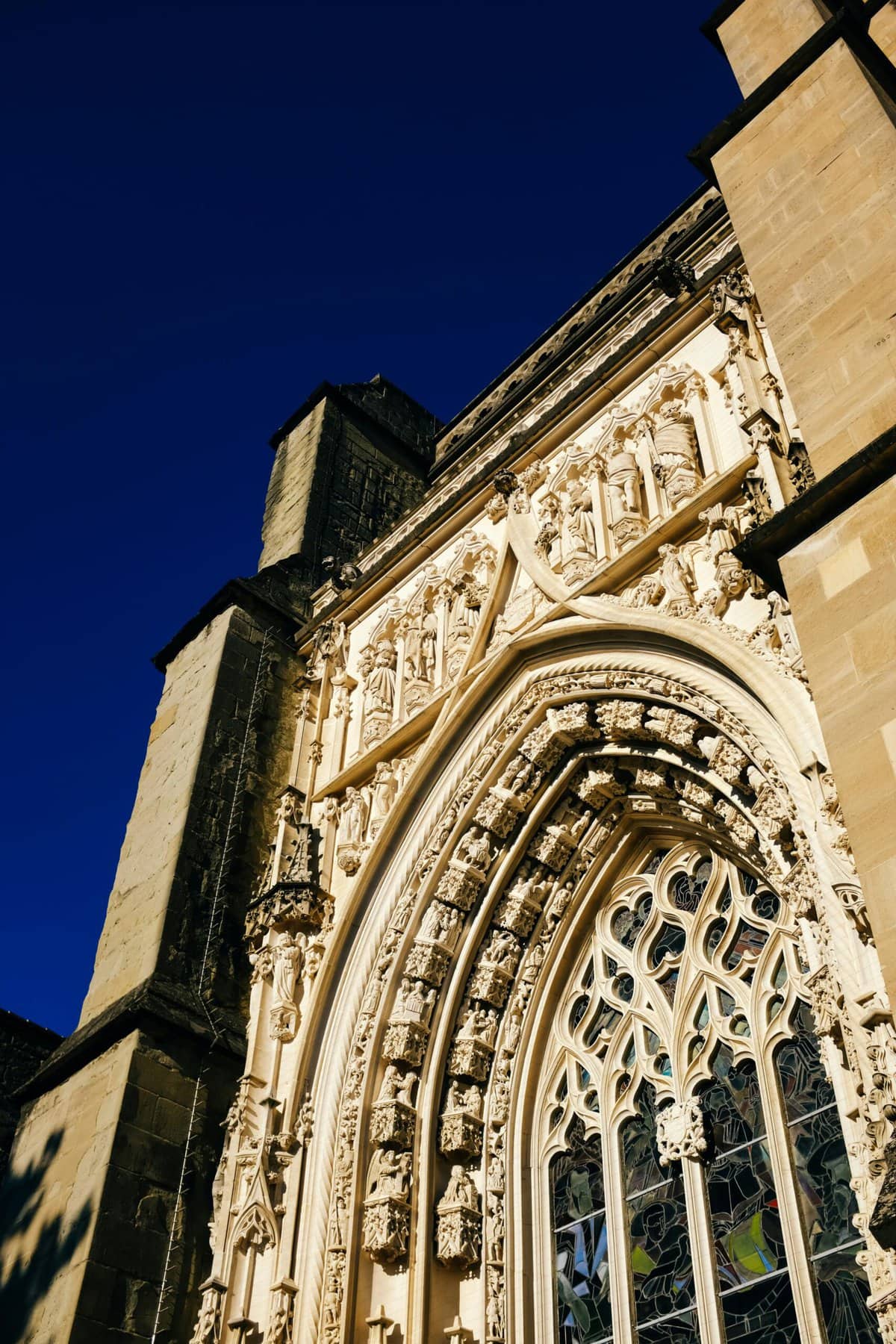
Lausanne Cathedral (Cathédrale de Lausanne), consecrated 1275, represents Switzerland’s finest Gothic architecture and Swiss Protestantism’s most important historic church. The building combines French Gothic structural ambition with Swiss Protestant simplicity—the Reformation stripped Catholic decorations but preserved architectural magnificence. Key features include spectacular rose window, detailed portal sculptures, medieval crypt, and the famous night watchman tradition (calling hours from tower 10pm-2am October-June).
The cathedral welcomes visitors year-round (free admission, donations appreciated). Tower climbs provide panoramic views over Lausanne, Lake Geneva, and Alps (232 steps, CHF 5, open April-September). Concert series throughout the year showcase the cathedral’s exceptional acoustics. Guided tours available in multiple languages explaining architectural and historical significance. The surrounding Place de la Cathédrale hosts Wednesday and Saturday markets where locals shop for produce, cheese, flowers, and regional specialties.
Old Town Walking & Architecture
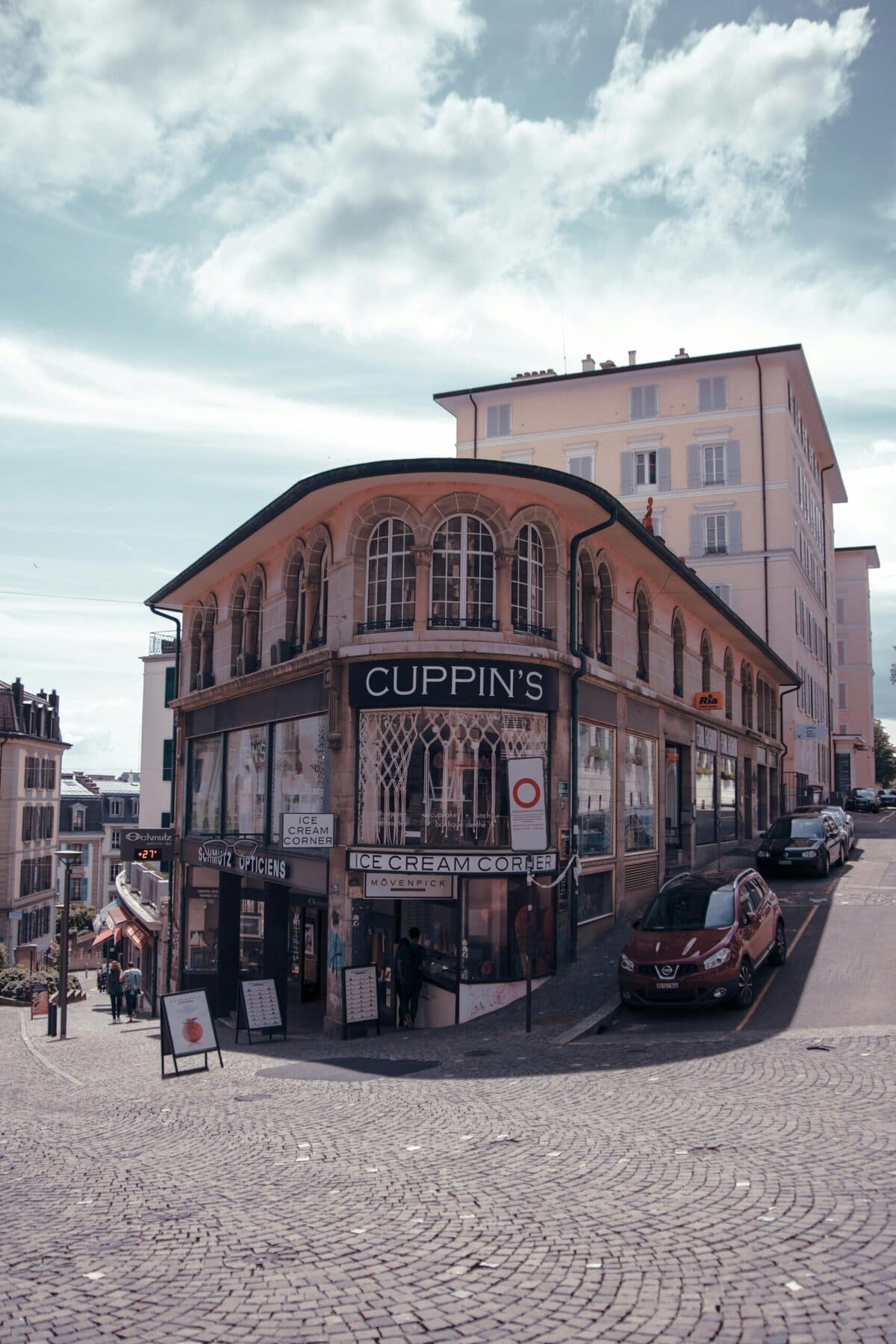
The old town’s steep streets and narrow passages create atmospheric exploration environment—16th-century buildings housing contemporary boutiques, cafés in medieval cellars, and unexpected viewpoints revealing lake vistas. Rue de Bourg, the main old town shopping street, combines chains with local retailers in historic architecture. The Escaliers du Marché (Market Stairs), covered wooden staircase from 1719, connects upper and lower town while providing sheltered passage and atmospheric setting.
Key old town landmarks include the Château Saint-Maire (1397, government building with courtyard accessible to public), Place de la Palud (historic square with animated clock and weekly markets), and Espace Arlaud (contemporary art space in repurposed 19th-century building). Allow 2-3 hours for thorough old town walking including cathedral visit and café breaks. The area operates as pedestrian zone with limited vehicle access—wear comfortable shoes for cobblestones and stairs.
Ouchy Lakeside District: Lausanne’s Mediterranean Side
Ouchy, Lausanne Switzerland’s lakeside district 500 meters below the old town, provides beach atmosphere with promenades, restaurants, hotels, and recreational facilities transforming the university city into Mediterranean-style resort during warm months. Understanding Ouchy’s character and attractions enables experiencing Lausanne’s dual personality—serious hillside city above, relaxed lakeside playground below.
Ouchy Promenade & Lakefront
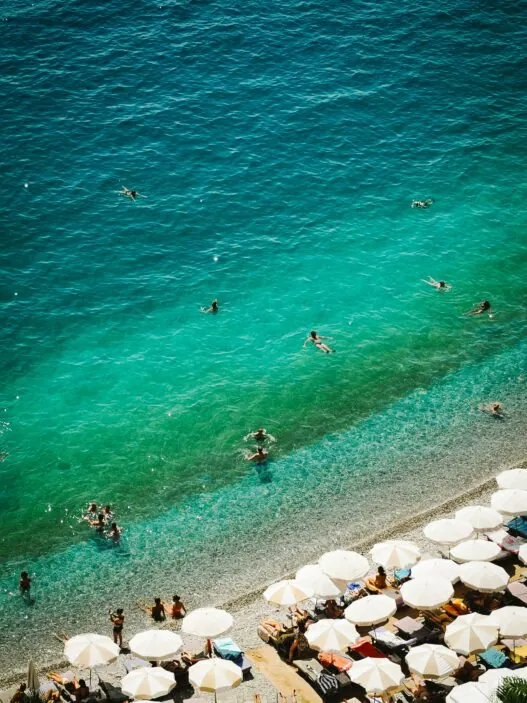
The Ouchy promenade stretches along Lake Geneva’s shore, lined with flower gardens, plane trees, and continuous lake views toward French Alps. The promenade provides car-free walking and cycling route from Vidy (west, sports facilities and Olympic Museum) through central Ouchy to Pully (east, residential lakeside suburb). Locals and tourists stroll here evenings, cafés serve drinks and meals with terrace seating, and the Mediterranean atmosphere peaks summer weekends when lakeside crowds rival any beach destination.
Key Ouchy landmarks include Château d’Ouchy (castle-turned-hotel with tower restaurant), Place de la Navigation (central square hosting events and markets), and the CGN boat terminal where historic paddle steamers and modern boats depart for Lake Geneva destinations. The iconic Ouchy tower, remnant of medieval fortifications, provides photo backdrop. Summer brings beach volleyball courts, outdoor fitness installations, and lakeside concerts creating vibrant public space.
Swimming & Water Activities
Ouchy’s public beaches and swimming areas (Bellerive, Vidy) provide Lake Geneva access May-September when water temperatures reach 20-23°C. Public beaches charge CHF 8-10 entry including changing facilities, though free lake access points exist along the shore. The CGN operates short “mouette” ferry services crossing the bay, enabling scenic transport between Ouchy and Vidy (CHF 3, or included in transport passes).
Stand-up paddleboarding, kayaking, pedal boats, and sailing rentals operate from multiple Ouchy locations (CHF 25-50 per hour depending on craft). Lake Geneva’s substantial size (582 km²) creates real sailing opportunities versus pond-like smaller Swiss lakes. However, afternoon winds and boat traffic require water sports competence—beginners should hire instruction or guided tours rather than solo rental.
Olympic Museum & Park
The Olympic Museum occupies prime Ouchy hillside location combining museum visit with spectacular lake views. The surrounding park provides free access to outdoor sculptures, Olympic-themed installations, and lakeside walking paths. The park operates as popular local recreation area—joggers, families, tourists, and lunch-breaking office workers share the space. The museum’s terrace restaurant enables non-museum-visitors to enjoy the setting with meal or drinks (CHF 25-45 per person, reservations advisable summer weekends).
Lavaux UNESCO Vineyards: Wine Tourism from Lausanne
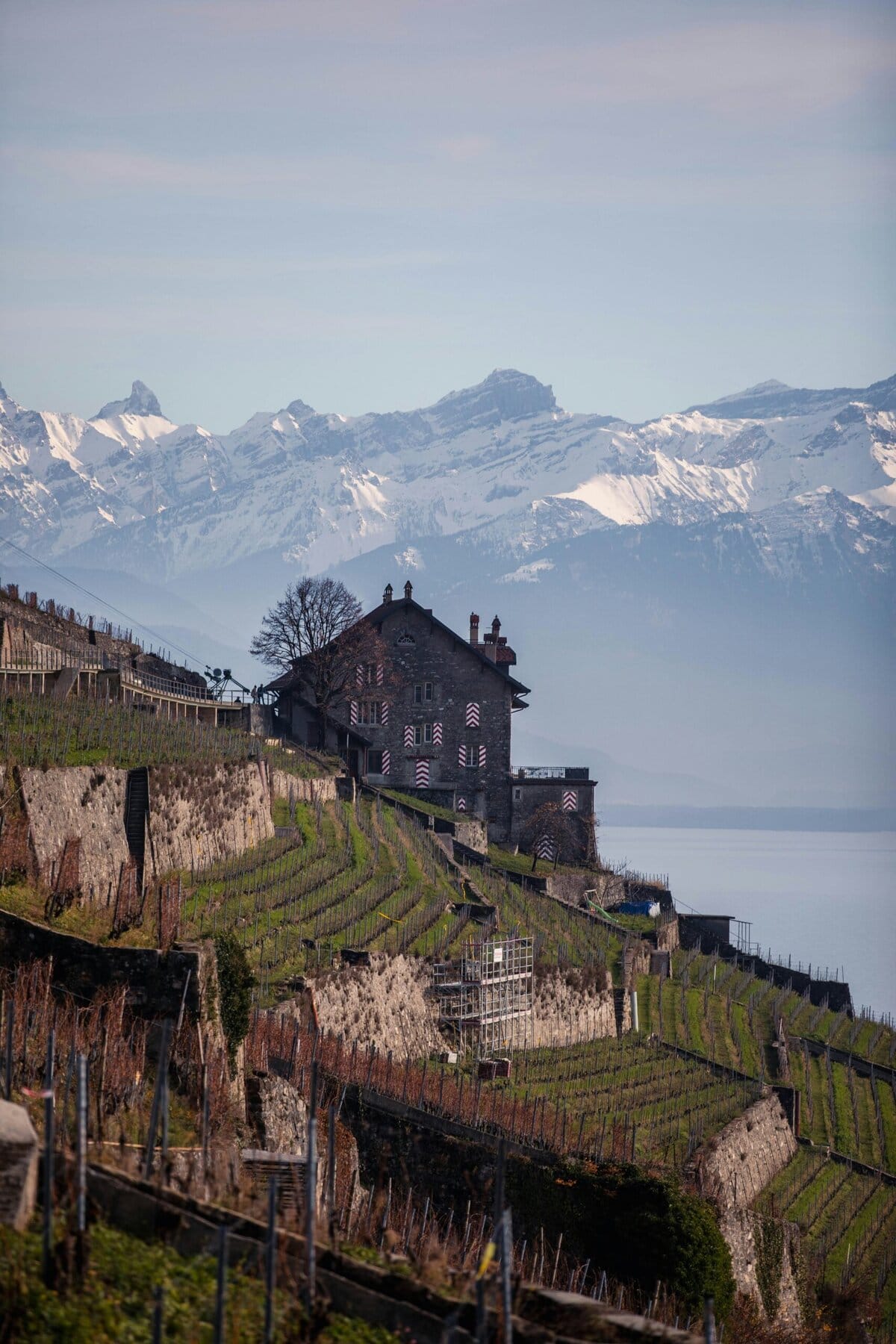
The Lavaux wine region, UNESCO World Heritage site since 2007, comprises 800 hectares of steep terraced vineyards descending to Lake Geneva’s shore between Lausanne Switzerland and Montreux. These vineyards, cultivated since the 11th century by Cistercian monks, create spectacular landscape of stone-walled terraces, traditional wine villages, and panoramic lake and Alpine views. Understanding Lavaux access and wine tourism enables memorable experiences combining scenery, excellent wines, and unique Swiss viticultural heritage.
Lavaux Landscape & Villages
Lavaux’s terraced vineyards cover hillsides above picturesque villages including Cully, Epesses, Riex, and St-Saphorin—each maintaining medieval character with stone buildings, narrow streets, and wine cellars (caves) offering tastings. The steep slopes face south, creating microclimate enabling Chasselas grape (Swiss white wine specialty) to thrive. The three-sun principle—direct sunshine, reflection from Lake Geneva, and heat retained by stone walls—provides ideal growing conditions creating distinctive minerality in Lavaux wines.
The landscape’s UNESCO recognition celebrates both natural beauty and human achievement—generations of vignerons (winemakers) built and maintained the intricate stone wall system preventing erosion while maximizing sun exposure. The result creates one of Europe’s most dramatic viticultural landscapes, combining productivity with aesthetic magnificence. Over 300 independent winemakers produce approximately 15 million liters annually, mostly Chasselas with smaller quantities of Pinot Noir, Gamay, and specialty varieties.
Visiting Lavaux from Lausanne
Multiple options enable Lavaux exploration from Lausanne Switzerland. Train service operates hourly to Lavaux villages (Cully 12 minutes, CHF 8 round-trip; Epesses and others require connections). Boat service (CGN) provides scenic lake access to Cully, St-Saphorin, and other villages with waterfront docks (45-90 minutes depending on destination, CHF 15-30). Bicycle rental enables self-guided vineyard exploration, though significant elevation and steep grades require fitness (e-bikes recommended, CHF 40-60 daily rental).
Guided wine tours provide structured Lavaux experiences including transport, winery visits, tastings, and meals. Half-day tours (CHF 120-180 per person) visit 2-3 wineries with tastings. Full-day tours (CHF 250-350) add lunch in vineyard restaurant, more comprehensive winery visits, and extended exploration. Tours eliminate navigation concerns, provide expert commentary, and enable wine consumption without driving concerns. Book through Lausanne Tourism or specialized wine tour operators.
Helicopter Lavaux Wine Tours
Helicopter charter enables ultimate Lavaux experience—aerial perspectives showcasing the full terraced landscape impossible to appreciate ground-level, combined with exclusive winery access and premium service. Typical helicopter wine tours (CHF 2,000-3,000 per flight, 4-5 passengers) include 30-minute scenic flight over the vineyards, landing at exclusive winery or vineyard location, private tastings with winemakers, and lunch in panoramic vineyard setting before return flight to Lausanne.
The aerial perspective reveals Lavaux’s extraordinary scale and geometry—thousands of small plots creating patchwork patterns, village clusters, and the dramatic sweep from lake level to 800-meter peaks. For wine enthusiasts combining appreciation of landscape, excellent wines, and luxury experiences, helicopter Lavaux tours provide unforgettable highlights. Book through specialized helicopter wine tour operators or luxury hotel concierges.
Lavaux Wine Characteristics
Chasselas, Lavaux’s signature grape, produces crisp, mineral white wines reflecting terroir characteristics—flinty minerality from rocky soils, slight salinity from proximity to lake, delicate floral notes, and fresh acidity. Unlike aromatic varieties (Riesling, Sauvignon Blanc), Chasselas emphasizes subtlety and food pairing versatility. Quality ranges widely—simple carafe wines (CHF 4-6 per deciliter in cave tastings) to premium single-vineyard expressions (CHF 30-80 per bottle). Pinot Noir provides reds, typically lighter-bodied than Burgundy but charming with local cuisine.
Best Hotels in Lausanne Switzerland
Lausanne Switzerland hotel scene divides between sophisticated city center properties, lakeside Ouchy resort hotels, and modern business accommodations near EPFL and business districts. Understanding hotel positioning and locations enables selecting accommodations matching specific preferences for Olympic business, university visits, wine tourism, or lakeside leisure.
Beau-Rivage Palace: Lausanne’s Grand Hotel
Beau-Rivage Palace represents Lausanne Switzerland’s premier luxury address—historic Belle Époque palace (1861) occupying 10-acre lakeside park in Ouchy. The 168-room property combines heritage architecture with comprehensive modern amenities including Michelin-starred restaurant (Anne-Sophie Pic), extensive Cinq Mondes spa, indoor and outdoor pools, private boat dock, and impeccable service maintaining grand hotel traditions. The lakeside location provides quiet despite central Ouchy position, with direct lake access and mountain views.
Rates range CHF 400-800 doubles (summer high season) to CHF 300-600 (winter). Lake-view rooms command CHF 150-250 premiums. Suites cost CHF 900-3,000+. The Beau-Rivage attracts establishment wealth—IOC officials during major meetings, business executives combining work with leisure, and sophisticated travelers seeking Switzerland’s finest lakeside hospitality. The property suits those prioritizing location, heritage, and comprehensive resort facilities willing to pay premium rates. Book direct through Beau-Rivage Palace.
Royal Savoy Hotel & Spa: Modern Luxury
Royal Savoy Hotel & Spa delivers contemporary five-star luxury in central Lausanne between old town and lakeside. The 196-room property (renovated 2015) emphasizes modern design, extensive spa facilities, multiple dining options, and professional business services. The city center location enables walking to old town, shopping, and stations while maintaining 15-minute walk to Ouchy lakeside. The property attracts business travelers, conference attendees, and those prioritizing modern amenities over heritage character.
Rates range CHF 300-600 doubles depending on season and views. The Royal Savoy provides reliable five-star standards without Beau-Rivage’s heritage premium or location directly on lake. Solid choice for business travelers requiring city center convenience, conference proximity, or those who prefer contemporary design versus Belle Époque tradition.
Lausanne Palace: City Center Grand Hotel
Lausanne Palace occupies prime position near the train station and city center, combining Belle Époque architecture (1915) with modern facilities. The 145-room property features Japanese-French fusion restaurant (CHF 80-150 per person), business center, and central location enabling easy access throughout the city. The property attracts business travelers, those making brief Lausanne stops, and visitors prioritizing accessibility over lakeside setting.
Rates range CHF 250-500 doubles. The central location proves advantageous for train-based travel, though distance from lake (15-minute walk or metro ride) creates different atmosphere from Ouchy lakeside hotels. The Palace suits pragmatic travelers requiring efficiency and city center convenience over resort ambiance or direct lake access.
Starling Hotel Lausanne: Business Focus
Starling Hotel delivers four-star business hotel comfort near EPFL campus and convention center at accessible pricing. The 170-room modern property emphasizes functionality, meeting facilities, good transport links, and practical amenities over luxury or design. Rates range CHF 150-300 doubles, representing significant savings versus five-star lakeside properties. Starling suits business travelers engaging with EPFL, conference attendees, and budget-conscious visitors prioritizing value and convenience over luxury and ambiance.
French-Swiss Dining & Restaurants in Lausanne Switzerland
Lausanne Switzerland dining culture reflects French gastronomic traditions with Swiss quality standards and local specialties from Canton Vaud. The concentration of Michelin-starred restaurants, excellent mid-range bistros, and authentic Swiss eateries creates sophisticated culinary scene rivaling Geneva while maintaining slightly more relaxed atmosphere.
Michelin-Starred Restaurants
Anne-Sophie Pic (Beau-Rivage Palace) holds two Michelin stars—Lausanne’s only two-star establishment and Swiss outpost of renowned French chef Anne-Sophie Pic’s culinary empire. The restaurant emphasizes aromatic cuisine with distinctive spice and herb combinations, technical precision, and artistic presentation. Tasting menus CHF 295-395, wine pairings CHF 180-250 additional. The lakeside setting, impeccable service, and culinary excellence create memorable dining experience justifying premium pricing. Reservations essential weeks ahead. Dress: business formal or elegant evening wear.
Pont de Brent (Brent, 7km from Lausanne) holds one Michelin star, serving creative French cuisine in intimate village setting. Chef Stéphane Décotterd emphasizes seasonal ingredients, technical mastery, and innovative flavor combinations. Tasting menu CHF 195, lunch menu CHF 95. Worth the short journey for serious food enthusiasts. Reservations required.
Additional notable restaurants include La Table d’Edgard (Royal Savoy) and various one-star establishments in surrounding Lake Geneva region accessible for special dining excursions.
Traditional Vaudois Cuisine
Café du Grütli delivers authentic Vaudois specialties in atmospheric old town setting. Signature dishes include papet vaudois (leeks and potatoes with sausage), malakoffs (fried cheese fritters), and fondue variations using local Gruyère. Prices CHF 35-60 per person. Café Romand provides another excellent traditional option emphasizing hearty Swiss-French preparations, charcuterie, and local wines. CHF 30-55 per person.
Vaudois cuisine emphasizes cheese (Gruyère AOP produced locally), lake fish (perch, char), game (autumn specialties), and hearty vegetable-based dishes reflecting agricultural heritage. Local wines from Lavaux and other Vaud regions appear on all restaurant lists—asking sommeliers for recommendations enables discovering excellent local producers unknown beyond the region.
Lakeside Dining & Casual Options
Ouchy concentrates numerous lakeside restaurants ranging from casual to refined. La Voile d’Or specializes in lake fish with terrace overlooking water. Café de Grancy provides lively brasserie atmosphere with Mediterranean influences. Holy Cow! delivers excellent burgers in multiple Lausanne locations (CHF 18-25). The old town and Flon district (transformed industrial zone now hosting restaurants, bars, and cultural venues) offer extensive dining variety from pizza to sushi to fusion cuisine.
EPFL Tech Hub & Innovation District
École Polytechnique Fédérale de Lausanne (EPFL) operates as Switzerland’s primary French-language technical university and European innovation hub. The campus, located on Ouchy’s western edge, combines 14,000 students, world-class research facilities, and innovation park hosting 200+ startups and tech companies. Understanding EPFL proves relevant for business visitors engaging with Swiss tech sector, students considering education options, and those interested in Switzerland’s innovation ecosystem.
EPFL Campus & Architecture
EPFL’s lakeside campus showcases contemporary architecture including the famous Rolex Learning Center—flowing white wave-like building designed by Japanese architects SANAA. The learning center operates as library, study space, and public area with café and exhibitions (free access to ground floor public areas). The building’s innovative design earned architectural awards and created iconic landmark representing EPFL’s forward-looking character. The campus enables public walking, photography, and appreciation of innovative architecture even for non-university visitors.
Swiss Tech Ecosystem
EPFL anchors Swiss-French technology ecosystem combining university research, startup incubation, venture capital, and established tech companies. The innovation park hosts robotics firms, life sciences companies, cleantech startups, and computer science ventures spinning out from university research. This concentration creates Switzerland’s closest equivalent to California’s Silicon Valley culture, though maintaining Swiss characteristics—less hype, more substance, longer-term perspective versus quarterly pressure.
Business visitors engaging with EPFL ecosystem benefit from the innovation park’s meeting facilities, nearby hotels (Starling, others), and Lausanne’s comprehensive business infrastructure. The university’s English-language programs and international research collaborations create multilingual environment facilitating global business interactions.
Day Trips from Lausanne Switzerland
Lausanne Switzerland’s central Lake Geneva position enables extensive day trip possibilities combining Swiss and French destinations, lakeside towns, mountain excursions, and wine region exploration. Understanding options enables maximizing limited vacation time while experiencing regional diversity.
Montreux & Château de Chillon
Montreux, 30 minutes east by train (CHF 20 round-trip) or 45 minutes by lake boat (CHF 24 round-trip), provides glamorous resort town atmosphere with famous jazz festival (July), lakeside promenades lined with flowers, and mountain backdrop. The Château de Chillon, Switzerland’s most-visited castle, sits on rocky island just beyond Montreux—medieval fortress with 1,000 years history, atmospheric dungeons, and spectacular setting. Combined Montreux-Chillon visit creates full-day excursion mixing resort leisure with cultural exploration.
Geneva: International City
Geneva, 40 minutes west by train (CHF 30 round-trip), enables day trips for UN tours, luxury shopping, museums, and experiencing Switzerland’s international diplomatic capital. The frequent train service and short journey make Geneva practical for targeted activities—business meetings, specific museum visits, or shopping—versus attempting comprehensive Geneva exploration. For those basing in Lausanne, Geneva day trips provide international city access without Geneva’s hotel costs or formal atmosphere. For comprehensive Geneva coverage, see our detailed Geneva Switzerland complete guide.
Gruyères: Cheese & Medieval Village
Gruyères, 90 minutes northeast (train to Bulle, then bus or tourist train), combines medieval hilltop village, famous cheese production, and Gruyère AOP cheese factory visits. The Maison du Gruyère enables observing cheese-making, tasting various ages of Gruyère, and understanding traditional production. The medieval village includes 13th-century castle, H.R. Giger Museum (Alien movie designer’s work), and atmospheric restaurants. Full-day excursion combining culture, gastronomy, and Swiss countryside.
Chamonix-Mont Blanc: French Alps
Chamonix, France’s premier Alpine resort, sits 90 minutes from Lausanne Switzerland by car (via Geneva) or accessible via helicopter (25 minutes, CHF 5,000-8,000 round-trip). The day trip enables experiencing Mont Blanc massif, Aiguille du Midi cable car, Alpine atmosphere, and French mountain culture. Practical for serious mountain enthusiasts or those specifically interested in Mont Blanc, less practical for casual sightseers given the journey investment. Helicopter makes Chamonix day trips more viable for luxury travelers prioritizing time efficiency.
Zermatt & Matterhorn
Zermatt, 2.5 hours east by train via Visp, enables ambitious day trips for Matterhorn viewing and experiencing Switzerland’s most dramatic Alpine setting. The journey investment (5 hours round-trip train) suits those specifically motivated by Matterhorn interest or combining with overnight stay. Helicopter charter (45 minutes each way, CHF 10,000-15,000 round-trip) makes Zermatt day trips practical for luxury travelers. For comprehensive Zermatt coverage, see our detailed Zermatt Switzerland complete guide.
Costs & Budgeting for Lausanne Switzerland
Lausanne Switzerland operates at Swiss price levels but costs generally run 10-20% below Geneva due to less extreme luxury market and university population creating price-conscious dining options. Understanding realistic budget requirements enables appropriate trip planning.
Accommodation Costs
Five-star lakeside (Beau-Rivage Palace): CHF 400-800 per night doubles (summer), CHF 300-600 (winter). Five-star city center (Royal Savoy): CHF 300-600 doubles. Four-star properties: CHF 150-350 doubles. Budget hotels and pensions: CHF 80-150 doubles. Weekly accommodation (6 nights couple): CHF 2,400-4,800 five-star, CHF 900-2,100 four-star, CHF 480-900 budget. Peak season (July-August) commands 20-30% premiums, winter (November-March except holidays) offers best value.
Dining Costs
Restaurant lunch: CHF 18-45 per person depending on establishment. Dinner mid-range: CHF 35-75 per person. Michelin/fine dining: CHF 100-250 per person with wine. University district offers cheaper options: CHF 12-20 lunch menus. Supermarket self-catering: CHF 25-40 daily for two people. Weekly meal costs: CHF 350-600 per person for restaurant dining, CHF 150-250 additional for drinks, coffee, snacks.
Transport & Activities
Train Geneva-Lausanne: CHF 60-80 round-trip couple first class. Lausanne public transport day pass: CHF 10. Olympic Museum: CHF 18 adults. Lavaux wine tour half-day: CHF 120-180. Lake boat day pass: CHF 35-45. Helicopter Lavaux wine tour: CHF 2,000-3,000 (aircraft, 4-5 passengers). Bicycle rental: CHF 25-35 daily (e-bike CHF 40-60).
Total Lausanne Week Budget Examples
Moderate Comfort (Four-Star, Train, Public Activities)
– Train Geneva-Lausanne: CHF 80 (2 people)
– Four-star hotel (6 nights): CHF 1,500
– Meals (mix restaurants/self-catering): CHF 1,200
– Transport/activities: CHF 400
Total: CHF 3,180 (~USD 3,600) couple
Luxury Experience (Five-Star, Helicopter, Fine Dining)
– Helicopter Geneva-Lausanne: CHF 6,000
– Beau-Rivage Palace (6 nights): CHF 4,800
– Fine dining incl. Michelin: CHF 2,400
– Helicopter Lavaux wine tour: CHF 2,500
– Activities: CHF 500
Total: CHF 16,200 (~USD 18,200) couple
Stefan Scheepmaker
Frequently Asked Questions: Lausanne Switzerland
Why is Lausanne called the Olympic Capital?
Lausanne Switzerland became Olympic capital in 1915 when Baron Pierre de Coubertin relocated the International Olympic Committee headquarters here, seeking neutral, stable location during World War I. Over a century later, the IOC remains headquartered in Lausanne, joined by 40+ international sports federations, Court of Arbitration for Sport, and Olympic Museum. This concentration of sports governance creates unique global position—no other city hosts comparable sports administrative authority. The designation remains official, widely recognized, and central to Lausanne’s international identity.
Is Lausanne Switzerland worth visiting?
Lausanne Switzerland merits visiting for specific interests rather than as Switzerland’s primary destination. The city excels for: Olympic heritage and sports business, Lavaux wine region access, sophisticated French-Swiss culture without Geneva formality, university atmosphere creating vibrancy, and Lake Geneva central position enabling regional exploration. Lausanne appeals less to: those seeking traditional Swiss Alpine culture (better in mountain resorts), serious winter sports (no skiing), or Switzerland’s most famous landmarks (Matterhorn, Jungfrau elsewhere). Assess whether Lausanne’s specific strengths—Olympic capital, wine region, lakeside sophistication—align with your interests.
What language do they speak in Lausanne Switzerland?
Lausanne Switzerland’s official language is French, spoken by approximately 75% of residents as their primary language. The remaining 25% includes German (second most common), English, Italian, Portuguese, and other languages reflecting the international population (Olympic organizations, university, multinational residents). Business travelers and tourists can generally operate in English—hotels, restaurants serving tourists, university settings, and Olympic organizations all accommodate English speakers. However, learning basic French courtesies (bonjour, merci, s’il vous plaît) demonstrates respect and improves interactions with locals.
How far is Lausanne from Geneva?
Lausanne Switzerland sits 60 kilometers (37 miles) northeast of Geneva along Lake Geneva’s northern shore. Travel times: train 35-50 minutes (CHF 30-40 round-trip), car 40-50 minutes via A1 motorway, helicopter 15 minutes (CHF 3,000-5,000 per flight). The short distance and frequent train service (4-6 trains hourly) make Geneva Airport practical for Lausanne arrivals, day trips between cities easy, and combining both destinations within single trip feasible. Many visitors use Geneva Airport for international access while basing in Lausanne for lower hotel costs and different atmosphere.
Can you swim in Lake Geneva at Lausanne?
Yes. Lake Geneva provides excellent swimming at Lausanne Switzerland’s public beaches (Bellerive, Vidy) from May through September when water temperatures reach 20-23°C. Public swimming areas charge CHF 8-10 entry including facilities, though free access points exist along the shore. The water quality meets strict Swiss standards with regular testing—clean and safe for swimming. However, Lake Geneva’s substantial size creates real waves and currents unlike small pond-like lakes—swimmers should respect conditions and stay within marked areas. The swimming culture forms central part of Lausanne summer lifestyle.
What is Lavaux and how do I visit from Lausanne?
Lavaux comprises 800 hectares of UNESCO World Heritage terraced vineyards stretching along Lake Geneva’s shore between Lausanne Switzerland and Montreux. The steep south-facing slopes produce excellent Chasselas wines in spectacular landscape of stone-walled terraces, traditional villages, and panoramic views. Visit options: train to villages like Cully (12 minutes, CHF 8), lake boat to vineyard towns (45-90 minutes, CHF 15-30), bicycle rental for self-guided exploration (e-bikes recommended, CHF 40-60 daily), guided wine tours (CHF 120-350 depending on scope), or helicopter wine tours for ultimate luxury experience (CHF 2,000-3,000). Plan half-day minimum, full day preferable for thorough Lavaux exploration.
Is Lausanne better than Geneva?
Lausanne Switzerland and Geneva serve different purposes rather than one being objectively “better.” Choose Lausanne for: Olympic heritage, university atmosphere, Lavaux wine region access, more relaxed lakeside lifestyle, lower costs (15-20% below Geneva), and French-Swiss culture without diplomatic formality. Choose Geneva for: international organizations (UN, WHO, WTO), private banking concentration, luxury shopping, direct international airport, and business hub functions. Geneva operates as Switzerland’s international window; Lausanne as Olympic capital and university city. Many visitors experience both given easy 40-minute train connection. For comprehensive Geneva comparison, see our detailed Geneva Switzerland complete guide.
What is EPFL and why does it matter?
EPFL (École Polytechnique Fédérale de Lausanne) operates as Switzerland’s primary French-language technical university and European innovation hub specializing in engineering, technology, and natural sciences. The institution ranks among Europe’s top technical universities, hosts 14,000 students from 125+ countries, operates 200+ research laboratories, and anchors innovation ecosystem including startup incubator and tech company campus. EPFL matters for: students considering Swiss technical education, researchers collaborating with European institutions, business engaging with Swiss tech sector, and understanding Switzerland’s innovation capacity beyond financial services. The iconic Rolex Learning Center building provides architectural landmark worth visiting regardless of university connection.
Can you do Lausanne as a day trip from Zurich?
Technically yes but impractical. Zurich-Lausanne requires 2h 15min by train each direction—4.5 hours total transit leaves minimal time for actual Lausanne exploration. The journey investment makes sense only for specific purposes (business meetings, targeted activities) versus attempting comprehensive Lausanne experience. Better approach: either extend Zurich trip to include Lausanne overnight, or base in Lausanne for Lake Geneva region exploration with Zurich day trip if needed. The two cities serve complementary functions—Zurich for German Switzerland and business, Lausanne for French Switzerland and Olympic capital—meriting separate visits rather than rushed day trip compromises.
Conclusion: Experiencing Switzerland’s Olympic Capital
Lausanne Switzerland rewards travelers who appreciate its unique combination—Olympic heritage, sophisticated French-Swiss culture, Lavaux wine region access, university vibrancy, and Lake Geneva setting without Geneva’s formality or price premiums. Success requires approaching Lausanne on its own terms rather than expecting Geneva-lite or Zurich-in-French. Those who invest effort understanding Lausanne’s specific character—sports capital meeting wine country, serious city above with Mediterranean lakeside below—discover distinctive Swiss experiences impossible to replicate elsewhere.
The combination of Olympic business infrastructure, EPFL innovation ecosystem, Lavaux wine tourism, and lakeside leisure creates niche appeal to specific travelers: sports industry professionals, wine enthusiasts, university visitors, and sophisticated travelers seeking Lake Geneva alternatives to Geneva. Lausanne delivers these specific benefits exceptionally well while offering less appeal to those seeking Alpine skiing, traditional Swiss mountain culture, or Switzerland’s most iconic landmarks located elsewhere.
Book accommodations considering seasonal patterns and purposes—summer (July-August) sees peak tourism and Olympic-related traffic, spring and fall offer ideal wine country weather at lower costs, while winter provides cheapest rates but limited outdoor appeal. Research Lavaux wine tour options early, particularly for helicopter experiences requiring advance coordination. Embrace the French-Swiss pace—lengthy meals, café culture, and university town vibrancy—rather than rushing through efficiency expectations. Above all, appreciate Lausanne Switzerland as Olympic capital where sports governance meets wine country elegance in unique Lake Geneva setting. Bienvenue à Lausanne—welcome to the Olympic Capital.
Related Guides: