



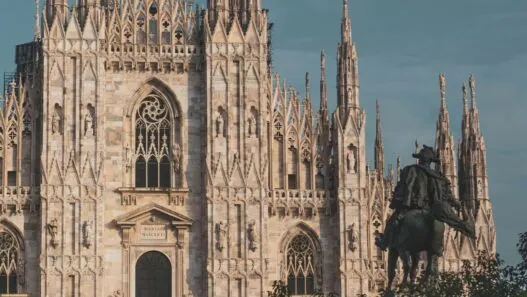
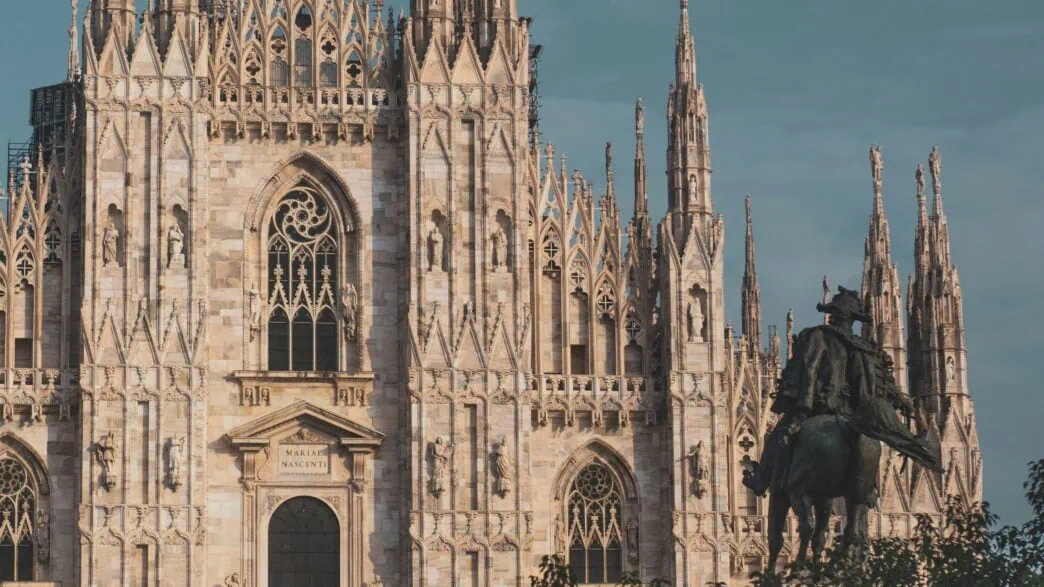
Milan Italy operates as the country’s economic powerhouse and global fashion capital, combining Renaissance cultural heritage with cutting-edge contemporary design, finance, and industry. This sophisticated metropolis of 1.4 million (3.2 million metro area) generates 10% of Italy’s GDP while hosting twice-annual Fashion Week attracting international buyers, designers, and luxury brands from worldwide. The iconic Duomo cathedral anchors the historic center, while modern skyscrapers in Porta Nuova business district showcase Italy’s contemporary ambitions. Leonardo da Vinci’s Last Supper, La Scala opera house, and world-class museums provide cultural depth rivaling Rome or Florence, yet Milan maintains distinctly business-focused character versus pure tourism destinations.
For luxury fashion buyers and industry professionals attending Milan Fashion Week, business executives conducting meetings at Italian corporate headquarters, design enthusiasts exploring furniture showrooms and architecture, ultra-wealthy travelers seeking Italian sophistication combined with Swiss proximity (Lugano 80km, Lake Como 50km), and those requiring northern Italy’s transport hub accessing Venice, Turin, or Swiss cities, Milan Italy delivers exceptional experiences impossible to replicate in other Italian cities. The city attracts substantial international business population, hosts major trade fairs and conferences, and operates three airports (Malpensa, Linate, Bergamo) enabling comprehensive European and intercontinental connectivity.
This comprehensive guide provides essential intelligence for planning Milan Italy visits in 2026, covering arrival via three airports, navigating the metro system, Fashion Week logistics, Duomo and cultural attractions, Quadrilatero della Moda luxury shopping, business district infrastructure, aperitivo culture and Milanese dining, day trips to Lake Como and Italian lakes, helicopter access to Switzerland, costs and budgeting, and practical tips for experiencing Italy’s most dynamic city. Whether visiting for fashion business, corporate meetings, or discovering northern Italy’s sophisticated urban center, this guide delivers actionable information for successful Milan experiences.
For official Milan information and events, visit YesMilano tourism. Fashion Week details appear on Milano Moda Donna/Uomo official sites.
Milan Italy at a Glance
- Population: 1.4M (city), 3.2M (metro area)
- Region: Lombardy, Northern Italy
- Languages: Italian (official), English in business
- Economy: 10% of Italian GDP, finance & fashion hub
- Airports: Malpensa (MXP), Linate (LIN), Bergamo (BGY)
- Fashion Weeks: February & September annually
- Distance Lake Como: 50km / 45min train
- Distance Lugano: 80km / 90min drive or train
- Distance Venice: 280km / 2h30 train
- Metro: 5 lines (M1-M5), efficient system
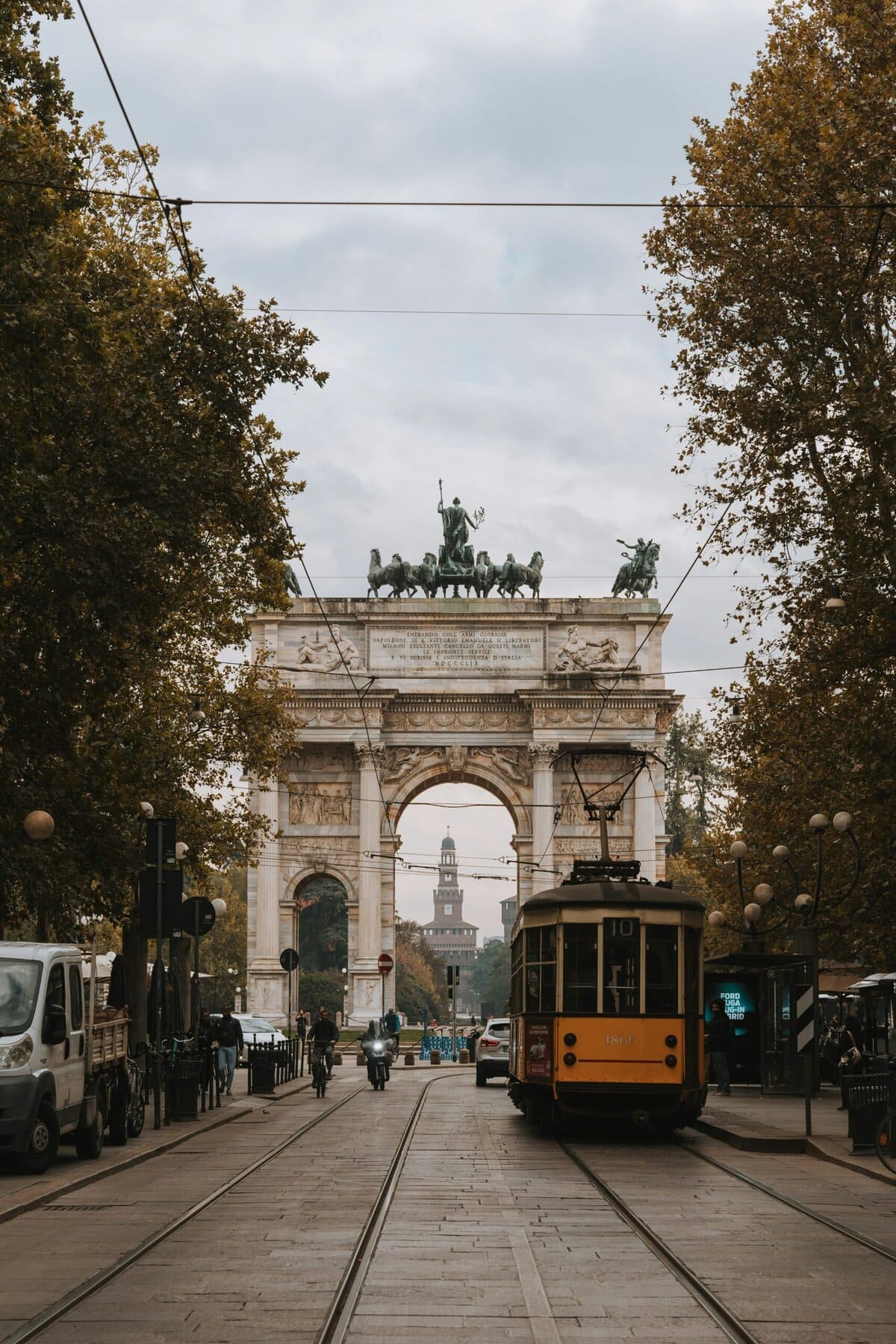
Table of Contents
- Milan Italy Overview
- Getting to Milan: 3 Airports Guide
- Fashion Capital: Milan Fashion Week
- Duomo Cathedral & Historic Center
- Luxury Shopping: Quadrilatero della Moda
- Business District & Corporate Milan
- Museums & Cultural Attractions
- Best Hotels in Milan
- Milanese Dining & Aperitivo Culture
- Lake Como & Italian Lakes Access
- Swiss Connections: Lugano & Helicopter Routes
- Costs & Budgeting
- Frequently Asked Questions
Milan Italy Overview: Economic Powerhouse & Fashion Capital
Milan Italy evolved from Roman Mediolanum through medieval city-state to Renaissance duchy, with modern transformation accelerating post-WWII reconstruction creating Italy’s economic miracle. Today Milan generates more GDP than many European countries, hosts Italian Stock Exchange, and operates as headquarters for fashion houses (Armani, Prada, Versace, Dolce & Gabbana), industrial giants (Pirelli, Campari), and finance sector concentration. This economic power creates character fundamentally different from Rome’s political capital status or Florence’s Renaissance museum atmosphere—Milan works, makes money, and moves faster than other Italian cities.
Why Milan Differs from Rome & Florence
Milan Italy operates with northern European efficiency unusual in Italy—punctual metro, business-focused culture, international outlook, and less tourist-dependent economy versus Rome or Venice. The Milanese pride themselves on productive efficiency, fashion-forward thinking, and sophisticated cosmopolitanism contrasting with Roman grandeur or Florentine Renaissance nostalgia. The dialect (Milanese, distinct from standard Italian) and regional identity create strong local character despite international population.
The climate differs significantly—Milan experiences cold, foggy winters (0-5°C) and hot, humid summers (25-35°C) versus Rome’s Mediterranean mildness. The landscape lacks Tuscany’s rolling hills or Amalfi’s dramatic coastline—flat Lombardy plain creates practical geography for industry and commerce rather than tourism scenery. However, Milan’s proximity to Alps (visible on clear days) and Italian lakes (Como, Maggiore, Garda within 50-100km) provides weekend escape options impossible from southern Italian cities.
Milanese Character & International Population
Milan Italy attracts Italy’s most international population—northern European executives, Asian luxury brand managers, American finance professionals, and immigrants from worldwide creating multilingual environment rare in Italy. English functions as business language, though Italian remains essential for daily life beyond tourist zones and corporate offices. The Milanese reputation for coldness versus southern Italian warmth reflects northern European business culture meeting Italian style—efficient but with flair, serious but appreciating beauty.
The work-focused character means Milan operates differently from leisure-oriented Italian cities—restaurants open earlier for business lunches, aperitivo culture enables networking, Sunday closing becomes less universal, and efficiency takes priority over dolce vita indulgence. However, fashion consciousness, design appreciation, culinary excellence, and Italian style persist—Milanese dress impeccably, maintain strong opinions on aesthetics, and demand quality in everything from coffee to furniture.

Getting to Milan Italy: Three Airports & Transport Hub
Milan Italy operates three airports serving different purposes—Malpensa for intercontinental flights, Linate for domestic and European business travel, and Bergamo (Orio al Serio) for budget carriers. Understanding each airport’s position, connections to city center, and appropriate uses enables selecting optimal arrival points for specific origins and priorities.
Milan Malpensa Airport (MXP): Intercontinental Hub
Malpensa, located 50km northwest of Milan Italy, operates as the region’s primary intercontinental gateway handling 29+ million passengers annually. Terminal 1 serves full-service carriers including Emirates, Qatar Airways, Delta, Air Canada, Turkish, plus European airlines. Terminal 2 focuses on easyJet and low-cost operations. The airport provides comprehensive facilities including multiple FBOs for private aviation, extensive shopping, lounges, and business services.
Malpensa to Milan City Center: The Malpensa Express train operates to Milano Centrale station (50 minutes, €13) and Cadorna station (40 minutes, €13) with 30-minute frequencies. Buses to Centrale station run every 20 minutes (50-70 minutes depending on traffic, €10). Taxis cost €90-110 fixed rate (45-70 minutes depending on traffic and destination). Helicopter charter to Milan city center requires 15 minutes (€2,500-4,000 per flight, 4-6 passengers). For comprehensive private jet information, explore our detailed private jet charter guide.
Malpensa suits intercontinental arrivals, international business aviation, and access to Lake Como (closer to Malpensa than other Milan airports). However, the 50km distance creates significant journey to city center—budget 60-90 minutes minimum including potential traffic delays. Business travelers with tight schedules sometimes prefer Linate despite limited intercontinental options.
Milan Linate Airport (LIN): City Airport
Linate sits just 7km east of Milan Italy city center, providing convenient access primarily for domestic and European flights. The airport handles 10+ million passengers with emphasis on business travel—frequent shuttles to Rome, European capitals, and business destinations. Limited long-haul service (primarily Middle East via connecting hubs) means intercontinental travelers typically use Malpensa despite Linate’s superior location.
Linate to City Center: Bus 73 connects to San Babila metro station (25 minutes, €2 standard ticket). Airport buses run to Centrale station (30 minutes, €6). Taxis cost €25-35 (20-30 minutes to city center). The proximity makes Linate optimal for European business travel—quick city access enables morning meetings after early flights or evening departures after full business days. However, limited aircraft gates restrict long-haul wide-body operations.
Bergamo Orio al Serio Airport (BGY): Budget Carrier Hub
Bergamo Airport, 45km northeast of Milan Italy (technically serving Bergamo city), operates as Ryanair’s largest base and general budget carrier hub. The airport handles 14+ million passengers with extensive European connections at lowest fares. However, the “Milan Bergamo” marketing creates confusion—Bergamo sits 45km from Milan requiring bus transfers limiting this option primarily to budget-conscious leisure travelers.
Bergamo to Milan: Dedicated buses operate to Milano Centrale station (60 minutes, €10) and other Milan locations every 20-30 minutes. The journey creates inconvenience versus Linate but enables significant airfare savings on European routes—compare total door-to-door cost and time including ground transport when evaluating options.
Train Connections: European & Italian Network
Milano Centrale station operates as northern Italy’s primary rail hub with high-speed connections throughout Italy and to neighboring countries. Rome-Milan Freccia trains require 3 hours (€80-120 one-way depending on class and advance purchase). Venice-Milan: 2h 30min (€45-80). Florence-Milan: 1h 40min (€35-70). International trains connect to Zurich (4h 15min), Paris (7 hours), Munich (8 hours), and beyond.
The high-speed rail network provides viable alternatives to flying for many European destinations. Milan-Paris by train (7 hours) competes reasonably with flying when accounting for airport transit times, security, and comfort. For comprehensive Swiss connections, see our detailed Zurich Switzerland complete guide.
Within Milan: Metro & Public Transport
Milan Italy operates comprehensive metro system (M1 red, M2 green, M3 yellow, M4 blue, M5 purple lines) covering city center and suburbs efficiently. Single tickets cost €2 (90 minutes validity including transfers), day passes €7, 10-ride carnet €19. The metro proves faster and more reliable than taxis for most city journeys given surface traffic. Trams and buses supplement metro where lines don’t reach. Milan public transport operates Italian standards (reasonably punctual, occasional strikes, functional) rather than Swiss precision but works effectively for navigating the city. Check routes at ATM Milano.

Fashion Capital: Milan Fashion Week & Luxury Industry
Milan Italy claims unchallenged position as global fashion capital through twice-annual Fashion Week (February womenswear fall/winter, September womenswear spring/summer), concentration of luxury brand headquarters, and centuries-old tailoring traditions meeting contemporary design innovation. Understanding Milan’s fashion ecosystem proves essential for industry professionals and fashion enthusiasts visiting during Fashion Week or exploring the city’s style culture.
Milan Fashion Week: The Global Runway
Milano Moda Donna (Milan Fashion Week Women) operates February and September, with Milano Moda Uomo (Men) in January and June. The women’s weeks attract 300,000+ visitors including 6,000+ buyers, 1,500+ journalists, fashion editors from Vogue to Elle, celebrities, influencers, and industry professionals worldwide. Major Italian houses (Prada, Gucci, Versace, Dolce & Gabbana, Armani, Fendi, Bottega Veneta) present collections at various locations throughout the city including purpose-built venues, historic palazzos, and industrial spaces transformed for runway shows.
Fashion Week operates on strict hierarchy—invite-only runway shows for buyers and press, exclusive after-parties for industry insiders, street style photography creating social media content, and public exhibitions enabling general fashion enthusiast access. Obtaining runway show invitations requires industry credentials, brand relationships, or specialized access services (expensive). However, public can experience Fashion Week atmosphere through scheduled public events, exhibitions, showroom open-houses, and the vibrant street scene around show venues.
Fashion Week creates extraordinary demand on Milan Italy infrastructure—hotels book 6-12 months ahead at 200-400% normal rates, restaurants require reservations weeks prior, and the entire city operates on fashion schedule. Streets around Porta Nuova, Quadrilatero, and show venues become catwalks themselves as attendees display cutting-edge style. The economic impact runs hundreds of millions euros as buyers place orders, brands showcase collections, and global attention focuses on Milan for one week twice annually.
Fashion District: Quadrilatero della Moda
The Quadrilatero della Moda (Fashion Quadrilateral) comprises four streets—Via Montenapoleone, Via della Spiga, Via Sant’Andrea, and Via Manzoni—creating Milan Italy’s luxury shopping epicenter. The district concentrates flagship stores of Italian luxury (Prada, Gucci, Versace, Ferragamo, Fendi) alongside international brands (Chanel, Hermès, Louis Vuitton, Dior), jewelry houses (Bulgari, Cartier), and specialized boutiques inaccessible outside major fashion capitals.
Via Montenapoleone particularly showcases extreme luxury—window displays featuring €10,000 handbags, €50,000 watches, €100,000 jewelry as routine merchandise. The street attracts international wealthy shoppers including Russians, Arabs, Chinese, and Americans seeking Italian luxury goods in original context. Sales associates speak multiple languages, accept international payment methods, and coordinate VAT refunds for non-EU visitors (22% Italian VAT refundable with proper documentation—significant savings on luxury purchases).
Shopping the Quadrilatero requires appropriate presentation—Milanese judge on appearance, and luxury boutiques maintain subtle but real dress codes. Wearing quality basics (dark jeans, fitted jacket, quality shoes) ensures respectful treatment versus casual tourist attire sometimes creating dismissive service. The area operates more as fashion showcase than mere shopping—even window-shopping provides education in current trends, pricing, and luxury brand positioning.
Italian Fashion Houses & Heritage
Milan Italy hosts headquarters of major Italian fashion empires. **Armani**, founded 1975, maintains multiple brands (Giorgio Armani, Emporio Armani, Armani Exchange) from Milan headquarters including Armani Teatro for private shows. **Prada**, family-run since 1913, operates from historic Milan headquarters while maintaining extensive showroom and office presence. **Versace**, founded 1978, reflects Milanese fashion history with baroque luxury aesthetics. **Dolce & Gabbana** celebrates Sicilian heritage through Milanese sophistication.
These houses employ thousands in Milan from design teams to pattern makers to sales professionals, creating extensive fashion ecosystem. Skilled artisans producing luxury goods, fabric suppliers, specialized manufacturers, and business services all concentrate in Milan and surrounding Lombardy region. The fashion industry generates estimated €70+ billion annually in Italy with significant portion flowing through Milan’s design studios, showrooms, and corporate offices.

Duomo Cathedral & Historic Center Milan
Milan Italy’s historic center anchors around the spectacular Duomo cathedral—Gothic masterpiece requiring 600 years construction and featuring 3,400+ statues adorning the elaborate facade and rooftop. The Duomo and surrounding Piazza del Duomo operate as Milan’s geographic and symbolic center despite the city’s modern business focus. Understanding the historic core provides cultural context for contemporary Milan’s fashion and finance character.
Duomo di Milano: Gothic Masterpiece
The Duomo di Milano, begun 1386 and completed 1965 (finishing touches), represents one of the world’s largest Gothic cathedrals with capacity for 40,000 people. The white and pink Candoglia marble facade features intricate spires, statues, and decoration creating extraordinarily detailed exterior. The interior showcases Gothic architecture with soaring columns, stained glass windows (including 15th-16th century originals), and Renaissance art including tomb of Saint Charles Borromeo in crypt.
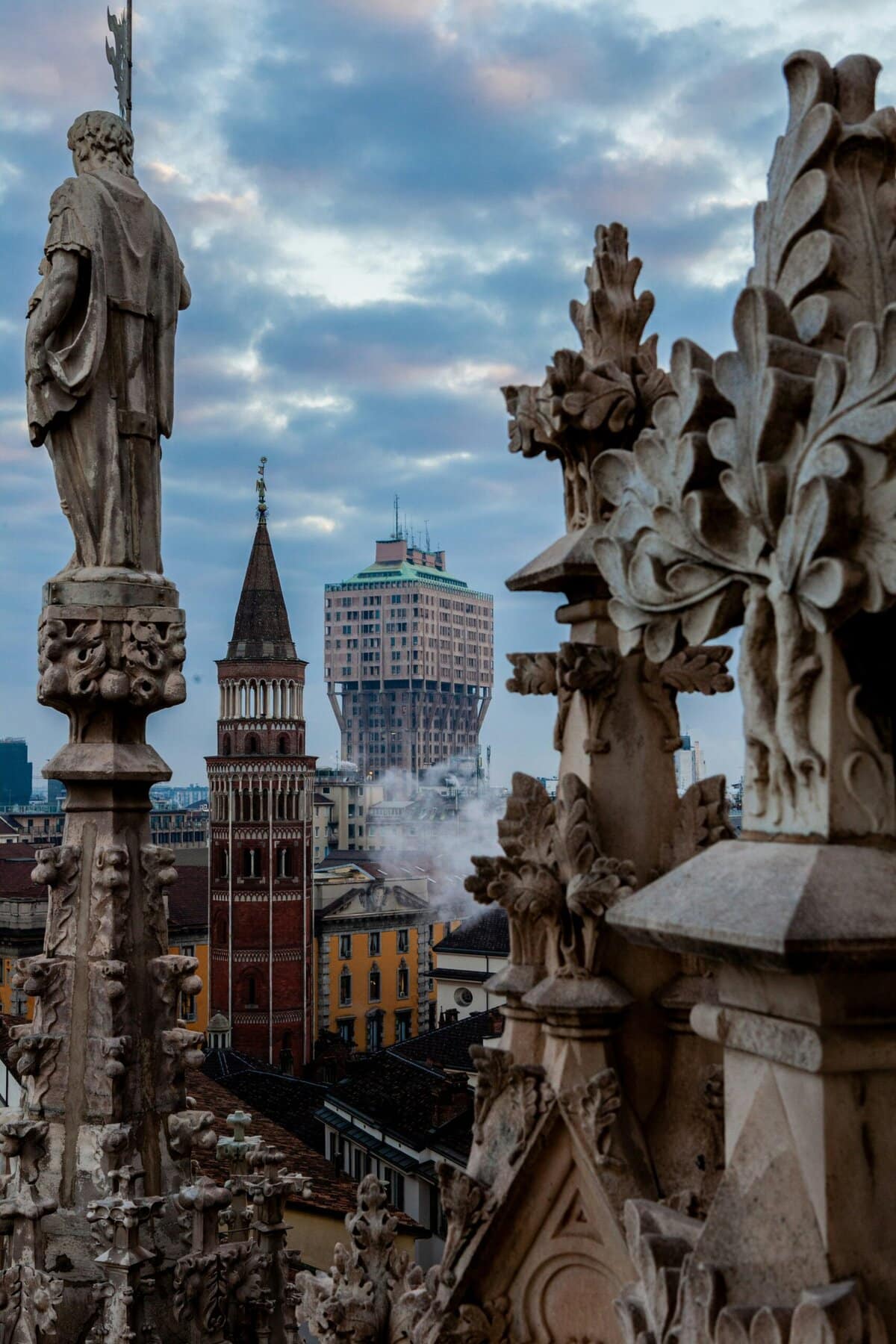
The rooftop terraces enable walking among the cathedral’s 135 spires with close-up views of statues and dramatic Milan city panoramas. Access via stairs (€10) or elevator (€14) brings visitors to forest of Gothic spires with Alps visible on clear days. The experience provides unique perspective on Gothic architecture and Milan’s urban landscape impossible from ground level. Admission to Duomo: €10 (cathedral only), €20 (includes museum and baptistery), €25 (adds rooftop access). Book and check hours at Duomo Milano official site.
The Duomo requires modest dress (no shorts, bare shoulders, or revealing clothing) and security screening. Long lines form during peak tourism seasons (May-October, particularly summer)—early morning visits (8-9am) or late afternoon provide better experiences than midday tourist crush. Plan 1-2 hours minimum for thorough visit including rooftop access. The cathedral operates as working church, so visiting hours respect mass schedule and religious observances.
Galleria Vittorio Emanuele II: Europe’s Oldest Shopping Mall
The Galleria Vittorio Emanuele II, connecting Piazza del Duomo to La Scala opera house, represents architectural masterpiece from 1877—glass-roofed arcade featuring mosaics, frescoes, and shops housed in neoclassical elegance. The Galleria operates as Milan Italy’s “living room” where Milanese gather for coffee at historic Caffè Campari or Marchesi pasticceria, window-shop luxury boutiques (Prada flagship, Louis Vuitton, Gucci), and dine at elegant restaurants including Savini (since 1867) and Cracco (Michelin-starred contemporary Italian).
The architectural significance rivals the commercial function—the octagonal glass dome at the arcade’s center provides spectacular natural light, mosaic floors feature symbols of Italian cities, and the scale showcases 19th-century engineering achieving soaring iron-and-glass structures. Walking the Galleria fulfills Milan social ritual—locals touch mosaic bull for good luck, observe fellow Milanese demonstrating fashion sense, and maintain tradition of aperitivo at historic establishments.
The Galleria prices reflect exclusive location—coffee €8-12 at historic cafés versus €1.50 at standard bars, meals €50-100+ at elegant restaurants. However, the atmospheric experience and people-watching justify paying premium for at least one drink or meal at Galleria establishments. Evening visits showcase illuminated architecture and sophisticated Milanese gathering for aperitivo hour (6-8pm).

Teatro alla Scala: Opera Legend
La Scala opera house, inaugurated 1778, represents global opera pinnacle hosting world premieres of major works (Verdi, Puccini, Bellini) and attracting greatest performers for centuries. The theater operates September-July season with productions requiring booking months ahead for significant performances. Tickets range €25 (distant gallery) to €200+ (prime orchestra) with special galas commanding higher prices. Tours (€12, includes museum) enable visiting the historic auditorium, boxes, and museum showcasing La Scala history even when performances aren’t scheduled. Book at Teatro alla Scala.
Luxury Shopping Beyond the Quadrilatero
Milan Italy shopping extends beyond Quadrilatero della Moda to design showrooms, department stores, concept stores, and specialized boutiques creating comprehensive retail landscape. Understanding these options enables finding specific items, discovering emerging designers, or simply experiencing Milan’s design-forward retail culture.
Corso Como & Design District
10 Corso Como, founded by fashion editor Carla Sozzani, pioneered the concept store format combining fashion, design, art, photography, and cuisine in curated environment. The space includes boutique selling emerging designers and established brands, gallery showing contemporary art and photography, bookshop specializing in art and fashion publications, and restaurant/café creating cultural destination versus pure shopping. The concept influenced global retail creating experiential shopping experience.
The surrounding Corso Como-Isola-Porta Garibaldi area concentrates design showrooms, emerging designer boutiques, contemporary galleries, and hip restaurants creating Milan’s creative quarter. The district attracts design professionals, fashion insiders, and aesthetically-conscious locals seeking alternatives to mainstream luxury shopping in the Quadrilatero.
Brera & Artistic Shopping
The Brera district, historic artistic quarter surrounding Pinacoteca di Brera art gallery, features boutiques emphasizing craftsmanship, emerging designers, vintage fashion, and art galleries. The area provides atmospheric shopping through cobblestone streets, 19th-century buildings, and bohemian-intellectual character contrasting with Quadrilatero’s polished luxury. Vintage fashion specialists, artisan shoemakers, independent jewelers, and small fashion designers maintain Brera’s creative character despite gradual gentrification.
La Rinascente & Department Stores
La Rinascente flagship on Piazza del Duomo operates Italy’s premier department store—8 floors featuring Italian and international fashion, design, beauty, and gourmet food hall with Duomo rooftop views. The store provides comprehensive shopping under one roof with VAT refund services, multilingual staff, and quality curation. The 7th-floor food hall showcases Italian specialty foods, wine, and kitchen products enabling culinary shopping. The rooftop restaurant/bar provides Duomo views making La Rinascente destination beyond pure shopping. Other department stores include Excelsior Milano (concept store format) and various locations of Italian chains (Coin, Upim for mid-market needs).

Business District & Corporate Milan Italy
Milan Italy operates as Italy’s corporate headquarters city, hosting Italian Stock Exchange, major banks, insurance companies, industrial corporations, and professional service firms (legal, consulting, accounting). The business infrastructure surpasses other Italian cities creating northern European-style office culture unusual in Mediterranean countries. Understanding Milan’s business districts and corporate culture proves relevant for business visitors and those seeking to comprehend the city beyond fashion tourism.
Porta Nuova: Modern Business District
Porta Nuova, developed 2009-2015, showcases Milan Italy’s contemporary architectural ambitions—three skyscraper clusters including Unicredit Tower (Italy’s tallest at 231m), Bosco Verticale (Vertical Forest—residential towers covered in trees creating innovative green architecture), and extensive mixed-use development combining offices, retail, hotels, and public spaces. The district operates as Milan’s answer to London’s Canary Wharf or Paris’s La Défense—modern business center designed for 21st-century corporate needs.
Major corporations including Unicredit (bank), Samsung, Microsoft, and various professional services maintain Porta Nuova offices. The district features business hotels (ME Milan, NH Collection), restaurants catering to expense-account dining, and retail serving office workers and affluent residents. The contemporary architecture contrasts dramatically with historic Milan creating visible manifestation of the city’s dual character—Renaissance heritage meeting contemporary ambition.
City Life & Western Business Corridor
City Life, another modern development west of city center, features three distinctive towers designed by Zaha Hadid, Arata Isozaki, and Daniel Libeskind creating architectural landmark district. The area combines commercial offices, residential towers, parks, and retail in car-free pedestrian environment. Major companies including PwC, Allianz, and others maintain City Life headquarters reflecting Milan’s corporate concentration.
The Fieramilano exhibition center, Europe’s largest trade fair complex, operates in northwestern suburbs hosting major international exhibitions including Milan Furniture Fair (Salone del Mobile, April), EICMA motorcycle show (November), and dozens of specialized industry trade shows throughout the year. The trade fair calendar influences Milan business patterns—exhibitions create demand spikes for hotels and business services requiring advance planning.
Financial District & Italian Stock Exchange
Piazza Affari hosts Palazzo Mezzanotte containing Italian Stock Exchange (Borsa Italiana), now part of London Stock Exchange Group but maintaining Milan operational headquarters. The surrounding streets concentrate financial institutions, investment banks, asset managers, and related professional services creating Italy’s Wall Street equivalent. The area operates on business schedules—restaurants serve efficient lunches for finance professionals, cafés provide quick espresso, and the atmosphere emphasizes work over leisure.
Business Travel Infrastructure
Milan Italy provides comprehensive business travel infrastructure—international-standard business hotels, extensive conference facilities, professional translators and interpreters, reliable transport including private drivers familiar with corporate protocol, and service providers understanding luxury business needs. Helicopter charter enables rapid movement to surrounding regions—Como for client entertainment, Lugano for Swiss banking connections, or executive transport to Italian manufacturing centers throughout Lombardy.
Executive chauffeur services operate Mercedes S-Class, Maserati Quattroporte, and armored vehicles for high-security requirements. Rates CHF 400-700 daily depending on vehicle and services. Some providers accept cryptocurrency payment including Bitcoin and Ethereum. For detailed options, see our comprehensive executive chauffeur service guide.
Wilhelm Gunkel
Museums & Cultural Attractions Beyond the Duomo
Milan Italy offers extensive cultural attractions beyond fashion and business—world-class art museums, Leonardo da Vinci’s works, archaeological collections, and design museums showcasing the city’s diverse heritage. Understanding key cultural sites enables balancing business or shopping visits with genuine cultural depth.
The Last Supper: Leonardo’s Masterpiece
Leonardo da Vinci’s “The Last Supper” (Il Cenacolo), painted 1495-1498 on refectory wall of Santa Maria delle Grazie convent, represents one of art history’s supreme masterpieces. The fragile fresco requires strict visitor controls—only 25 people every 15 minutes after extensive reservation process. Tickets (€15 plus €2 booking fee) require booking months ahead, particularly March-October peak season. Booking opens approximately 3 months prior—set calendar alerts and book immediately when reservations open. Tours typically occur at 8:15am, 8:30am, continuing until evening with 15-minute slots. The 15-minute viewing enables close examination but feels rushed given the artwork’s significance.
The masterpiece depicts Christ announcing one apostle will betray him, with each figure showing distinct emotional reactions captured through Leonardo’s psychological insight and technical mastery. Despite deterioration (inappropriate paint medium on damp wall caused immediate problems, WWII bomb damage, centuries of poor restoration), the work retains extraordinary power. Skip-the-line or guided tours cost €60-90 but guarantee access versus uncertainty of self-booking. The convent church (free admission) features Renaissance architecture and Bramante’s cloister worth exploring beyond the Last Supper itself.
Pinacoteca di Brera: Art Gallery
Brera Art Gallery holds Milan Italy’s premier art collection featuring Italian Renaissance masterpieces including Mantegna’s “Dead Christ,” Raphael’s “Marriage of the Virgin,” Caravaggio’s “Supper at Emmaus,” and extensive holdings of Lombard, Venetian, and Italian schools. The gallery occupies historic Palazzo Brera in atmospheric Brera district, combining art with elegant courtyard, botanical garden, and adjacent Academy of Fine Arts creating cultural quarter. Admission €15, reduced €10 for EU students under 25. Open Tuesday-Sunday 8:30am-7:15pm. Allow 2-3 hours for thorough visit.
Castello Sforzesco & Museums
Castello Sforzesco, massive Renaissance fortress built by Milan’s ruling Sforza dynasty, now houses multiple museums including Michelangelo’s Rondanini Pietà (sculptor’s last work, unfinished at death), Renaissance sculpture and decorative arts, Egyptian collection, ancient arms and armor, and musical instruments. The castle complex provides extensive cultural immersion with multiple specialized collections. Combined museum ticket €10 provides access to all castle museums. The surrounding Parco Sempione offers green space, Napoleon’s Arch (Arco della Pace), and walking paths creating urban retreat.
Triennale Design Museum
Triennale showcases Italian design, decorative arts, architecture, and contemporary art in rotating exhibitions emphasizing 20th-21st century creativity. The museum reflects Milan’s design capital status through collections of furniture, industrial design, graphics, and fashion. The permanent holdings include classic Italian design objects while temporary exhibitions address contemporary themes. Admission €12. The museum operates café-restaurant providing design-conscious dining in Parco Sempione location.
Best Hotels in Milan Italy: Business & Luxury
Milan Italy hotel scene emphasizes business hotels serving corporate travelers and trade fair attendees, fashion-focused properties catering to Fashion Week crowds, and grand hotels maintaining historic luxury traditions. Understanding hotel positioning enables selecting accommodations matching specific purposes—fashion business, corporate meetings, or cultural tourism.
Bulgari Hotel Milano: Ultimate Luxury
Bulgari Hotel Milano represents Milan Italy’s apex luxury address—58-room property in private garden setting between Montenapoleone shopping and Brera cultural quarter. The hotel combines contemporary design with Italian craftsmanship, featuring spa by Bulgari, Michelin-starred Il Ristorante Niko Romito, bar creating cocktail destination, and 4,000 square meter garden providing peaceful oasis in city center. Rates: €900-1,800 doubles (normal periods), €2,000-5,000+ (Fashion Week). The property attracts ultra-wealthy fashion insiders, international luxury travelers, and those seeking absolute peak Italian hospitality.
Park Hyatt Milano: Refined Elegance
Park Hyatt Milano occupies former 1870s bank building near Galleria Vittorio Emanuele II, delivering refined five-star luxury in 106 rooms combining historic architecture with contemporary comfort. The hotel features Michelin-starred VUN restaurant, spa, and central location enabling walking to Duomo, La Scala, and Quadrilatero shopping. Rates: €500-900 doubles, €1,200-2,500 (Fashion Week). Park Hyatt attracts sophisticated business travelers, fashion professionals, and luxury tourists seeking central location with international five-star standards.
Armani Hotel Milano: Fashion Focus
Armani Hotel, located in Montenapoleone luxury shopping district, reflects Giorgio Armani’s aesthetic vision through minimalist design, earth tones, and quiet luxury without overt branding. The 95-room property appeals to fashion industry professionals and design-conscious travelers appreciating Armani’s refined restraint. Rates: €450-850 doubles, €1,000-2,200 (Fashion Week). The hotel operates as fashion insider destination rather than tourist property—expect to share elevators with designers, buyers, and fashion editors during industry events.
NH Collection Milano Porta Nuova: Business Hub
NH Collection provides reliable business hotel comfort in Porta Nuova modern district near business offices and train stations. The 299-room property emphasizes functionality, meeting facilities, efficient service, and business traveler needs over design statements or historic character. Rates: €180-350 doubles, €400-800 (major trade fairs). Suits corporate travelers requiring practical accommodation, convention attendees, and budget-conscious visitors prioritizing value and location over luxury.
Fashion Week Accommodation Strategy
Milan Fashion Week creates accommodation challenges rivaling Art Basel or St. Moritz White Turf—rates increase 200-500%, minimum stays 4-7 nights universally required, and availability disappears 6-12 months ahead. Alternative strategies: stay outside Milan in suburbs with metro access (30-40 minutes commute), apartment rentals (€300-1,000+ nightly Fashion Week), or base in nearby cities (Como, Bergamo) making daily trips for specific shows and events. The accommodation challenge represents primary obstacle for Fashion Week attendance beyond invitation-only runway show access.
Milanese Dining & Aperitivo Culture
Milan Italy dining reflects northern Italian traditions—risotto Milanese (saffron risotto), ossobuco (braised veal shanks), cotoletta alla Milanese (breaded veal cutlet), cassoeula (pork and cabbage stew)—combined with contemporary innovations, international influences, and sophisticated aperitivo culture enabling social networking. Understanding Milanese food culture enhances visits beyond mere sustenance to experiencing social rituals central to the city’s character.
Traditional Milanese Cuisine
**Trattoria Milanese** delivers authentic Milanese cooking in atmospheric old-school environment—checkered tablecloths, professional servers, and traditional dishes prepared as they have been for generations. Signature dishes include risotto alla Milanese (saffron risotto cooked in meat broth), ossobuco (braised veal shank traditionally served with risotto), and cotoletta (breaded veal cutlet). Prices €40-70 per person. **Ratanà** combines traditional Milanese ingredients with contemporary techniques in industrial-chic setting near Porta Nuova. **Al Matarel** provides another excellent traditional option in Navigli canal district.
Milanese cuisine emphasizes butter and cream versus southern Italian olive oil, reflects Austrian influences (breaded meats), and features hearty winter preparations befitting northern Italy’s colder climate. Saffron, imported via Spanish trade routes historically, colors risotto the distinctive yellow creating Milan’s signature dish. The cuisine receives less international recognition than Tuscan or Neapolitan cooking but rewards exploration with depth and sophistication.
Michelin-Starred Excellence
Milan Italy hosts extensive Michelin-starred restaurants reflecting the city’s culinary ambitions. **Il Luogo di Aimo e Nadia** (two Michelin stars) serves creative Italian cuisine emphasizing seasonal ingredients and technical excellence for over 50 years (€150-250 tasting menus). **Seta** (two stars at Mandarin Oriental) delivers contemporary European cuisine in elegant hotel setting. **Vun** (one star at Park Hyatt) combines Italian tradition with Asian influences. Additional one-star establishments including Alice, Enrico Bartolini, and others provide diverse fine dining options.
Aperitivo Culture: Milanese Social Ritual
Aperitivo, pre-dinner drinking tradition (6-8pm typically), reaches ultimate expression in Milan Italy. The ritual involves ordering drinks (Aperol Spritz €8-12, Negroni €10-15, cocktails €12-18) receiving complimentary food ranging from chips and olives to elaborate buffets approaching full meals. The concept enabled social gathering, networking, and unwinding after work while consuming moderate alcohol with food preventing excessive drinking.
**Traditional aperitivo venues** include Bar Basso (invented Negroni Sbagliato—”wrong” Negroni with prosecco substituting gin), Camparino in Galleria Vittorio Emanuele (historic Campari bar), and Nottingham Forest (legendary cocktail bar). **Contemporary aperitivo** appears at design-forward establishments throughout Porta Nuova, Brera, and Navigli districts combining cocktail programs with DJ sets, art installations, and social atmosphere. The key involves ordering drinks receiving complimentary food versus ordering food separately—understanding this protocol prevents embarrassment and ensures proper aperitivo experience.
Summer aperitivo particularly showcases Milanese social culture—outdoor terraces fill with well-dressed crowds, conversation flows, and the city demonstrates its sophisticated social character. Visitors observing aperitivo hour glimpse authentic Milan beyond tourism or business facades.
Coffee Culture & Pastry
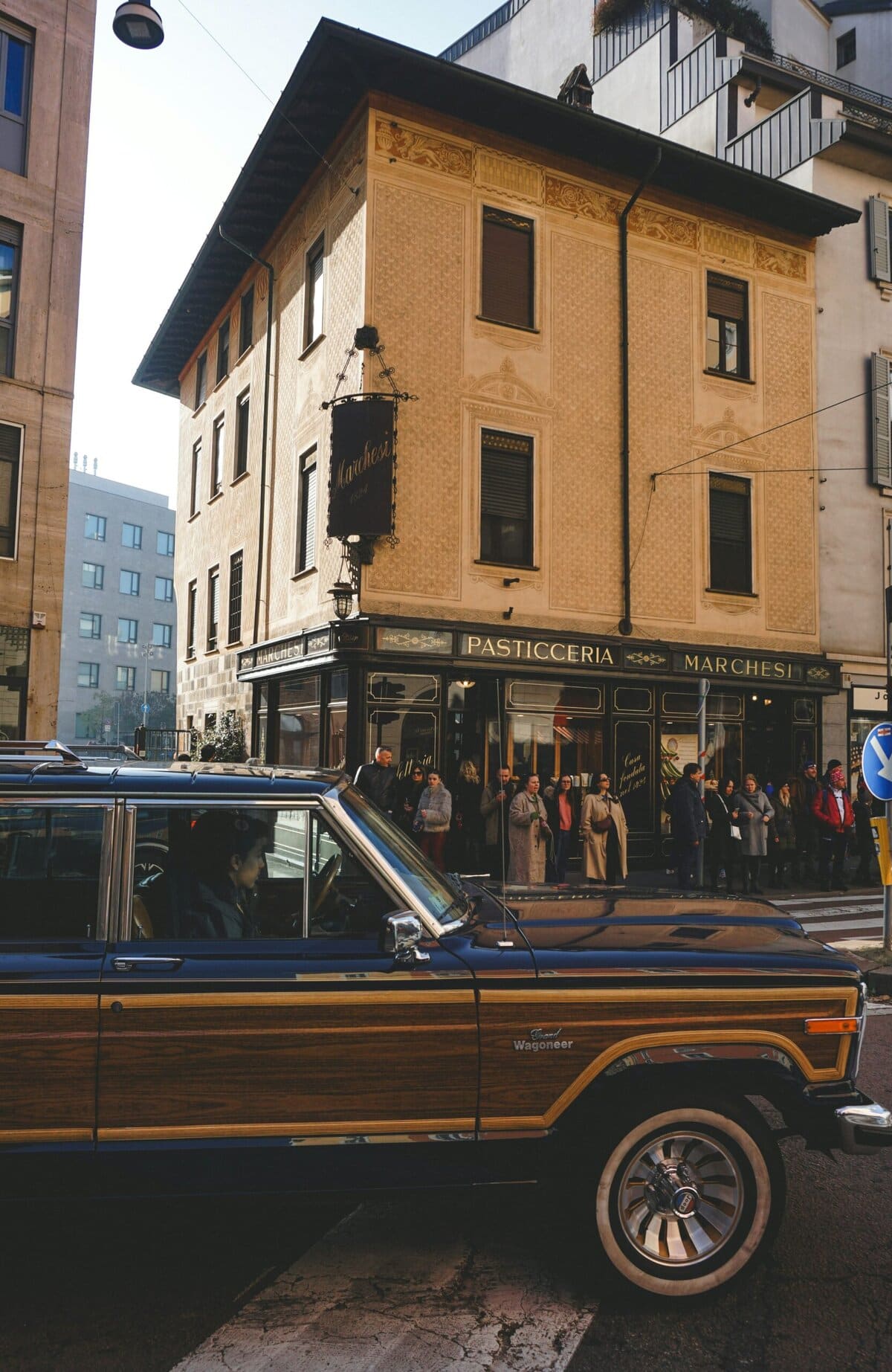
Milan maintains serious coffee culture—espresso at bar costs €1-1.50, cappuccino €1.50-2 (never after 11am in traditional establishments, considered digestively inappropriate). Historic cafés including Marchesi (Galleria Vittorio Emanuele location), Cova (Montenapoleone since 1817), and Peck provide elegant pastry and coffee in refined settings. The speed and efficiency of Italian coffee service—order, drink at bar, pay, leave within 5 minutes—contrasts with leisurely café culture elsewhere. However, sitting for coffee (€3-8 depending on location and establishment) enables observing Milanese street life justifying the table service premium.

Lake Como & Italian Lakes Access from Milan
Milan Italy’s position in Lombardy plain provides gateway to Italian lakes region—Como (50km), Maggiore (80km), Garda (140km)—creating weekend escape destinations and luxury property markets accessible from Milan base. Understanding lakes access enables day trips, property visits, or combining Milan business with lakeside leisure.
Lake Como: Ultimate Italian Lake
Lake Como, 50km north of Milan Italy, represents the Italian lakes’ ultimate expression—dramatic mountain setting, elegant villas cascading to water, charming lakeside towns (Bellagio, Varenna, Menaggio), and historic luxury hotels attracting international wealth since Grand Tour era. George Clooney’s Villa Oleandra in Laglio symbolizes Como’s continuing celebrity appeal, while Arab royalty, Russian oligarchs, and tech billionaires maintain properties creating discrete luxury enclave.
**Train access** from Milano Centrale to Como San Giovanni station requires 40-60 minutes (€5-10 depending on train type). Regional trains operate hourly providing economic access though stations sit slightly distant from prime lakefront areas requiring additional local transport. **Car/chauffeur** enables direct access to specific lakeside destinations but Como’s narrow roads and limited parking create challenges during summer weekends. **Helicopter charter** provides ultimate access—15-20 minutes Milan to Como (€2,500-4,000 per flight, 4-6 passengers) enabling direct landings at lakeside helipads or hotels with facilities. For comprehensive Como coverage, await our detailed Lake Como complete guide (forthcoming).
Lugano Switzerland from Milan
Lugano Switzerland, 80km north, provides Swiss-Italian hybrid destination accessible from Milan Italy. Train requires 90 minutes via Swiss Federal Railways (CHF 30-40 one-way, hourly departures). Drive requires 90 minutes via Como and Swiss border. Helicopter requires 30 minutes (€6,000-10,000 round-trip). The proximity enables Milan-Lugano business combinations—mornings in Swiss private banks, afternoons in Milan corporate offices—or leisure combinations accessing both Italian and Swiss lakes. For comprehensive Lugano coverage, see our detailed Lugano Switzerland complete guide.
Lake Maggiore & Lake Garda
Lake Maggiore, 80km northwest, features Borromean Islands (Isola Bella’s baroque palace and gardens), Stresa resort town, and Swiss border crossing at northern lake end. Train from Milan to Stresa requires 60-90 minutes (€9-15). Lake Garda, Italy’s largest lake 140km east, provides diverse character from German-influenced north (Riva del Garda) to southern resort towns (Sirmione, medieval castle town). Train to Desenzano del Garda requires 60 minutes on high-speed service (€15-25). Both lakes enable day trips from Milan base though overnight stays better capture each lake’s character.
Swiss Connections: Basel, Zurich & Helicopter Corridors
Milan Italy’s position near Swiss border creates regular business and leisure traffic between Italian fashion capital and Swiss cities. Understanding transport options enables combining Milan visits with Swiss destinations for business requiring both locations or tourists exploring northern Italy-southern Switzerland region.
Milan-Zurich: Business Corridor
Zurich-Milan train requires 3h 15min via Gotthard Base Tunnel (€80-120 one-way depending on class). The service operates hourly combining Swiss efficiency with Italian connections. Helicopter charter requires 60 minutes (€15,000-25,000 round-trip) suiting emergency business needs or ultra-wealthy travelers. The distance makes combining both cities practical for week-long trips versus attempting day trips. For comprehensive Zurich coverage, see our detailed Zurich Switzerland complete guide.
Milan-Basel: Art & Pharma Connections
Basel Switzerland sits 280km north of Milan Italy, connected via train through Gotthard (4h 15min, €90-130). The route serves Basel Art Basel attendees combining with Milan Fashion Week when schedules align, pharmaceutical executives coordinating Swiss-Italian operations, and tourists exploring both cities’ cultural strengths. Helicopter charter requires 90 minutes. For comprehensive Basel coverage, see our detailed Basel Switzerland complete guide.
Milan-Geneva: International Cities
Geneva-Milan connection requires train via Lausanne and Brig (4h 45min, €90-140) or drive via Mont Blanc Tunnel (4 hours including tolls). The distance creates less practical combinations versus Milan-Zurich or Milan-Lugano, though helicopter (90 minutes, €20,000-30,000 round-trip) enables connecting for specific purposes. For comprehensive Geneva coverage, see our detailed Geneva Switzerland complete guide.
For comprehensive helicopter charter information including all Milan-Swiss routes, operators, and seasonal pricing, see our detailed helicopter charter price guide.
Costs & Budgeting for Milan Italy
Milan Italy operates at premium pricing by Italian standards—comparable to Rome, exceeding Florence or Venice, reflecting northern European business culture and international population driving demand. However, costs run 20-40% below Swiss cities (Zurich, Geneva, Basel) creating relative value for those combining Milan with Swiss destinations.
Accommodation Costs
**Normal periods:** Five-star luxury (Bulgari, Park Hyatt): €400-900 doubles. Four-star business hotels: €150-350 doubles. Budget/three-star: €70-150 doubles. **Fashion Week:** All rates increase 200-500%—five-star €1,200-3,000+, four-star €500-1,200, budget €250-500. Minimum stays 4-7 nights during Fashion Week. **Trade fair periods:** Furniture Fair (April), other major exhibitions create 50-150% premiums. Weekly accommodation (6 nights couple, normal periods): €2,400-5,400 five-star, €900-2,100 four-star, €420-900 budget.
Dining & Entertainment
Restaurant lunch: €15-35 per person. Dinner mid-range: €30-60 per person. Michelin/fine dining: €100-250 per person with wine. Aperitivo: €10-18 drinks (includes complimentary food). Pizza: €8-15. Espresso at bar: €1-1.50. Cappuccino: €1.50-2. Sitting table service adds 200-300% premium (€3-6 coffee). Weekly meal costs: €350-500 per person restaurant dining, €100-200 additional drinks/coffee/aperitivo.
Transport & Activities
Metro single ticket: €2 (90 min validity). Day pass: €7. Malpensa Express train: €13. Taxi airport-center: €90-110 (Malpensa), €25-35 (Linate). Duomo admission with rooftop: €25. Last Supper: €17 (requires months-advance booking). Museum average: €10-15. Como day trip train: €10-20 round-trip. Helicopter Milan-Como: €4,000-6,000 round-trip (aircraft, 4-6 passengers).
Total Milan Week Budget Examples
Moderate Comfort (Normal Period, Four-Star)
– Transfers/metro: €100 (2 people)
– Four-star hotel (6 nights): €1,200
– Meals (restaurants + some casual): €1,000
– Museums/activities: €300
Total: €2,600 (~USD 2,850) couple
Luxury Experience (Five-Star, Como Helicopter)
– Transfers/chauffeur: €500
– Park Hyatt (6 nights): €4,200
– Fine dining: €1,800
– Helicopter Como day trip: €4,000
– Shopping/activities: €2,000
Total: €12,500 (~USD 13,700) couple
Frequently Asked Questions: Milan Italy
Is Milan Italy worth visiting?
Milan Italy merits visiting for specific interests rather than as classic Italian tourism destination. The city excels for: fashion industry and luxury shopping, business and corporate culture, contemporary design and architecture, Leonardo’s Last Supper and quality museums, aperitivo culture and sophisticated dining, and Italian lakes gateway. Milan appeals less to: those seeking romantic Italy or Renaissance art (better Florence/Rome), beach vacations (no coast), or purely leisure tourism. Assess whether Milan’s specific strengths—fashion capital, business hub, lakes access—align with your interests. Most visitors combine Milan with other northern Italy destinations (Como, Venice, Turin) versus standalone Milan trips.
How many days do you need in Milan Italy?
Milan Italy requires 2-3 days minimum for major attractions—Duomo, Last Supper, museums, aperitivo experience, shopping. However, comprehensive visits justifying 4-5 days include: day trip to Lake Como, exploring multiple museums thoroughly, serious shopping in Quadrilatero and design districts, business meetings, and experiencing Milan’s neighborhoods beyond tourist center. Fashion Week or trade fair attendance requires full week accounting for shows, appointments, and networking events. Day trips from Venice, Lake Como, or Switzerland work for Duomo/Last Supper highlights but miss Milan’s character requiring multi-day immersion.
What is Milan Italy famous for?
Milan Italy gained fame for: global fashion capital (Milan Fashion Week, luxury brand headquarters), Duomo Gothic cathedral, Leonardo da Vinci’s Last Supper, La Scala opera house, contemporary design and architecture, business and financial center (Italian Stock Exchange), aperitivo culture, and Italy’s economic powerhouse. The city combines Renaissance cultural heritage (Last Supper, Sforza Castle) with contemporary innovation (fashion, design, finance) creating distinctive character among Italian cities. Milan represents modern, productive Italy versus Rome’s political capital or Florence/Venice’s Renaissance museum character.
What language do they speak in Milan Italy?
Milan Italy’s official language is Italian, with local Milanese dialect (Milanese) spoken among natives though declining in younger generations. However, Milan’s international business environment means English functions widely in corporate offices, luxury retail, hotels, and tourist services. Fashion industry professionals, business executives, and service providers typically speak English fluently given international clientele. Restaurants, museums, and tourist attractions accommodate English speakers. However, learning basic Italian courtesies (buongiorno, grazie, per favore) demonstrates respect and improves interactions, particularly in traditional establishments and residential neighborhoods.
Is Milan expensive compared to other Italian cities?
Yes. Milan Italy ranks as Italy’s most expensive major city alongside Rome, exceeding Florence, Venice, Bologna, and southern cities significantly. A week for two people runs €2,500-3,500 for moderate comfort, €8,000-15,000 for luxury (normal periods). Fashion Week multiplies costs 2-4x. However, Milan remains 20-40% cheaper than Swiss cities (Zurich, Geneva, Basel), creating relative value for those combining Italian and Swiss destinations. Budget travelers find Milan challenging—limited hostels, expensive dining, and costs approaching northern European levels versus southern Italian affordability. The city caters to business travelers and fashion professionals on expense accounts rather than backpackers.
Can you do Milan as a day trip from Lake Como?
Yes. Como to Milan requires 40-60 minutes by train (€5-10 one-way, hourly departures). The short journey makes Milan practical for day trips from Como base targeting specific activities—Last Supper visit, Duomo exploration, luxury shopping, or business meetings. However, comprehensive Milan exploration including museums, shopping districts, aperitivo culture, and neighborhoods justifies multi-day stays versus rushed day trips. The reverse—basing Milan with Como day trips—proves equally practical. Many visitors combine both in week-long northern Italy trips splitting time between cities versus choosing single base.
Which Milan airport is closest to city center?
Linate (LIN) sits 7km from Milan Italy city center providing fastest access (20-30 minutes by taxi or bus). However, Linate serves primarily domestic and European flights with limited intercontinental options. Malpensa (MXP), 50km northwest, handles intercontinental flights but requires 45-90 minutes city center access depending on transport mode. Bergamo (BGY), 45km northeast, serves budget carriers requiring 60 minutes bus to city center. Choose airport based on flight availability and origin rather than pure distance—intercontinental arrivals use Malpensa despite longer access, European flights often favor Linate for convenience, budget travelers accept Bergamo’s distance for fare savings.
Is Milan safe for tourists?
Yes, generally. Milan Italy maintains reasonable safety by European standards with violent crime rare affecting tourists. However, pickpocketing occurs in tourist areas (Duomo, metro, tourist attractions), requiring standard precautions: secure valuables, avoid displaying expensive items unnecessarily, watch belongings in crowds, and maintain awareness. The central station (Centrale) and some residential periphery areas experience more petty crime—avoid late-night solo walks in unfamiliar neighborhoods. Scams targeting tourists (fake petitions, friendship bracelet sellers, restaurant overcharging) require vigilance. Overall, normal urban awareness suffices—Milan proves safer than Naples or Rome’s tourist areas while requiring more caution than small Italian towns.
Can you see Milan and Lake Como in one day?
Technically possible but impractical. Train Milan-Como requires 40-60 minutes each direction consuming 2+ hours total transit. A day trip from Milan enables 4-5 hours Como time sufficient for waterfront strolling, lunch, and limited exploring. However, Como’s best experiences—boat trips to Bellagio, villa visits, comprehensive lakeside exploration—require full days. Better approach: choose either Milan day trip from Como base or Como day trip from Milan base depending on where more time should allocate. Week-long northern Italy trips should split 3-4 days Milan, 3-4 days Como/lakes region versus attempting daily back-and-forth consuming vacation time in transit.
Conclusion: Experiencing Italy’s Fashion Capital & Business Hub
Milan Italy rewards travelers who appreciate its unique character—contemporary fashion and design capital meeting Renaissance cultural heritage, productive business culture meeting sophisticated social rituals, and northern efficiency meeting Italian style. Success requires approaching Milan as working city producing fashion, finance, and design versus leisure destination like Florence or Venice. Those who invest effort understanding Milan’s specific character—fashion industry, aperitivo culture, design innovation, business energy—discover Italian experiences impossible in tourist-focused cities.
The combination of Fashion Week prestige, luxury shopping concentration, business infrastructure, cultural depth (Last Supper, Duomo, museums), and Italian lakes proximity creates appeal to specific travelers: fashion professionals and luxury shoppers, business executives, design enthusiasts, and sophisticated travelers seeking productive Italian city meeting Lake Como gateway. Milan delivers these benefits exceptionally well while offering less appeal to those seeking classic Italian romance, beach destinations, or purely leisure tourism better served by other Italian regions.
Book accommodations well ahead particularly for Fashion Week (6-12 months) and major trade fairs when the city operates at capacity and premium pricing. Reserve Last Supper tickets months in advance avoiding disappointment. Embrace the Milanese pace—aperitivo culture, efficient business interactions, fashion consciousness—rather than expecting leisurely southern Italian dolce vita. Above all, appreciate Milan Italy as contemporary Italian capital where fashion meets finance in dynamic northern European-influenced setting unique among Italian cities. Benvenuti a Milano—welcome to Italy’s fashion and business capital.
Related Guides: