




Monte Carlo Casino, Formula 1 Grand Prix and Mediterranean Luxury 2026
Monaco occupies 2.02 square kilometers on the French Riviera coast between Nice and the Italian border, ranking as the world’s second-smallest sovereign state after Vatican City’s 0.44 square kilometers and operating as Europe’s most exclusive principality with 32% millionaire population concentration—12,000+ wealthy residents among 38,000 total creating planet’s highest ultra-high-net-worth density. The constitutional monarchy ruled by the Grimaldi family since 1297 functions as tax haven with zero personal income tax attracting billionaires, banking sector managing €140 billion assets, luxury real estate averaging €47,400 per square meter (world’s highest), and iconic institutions including Monte Carlo Casino (opened 1863), Formula 1 Monaco Grand Prix (world’s most prestigious street circuit since 1929), and Port Hercules superyacht harbor (700 berths accommodating vessels up to 170 meters) creating unmatched luxury destination combining Mediterranean beauty, royal heritage, and extreme wealth concentration impossible to replicate elsewhere globally.
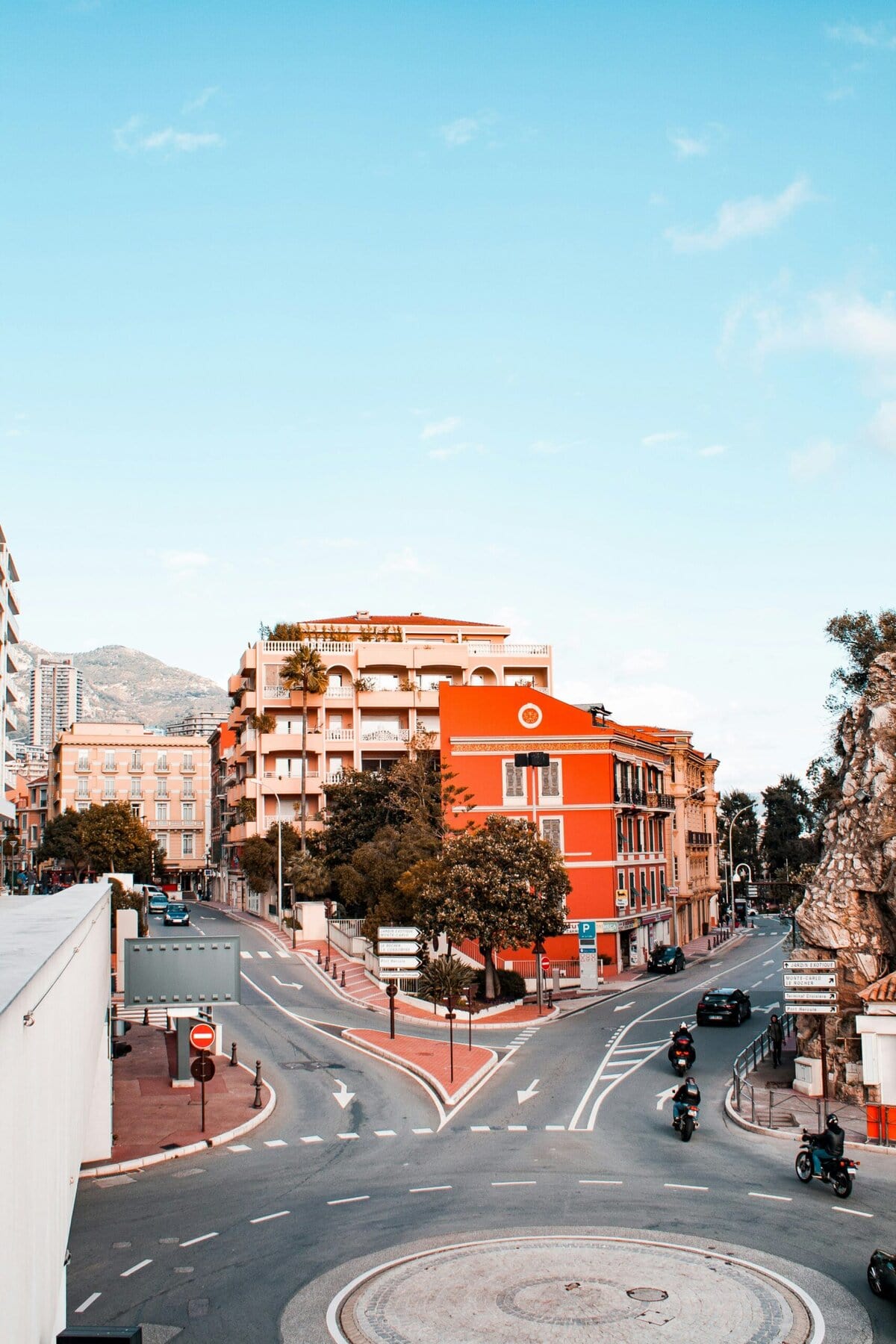
The principality divides into four traditional quarters: Monaco-Ville (medieval old town on Le Rocher promontory 60 meters above sea level), Monte Carlo (casino and luxury hotel district), La Condamine (port and commercial zone), and Fontvieille (industrial quarter on reclaimed land). The compact 2.02 square kilometer territory enables complete exploration on foot in 90-120 minutes, though 42-meter elevation differences between harbor level and Monaco-Ville clifftop require using free public elevator systems or climbing historic staircases connecting neighborhoods vertically. Population density reaches 39,244 residents per square kilometer—world’s highest urban concentration—with 78% foreign nationals including French (28%), Italian (19%), British (8%), and American/Canadian (5%) creating multilingual environment where French, English, Italian, and Monégasque dialect coexist in daily commerce, government, and social interactions.
Monaco’s strategic position 15 kilometers east of Nice France and 10 kilometers from Italian border creates French Riviera central location enabling Mediterranean coastal touring, Alps winter sports access (100 kilometers, one hour), and connections throughout southern Europe while maintaining sovereign independence from France despite geographic enclosure, customs union, and Monaco Franc currency parity (now Euro adoption). For official Monaco tourism information and current events, visit Visit Monaco official portal.
Monaco at a Glance
Location: French Riviera, Mediterranean coast
Size: 2.02 km² (0.78 square miles)
Population: 38,000 (32% millionaires)
French Name: Principauté de Monaco
Capital: Monaco (city-state)
Famous For: Monte Carlo Casino, F1 Grand Prix
Tax Status: Zero personal income tax
Distance Nice: 15km / 20 min train / 7 min helicopter
Distance Milan: 280km / 4h15 train
Currency: Euro (EUR)
Language: French (official), English widely spoken
Character: Luxury + Yachts + Casino + F1 + Tax Haven

Table of Contents
- Monaco Overview: Principality & Billionaire Haven
- Getting to Monaco: Airport & Transport Connections
- Monte Carlo Casino: Belle Époque Gaming Palace
- Formula 1 Monaco Grand Prix Circuit
- Monaco-Ville: Medieval Old Town on Le Rocher
- Oceanographic Museum: Marine Science Institution
- Port Hercules: Superyacht Capital
- Tax Haven Status & Residency Requirements
- Exotic Garden & Observatory Cave
- Day Trips & Regional Connections
- Best Hotels in Monaco
- Dining & Cuisine: Michelin Stars to Casual
- Larvotto Beach District
- Helicopter & Executive Transport
- Shopping & Luxury Retail
- Year-Round Events Calendar
- Costs & Budgeting: Three Travel Styles
- Practical Tips & Local Knowledge
- Frequently Asked Questions
Monaco Overview: Principality & Billionaire Haven
Monaco evolved from medieval Genoese fortress (captured 1297 by François Grimaldi disguised as Franciscan monk, establishing dynastic rule continuing 728 years) through centuries as Sardinian protectorate to modern constitutional monarchy under 1911 constitution establishing Prince as head of state with Minister of State (appointed by Prince from French civil service) managing daily governance. The principality maintained independence through strategic diplomacy, French protectorate treaties (1861 establishing customs union, 1918 limiting succession to French-approved heirs), and cultivating tax haven status attracting wealthy residents whose presence funds state operations eliminating need for personal income taxation.
The Grimaldi family’s continuous rule since 13th century creates Europe’s oldest sovereign dynasty alongside Liechtenstein, with current ruler Prince Albert II (reigned since 2005) representing 33rd generation descending from François Grimaldi’s 1297 conquest. The royal mystique intensified through Grace Kelly’s 1956 marriage to Prince Rainier III, transforming Monaco from obscure Mediterranean principality to global celebrity destination attracting Hollywood glamour, international society, and worldwide media attention establishing modern Monaco’s luxury brand beyond pure gaming and taxation angles.
Why Monaco Differs from Other Luxury Destinations
Monaco occupies unique position versus competing luxury destinations. Unlike Saint-Tropez or Portofino’s seasonal tourism, Monaco maintains year-round resident population and permanent infrastructure creating living city versus summer resort town character. Unlike Dubai’s artificial luxury creation, Monaco’s 728-year royal history, Belle Époque architecture, and Mediterranean setting provide authentic heritage impossible to manufacture. Unlike Caribbean tax havens’ isolated island positioning, Monaco’s French Riviera location enables European cultural access, Milan shopping (280 kilometers), Alps skiing (100 kilometers), creating comprehensive lifestyle beyond pure financial optimization or beach isolation.
The extreme density creates walking-distance convenience impossible in sprawling luxury destinations—Monte Carlo Casino, Port Hercules yachts, Prince’s Palace, luxury hotels, Michelin restaurants, and designer shopping within 15-minute walks enabling comprehensive luxury experiences without vehicle dependency. The Formula 1 street circuit operating on actual city roads (versus purpose-built racetracks) creates unique sporting spectacle where residential buildings, Casino Square, and yacht harbor transform into racing venue one weekend annually, demonstrating Monaco’s compact geography enabling extraordinary event staging impossible in conventional cities requiring dedicated sports facilities separated from urban cores.
Strategic Mediterranean Positioning
Monaco’s French Riviera location creates optimal southern Europe exploration base—15 kilometers from Nice (primary airport gateway, 7-minute helicopter or 20-minute train), 60 kilometers from Cannes, 10 kilometers from Italian border at Menton, 8 kilometers from Èze village, and 200 kilometers from Turin Italy (Piedmont wine country gateway). The positioning enables Mediterranean coastal touring, French-Italian border exploration, and Alps access while maintaining Monaco’s sovereign luxury environment as operational base versus constant accommodation changes or isolation in remote resorts requiring extensive travel reaching civilization.
Getting to Monaco: Airport & Transport Connections
Monaco lacks commercial airport or railway station within its 2.02 square kilometer territory. Nice Côte d’Azur Airport (NCE) operates as primary international gateway 30 kilometers west, offering comprehensive European connections and limited intercontinental services creating practical access despite Monaco’s airport absence. Understanding transport options from Nice Airport and European train connections enables selecting appropriate arrival methods balancing cost, time, and luxury preferences.
Nice Airport to Monaco: Four Options
Train provides most economical access—Nice Airport bus line 2 to Nice-Ville station (€6, 30 minutes), then SNCF train Monaco-Monte-Carlo (20 minutes, €5.10, departures every 30 minutes 06:00-23:00) totaling €11.10 and 50-60 minutes Nice Airport to Monaco hotels. The coastal railway route passes through tunnels offering Mediterranean views between stations. Monaco-Monte-Carlo station occupies central location enabling walking to Monte Carlo hotels or short bus rides to other quarters. Express bus line 110 operates Nice Airport direct to Monaco (45 minutes, €22 one-way, less frequent than train option, traffic-dependent timing).
Monacair helicopter services complete Nice Airport to Monaco Heliport in 7 minutes for €160 per person one-way (€130 return), with scheduled flights departing every 15 minutes during peak hours 08:00-18:00. The Monaco Heliport occupies Fontvieille quarter, positioning 10 minutes walk from Monte Carlo Casino and Port Hercules. Private helicopter charter services enable custom scheduling at €2,500-4,500 per aircraft (Airbus H125 or Bell 407, 6 passengers maximum) completing transfer in 6 minutes with flexible departure timing eliminating scheduled flight constraints for groups or time-sensitive arrivals.
Taxi and ride-sharing services charge €90-110 Nice Airport to Monaco (30 minutes via A8 autoroute, traffic-dependent), providing door-to-door convenience for groups where per-person costs approach train fares when splitting among 3-4 passengers. Executive chauffeur services cost €180-280 for Mercedes S-Class or BMW 7 Series with professional multilingual drivers navigating Monaco’s complex one-way traffic system, underground parking coordination (€3.50 per hour in municipal garages, virtually no street parking available), and hotel delivery eliminating navigation challenges in compact dense principality where wrong turns create significant time penalties given limited road network.
Train to Monaco from European Cities
Monaco-Monte-Carlo station connects to French Riviera coastal railway and broader European networks despite compact principality size. Nice-Monaco trains require 20 minutes (€5.10, hourly departures throughout day), Cannes-Monaco 45 minutes (€9.20), Menton-Monaco 10 minutes (€3.10), Ventimiglia Italy 15 minutes (€4.80). Longer routes include Milan-Monaco 4h15 (€45-75 depending on connections), Marseille-Monaco 2h40 (€35-60), Paris-Monaco TGV 5h45 (€60-150), and Nice-Monaco-Genoa-Verona Italy 5h30 (€55-95).
The coastal railway passes spectacular Mediterranean scenery—cliff-hugging viaducts, sea-view tunnels, and Riviera resort towns creating scenic journey complementing pure transport functionality. Train access eliminates car rental requirements for Monaco-centered visits, as the compact territory proves entirely walkable (plus free public buses and elevators) making vehicle ownership disadvantageous given parking costs, traffic restrictions, and limited road network versus pedestrian mobility advantages in dense urban environment where destinations cluster within 1-2 kilometer radius.
Helicopter Charter for Luxury Travelers
Helicopter services provide rapid connections throughout French Riviera, Alps, and beyond. Monaco-Cannes requires 15 minutes (€5,000-8,000 private charter, 4-6 passengers), Monaco-Saint-Tropez 25 minutes (€8,000-12,000), Monaco-Courchevel ski resort 75 minutes (€15,000-25,000), Monaco-Geneva Switzerland 90 minutes (€18,000-30,000). Scenic flights showcase Monaco from aerial perspectives impossible ground-level—Port Hercules yacht density, Monte Carlo casino district, Monaco-Ville clifftop positioning, and French-Italian Riviera coastline creating dramatic vistas justifying premium pricing for special occasions or comprehensive Mediterranean touring incorporating multiple destinations daily via helicopter versus ground transport time consumption limiting itinerary flexibility.
Monte Carlo Casino: Belle Époque Gaming Palace
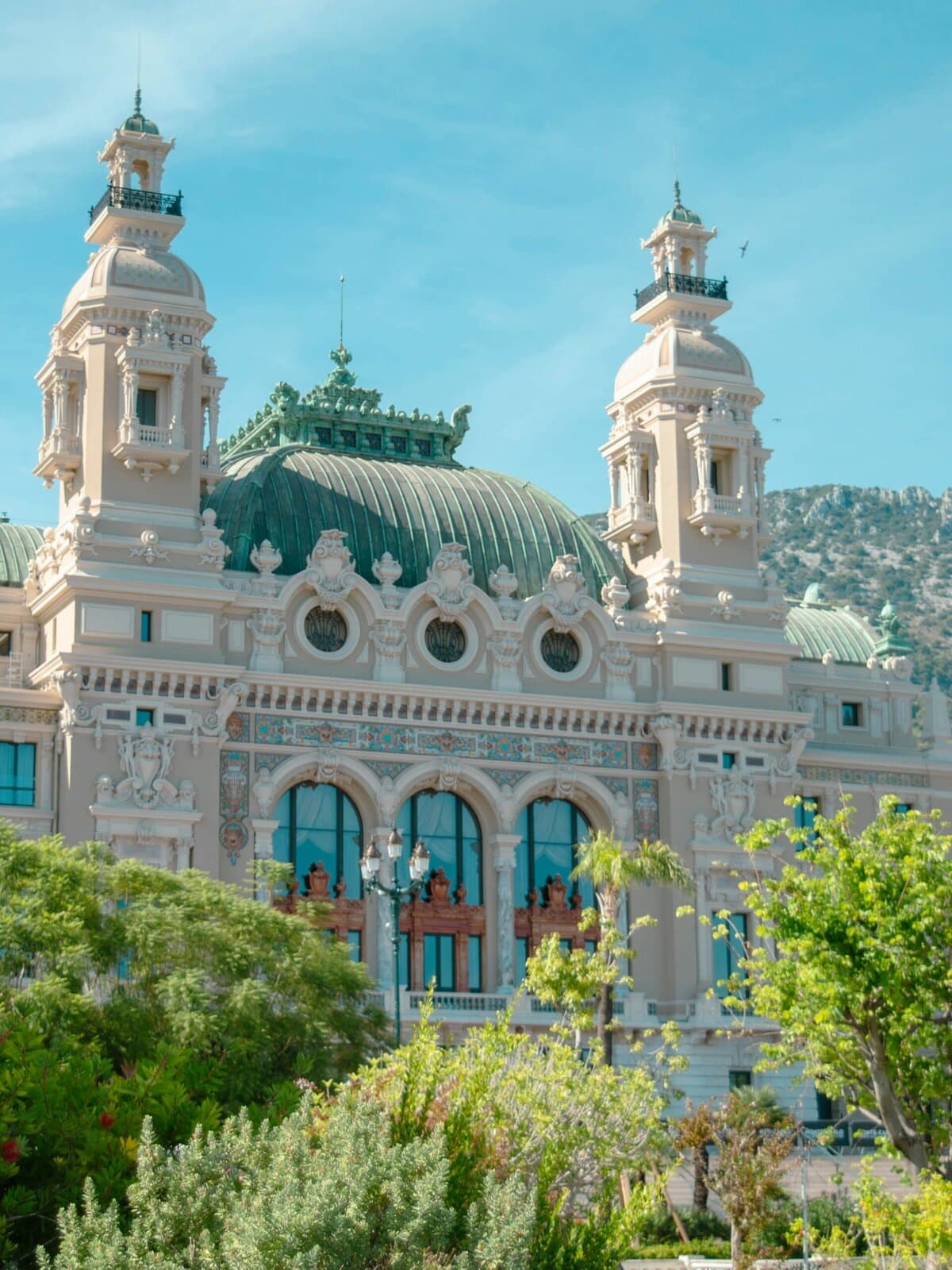
The Monte Carlo Casino opened January 1863 under architect Charles Garnier’s design (who simultaneously created Paris Opera House using matching Belle Époque principles), commissioned by Prince Charles III to rescue Monaco’s failing economy through gaming monopoly granted to Société des Bains de Mer which operates casino, luxury hotels, restaurants, and entertainment venues today generating significant principality revenue though reduced from historical 95% government funding (1869) to current 5% as banking, real estate, and tourism diversified Monaco’s economic base beyond pure gambling dependency.
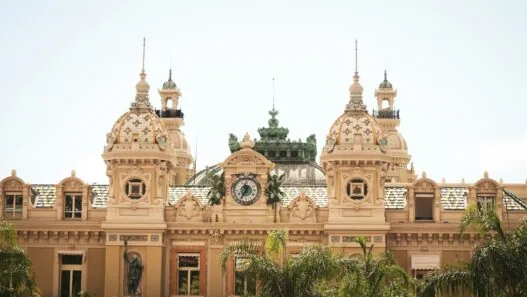
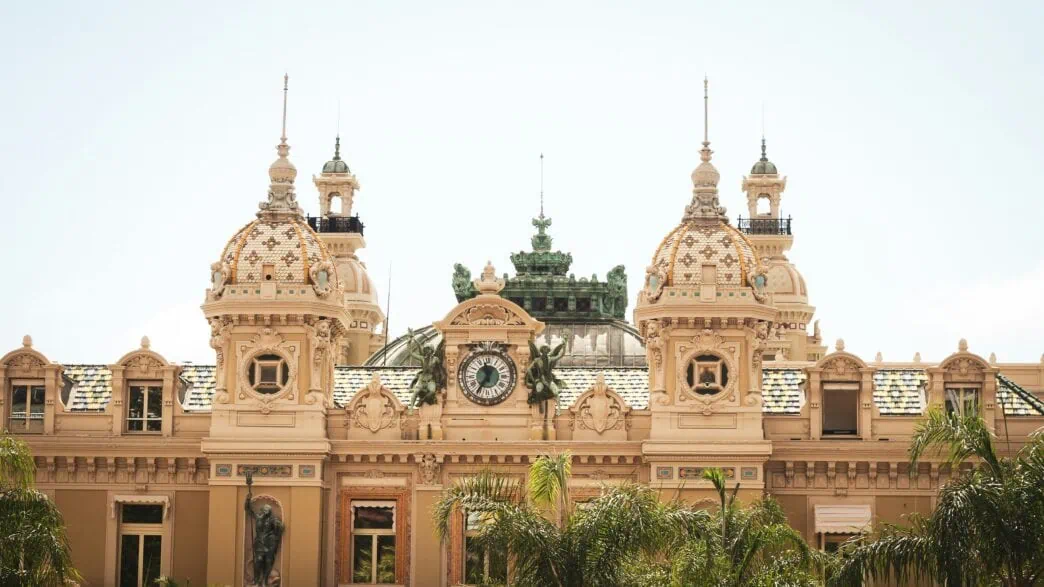
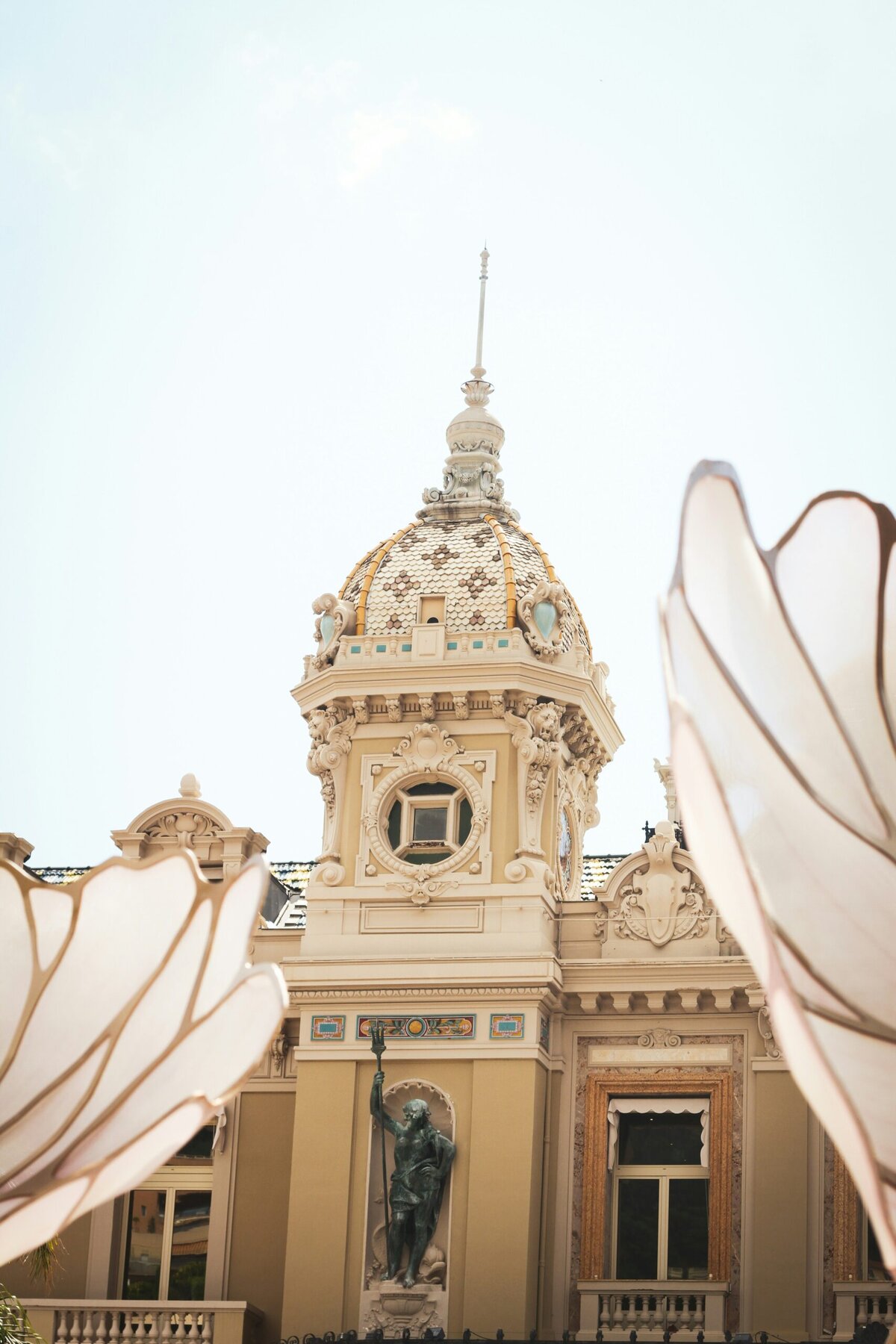
The palace occupies Casino Square in Monte Carlo quarter, featuring gilded bronze doors by Barbedienne foundry, onyx and marble columns throughout gaming rooms, Bohemian crystal chandeliers weighing 150 kilograms each suspended from ornate ceilings, and ceiling frescoes by Jules-Émile Saintin depicting allegories of gambling, tobacco, music, and dance celebrating casino culture as sophisticated entertainment versus vice. The exterior showcases elaborate Belle Époque detailing—sculptural ornamentation, symmetrical wings, grand entrance staircase, and elegant proportions creating architectural landmark independent of gaming functions, making Casino Square essential Monaco photography location even for non-gamblers appreciating 19th-century architectural extravagance.
Gaming Rooms & Entry Requirements
The casino operates three distinct gaming areas with separate entry fees and dress codes. European Gaming Rooms (Salons Ordinaires) house 145 slot machines, electronic roulette, and video poker requiring €10 entry before 14:00 or €17 after 14:00 with smart-casual dress code enforced (no shorts, sandals, sportswear, baseball caps). American Gaming Rooms (Salons Américains) feature traditional table games including blackjack (€10-5,000 bets), craps, roulette (€5-1,000), Ultimate Texas Hold’em poker, and Punto Banco baccarat charging €17 entry with jacket required for men after 20:00 (tie optional), women requiring cocktail dress or elegant attire beyond casual wear.
Salons Privés operate invitation-only high-stakes gaming—baccarat and roulette tables with €100-50,000 minimums requiring casino evaluation of betting capacity before granting access. High rollers spending €5,000+ per visit typically receive Salons Privés access through casino host arrangements, with formal dress code mandated year-round (dark suit and tie for men, evening gown for women) reflecting exclusive clientele and elevated stakes versus public gaming areas. The private salons maintain discretion impossible in main casino floors, attracting wealthy gamblers preferring confidential gaming environments away from tourist crowds photographing Belle Époque décor and recreational players making minimum bets.
Visiting Information & Historic Significance
Entry to all gaming areas requires passport or government-issued ID verification at entrance, with Monaco residents legally prohibited from gambling in the principality’s casinos under Princess Caroline’s 1848 decree designed to prevent local families from gambling away fortunes. The prohibition continues today—Monaco citizens and residents cannot enter casino gaming floors even as tourists, creating curious situation where international visitors gamble freely while locals supporting casino operations through proximity and cultural association cannot participate directly.
Architectural tours operate 09:00-13:00 daily for €17, providing access to gaming rooms, opera house foyer, and Salle Garnier (500-seat opera venue hosting Monte-Carlo Opera September-April with ticket prices €55-220 performances). Photography inside gaming areas remains strictly forbidden with security confiscating cameras and potentially revoking access for violators attempting surreptitious photos. The opera house visit includes viewing ornate auditorium, understanding Société des Bains de Mer’s cultural mission beyond pure gaming, and experiencing Garnier’s complete architectural vision spanning casino, opera, and adjacent Hôtel de Paris creating unified Belle Époque entertainment complex.
James Bond films including GoldenEye (1995), Never Say Never Again (1983), and Casino Royale (2006 establishing shots) cemented Monte Carlo’s cinematic association with sophisticated espionage, high-stakes gambling, and international intrigue. Historical legend Charles Wells broke the bank three times July 1891 over three days, converting £400 into £40,000 and inspiring the popular song “The Man Who Broke the Bank at Monte Carlo” celebrating his unprecedented winning streak attracting worldwide publicity for Monaco’s casino establishing its reputation as serious gaming destination versus local amusement parlor.
Formula 1 Monaco Grand Prix Circuit
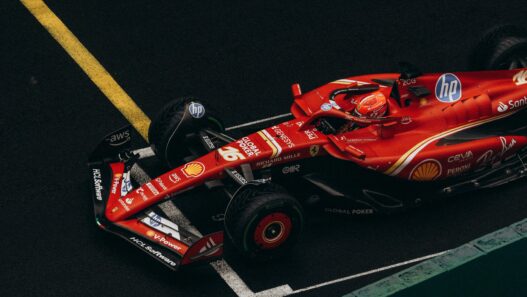
The Monaco Grand Prix circuit measures 3.337 kilometers through Monte Carlo streets, operating since 1929 as Formula 1’s most prestigious race despite being slowest and most overtaking-challenged track on championship calendar where qualifying position determines race results in approximately 60% of Monaco Grands Prix since 1950 given narrow 12-meter width at famous Fairmont Hairpin and barrier proximity throughout creating precision driving challenge impossible at purpose-built modern circuits with runoff areas and overtaking zones. The race uniquely operates Thursday-Sunday schedule (practice Thursday, qualifying Saturday, race Sunday) versus typical Friday-Sunday format, accommodating Monaco’s compact geography and municipal operations requiring weekday city functionality impossible during four consecutive racing days.
The 78-lap race covers 260.5 kilometers with drivers navigating 19 corners at average speeds 160 km/h (compared to 230 km/h at high-speed tracks like Monza or Spa) including Casino Square chicane (where Ayrton Senna famously crashed 1988 while leading by 55 seconds), Swimming Pool complex (three-corner sequence added 1973 on reclaimed land), Tunnel section (only artificially-lit F1 corner where cars accelerate from 100 to 260 km/h in darkness before braking heavily for Nouvelle Chicane), and La Rascasse final corner (where Michael Schumacher controversially stopped during 2006 qualifying). The circuit’s 42-meter elevation change from Sainte-Dévote (first corner at sea level) to Massenet creates additional challenge absent from flat modern circuits, requiring drivers managing steep inclines while maintaining racing lines and managing temperatures in enclosed street environment without cooling airflow benefits of open countryside tracks.
Race Week & Spectator Experience
Monaco transforms during final May weekend (typically May 22-25 in 2026) with principality population temporarily doubling to 200,000+ as grandstand construction begins three months prior, circuit barriers install two weeks before practice, and Port Hercules accommodates 700+ superyachts (versus 400 normal capacity) serving as exclusive hospitality venues for corporate sponsors, team principals, drivers’ families, and ultra-wealthy spectators watching from private vessels rather than grandstands. The atmosphere combines sporting competition with luxury lifestyle display—€50 million yachts berthed meters from racing circuit, champagne flowing throughout race duration, celebrities and business titans mingling at exclusive parties, and Monte Carlo’s compact geography enabling walking between yacht harbor, paddock areas, and grandstand sections creating integrated experience impossible at isolated purpose-built racetracks separated from surrounding communities.
Paddock Club packages cost €7,500-12,000 per person for three-day weekend access including Thursday practice, Saturday qualifying, and Sunday race with amenities including pit lane walks Friday morning before track closure, driver autograph sessions, team garage tours, and rooftop viewing from buildings overlooking Rascasse corner with open bar, gourmet catering, and indoor-outdoor spaces enabling racing viewing balanced with social networking among fellow ultra-wealthy attendees creating business-social environment as important as actual race watching for many Paddock Club participants attending primarily for Monaco Grand Prix’s unique networking opportunities.
Tickets & Viewing Options
General grandstand tickets range €350-850 depending on corner position and sightlines. Grandstand K at Sainte-Dévote (first corner) costs €850 three-day pass offering best chances witnessing race-start incidents, first-lap jockeying, and potential overtaking attempts as drivers brake from 250 km/h to 100 km/h entering tight right-hander. Grandstand T at Tabac corner provides €650-750 pricing with straight-line speed views. Swimming Pool grandstands cost €550-700 with elevated positions overlooking three-corner complex. Budget options include Rocher Général Admission standing areas at €350 three days offering various Monaco-Ville viewing positions but requiring early arrival (06:00) securing good spots before crowds fill limited capacity.
Balcony and apartment viewings at private residences overlooking circuit sell through agencies at €2,000-8,000 per person depending on location and amenities, providing comfortable private viewing with catering, bathrooms, and casual atmosphere versus grandstand formality though lacking mobility to experience different corners throughout race day. Yacht berth rental during race week costs €1,500-3,000 per meter meaning 30-meter vessels pay €45,000-90,000 for the week regardless of whether occupants attend race or simply berth in harbor capitalizing on Monaco Grand Prix prestige. Tickets through official sources at Formula1.com/Monaco sell out 6-12 months advance with secondary market prices reaching 200-300% above face value as race date approaches given limited supply and extraordinary global demand for Monaco’s legendary street circuit experience.

Monaco-Ville: Medieval Old Town on Le Rocher
Monaco-Ville occupies Le Rocher (The Rock), a 60-meter limestone promontory jutting into Mediterranean serving as principality’s original settlement since Ligurian tribes inhabited the defensive position in 10th century BC, later fortified by Genoese creating medieval fortress captured 1297 by François Grimaldi establishing Grimaldi family rule continuing 728 years to present. The medieval quarter maintains pedestrian-only cobblestone streets preserving 13th-16th century character with main artery Rue Comte Félix Gastaldi lined by souvenir shops, restaurants serving Monégasque and Provençal cuisine, and galleries selling local art including Monaco Grand Prix posters, royal family commemoratives, and yacht photography catering to tourist traffic visiting Prince’s Palace and Cathedral creating commerce supporting Monaco-Ville’s role as principality’s historic-cultural heart.
The district houses Monaco’s governmental institutions despite compact 0.2 square kilometer area—Minister of State offices in Palais de Justice (judicial palace), National Council chamber where 18 elected members serve four-year terms legislating within constitutional constraints preserving princely authority, and numerous administrative offices managing Monaco’s operations concentrated in medieval buildings combining original stonework with modern bureaucratic functionality. The architectural preservation maintains Monaco-Ville’s character as living historic quarter versus museum-piece emptied of practical functions, though tourist presence and souvenir shop proliferation create tension between authentic governance operations and commercial exploitation of Monaco’s royal-medieval heritage attracting 3+ million annual visitors to compact 2.02 square kilometer principality.
Prince’s Palace & Changing of the Guard
The Prince’s Palace dominates Monaco-Ville’s highest point at 65 meters elevation, originating as Genoese fortress built 1191 to control Mediterranean shipping lanes and trade routes passing Monaco’s strategic position. The fortress capture by François Grimaldi 1297 (disguised as Franciscan monk, commemorated in Monaco coat of arms showing two monks holding swords) established Grimaldi sovereignty maintained through diplomatic maneuvering, strategic marriages, and French protectorate relationships surviving as Europe’s smallest sovereign monarchy alongside Liechtenstein. Current ruler Prince Albert II (reigned since 2005) represents 33rd generation direct descent from François Grimaldi creating remarkable dynastic continuity rivaling only British monarchy and a few other European houses for longevity and historical persistence.
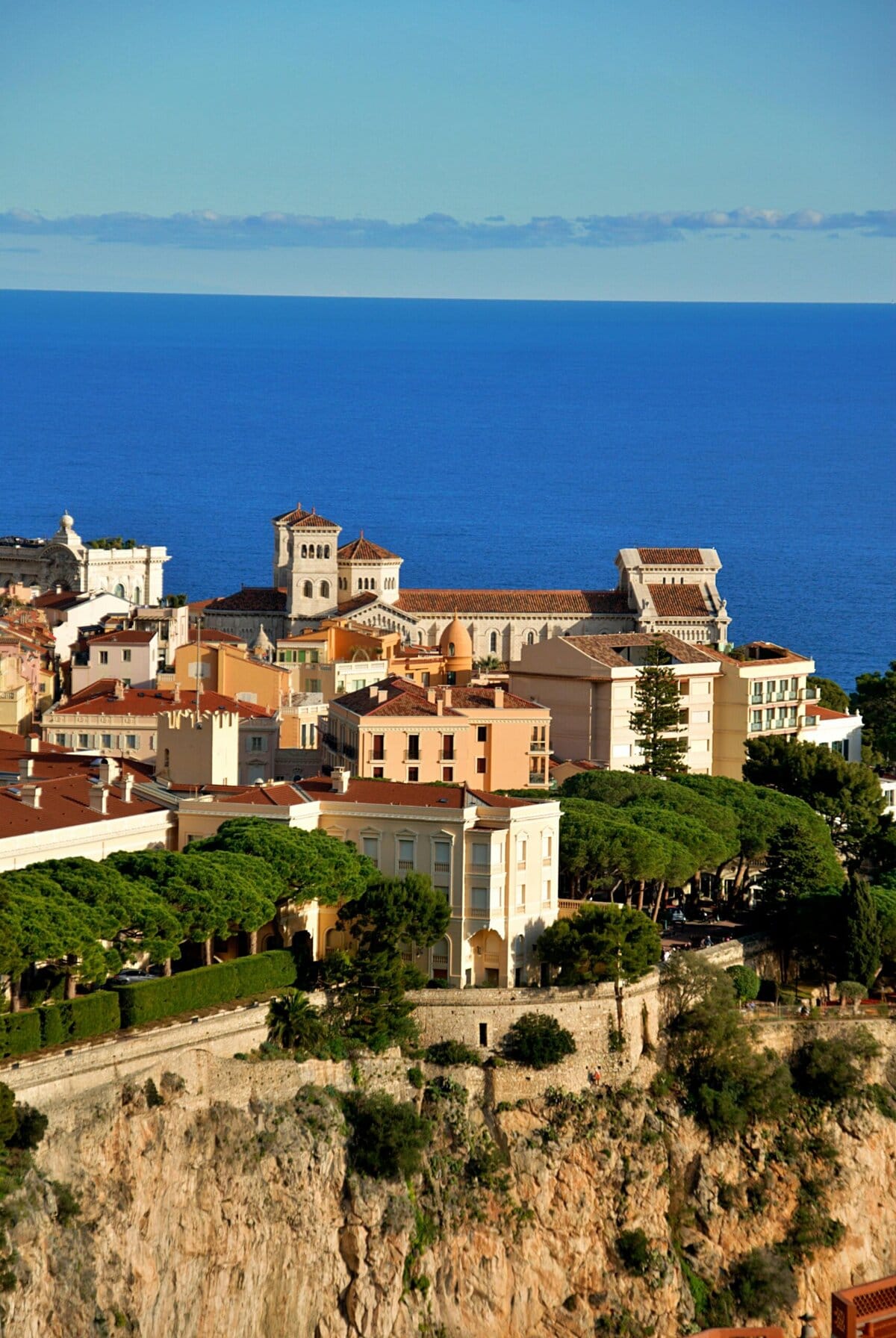
State Apartments open April-October 10:00-18:00 (€10 adults, €5 children 8-14, free under 8) displaying Throne Room with Louis XV gilt furniture and tapestries depicting Alexander the Great military campaigns, Blue Room where Prince Rainier III married Grace Kelly civil ceremony April 18, 1956 before subsequent cathedral religious wedding, Officers’ Room containing portraits of every Grimaldi prince from 13th century to present documenting family succession and diplomatic relationships, and Palatine Chapel featuring 16th-century altar painting by Louis Bréa showing Madonna and Child with local Monaco-specific iconographic details reflecting principality’s religious culture. The self-guided audio tour (included in €10 entry) requires 30-45 minutes covering 12 State Apartment rooms with photography prohibited protecting tapestries and artworks from light damage and maintaining palace dignity versus tourist attraction character.
Changing of the Guard ceremony occurs daily 11:55 in Palace Square (not traditional noon timing due to 19th-century practice allowing guards reaching lunch by 12:00, maintaining quirky schedule today), lasting 5 minutes as Compagnie des Carabiniers du Prince (royal guard unit established 1817, 116 members) performs precision drill in white summer uniforms (April-October) or blue winter uniforms wearing distinctive plumed helmets while tourists crowd square perimeter photographing ceremony. The guards’ role combines ceremonial palace protection with actual security functions, requiring French or Monaco nationality, military training, and rigorous selection maintaining elite unit status beyond pure theatrical performance for tourist entertainment.
Cathedral & Princess Grace Tomb
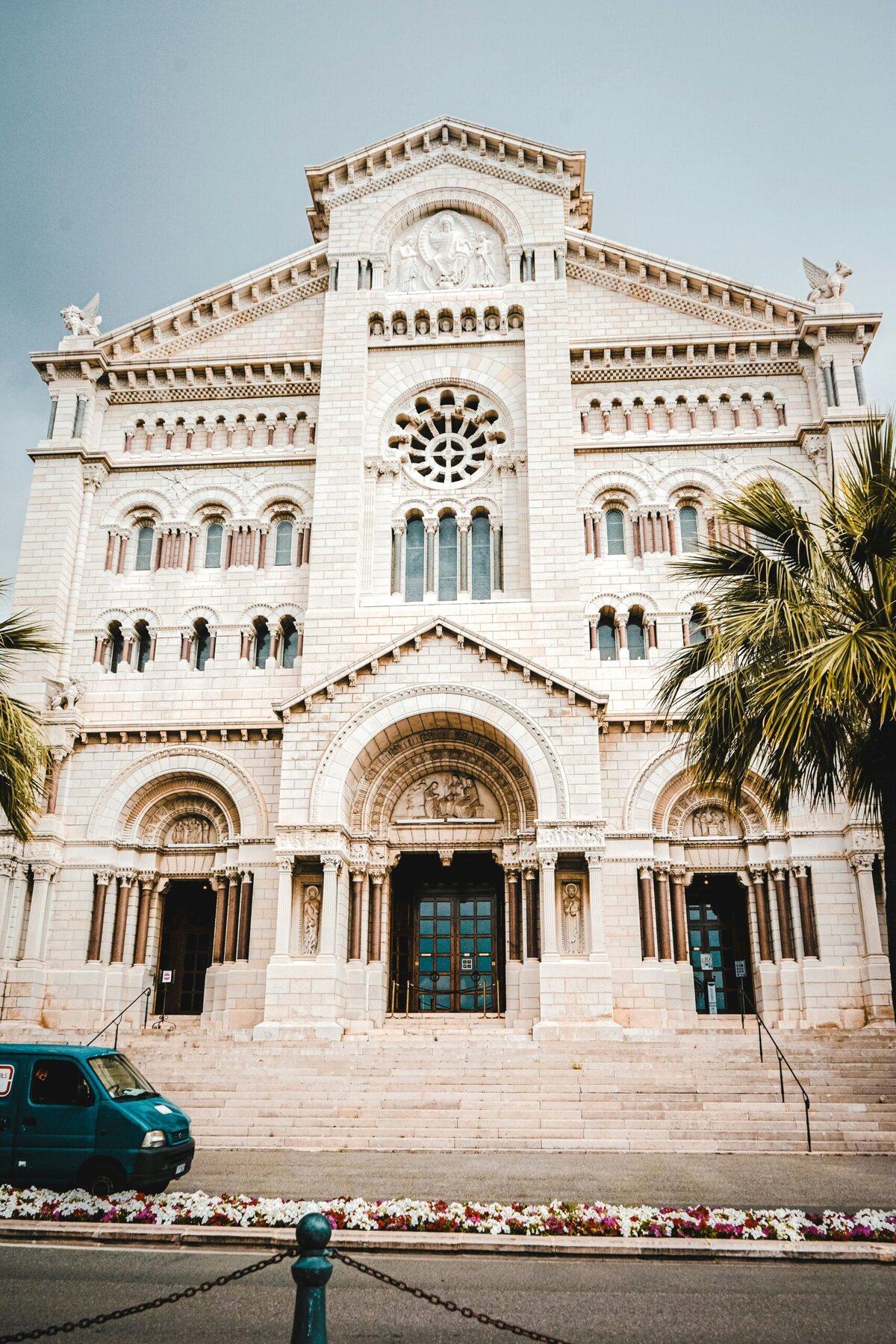
The Cathedral of Our Lady Immaculate (Cathédrale de Monaco) stands 100 meters from Prince’s Palace, constructed 1875-1884 using white La Turbie stone replacing 13th-century church previously occupying site. The Romanesque-Byzantine style creates distinctive architectural character versus Monaco-Ville’s predominantly medieval vernacular, with façade featuring rose window, twin bell towers, and sculptural details depicting religious scenes. Interior showcases neoclassical simplicity—white stone columns, barrel-vaulted ceiling, marble floors, and natural light through large windows creating luminous atmosphere contrasting medieval dimness typical of earlier Catholic churches emphasizing mystery over enlightenment aesthetic principles.
The crypt houses tombs of deceased Grimaldi princes and princesses, most notably Princess Grace (Grace Kelly) whose grave attracts daily flower-bearing visitors honoring Hollywood actress who became Monaco’s princess consort after marrying Prince Rainier III 1956. Her simple tomb inscription “Gratia Patricia, Principis Rainerii III Uxor” (Patricia Grace, Wife of Prince Rainier III) reflects royal protocol’s formal Latin versus emotional personal remembrance, though continuous fresh flowers demonstrate enduring public affection for princess who died tragically September 1982 car accident on Moyenne Corniche road at age 52 when vehicle plunged down mountainside, shocking Monaco and worldwide admirers who viewed Grace Kelly as embodiment of Monaco’s transformation from obscure principality to international glamour destination.
Cathedral entry remains free 08:30-18:00 daily with Mass celebrated in French Sundays 10:00 and featuring Monaco Boys’ Choir performances during Christmas and Easter seasons. The cathedral hosts royal family events—weddings, baptisms, funerals—maintaining traditional Catholic ceremonies despite Monaco’s contemporary international secular character, providing continuity with principality’s religious heritage and Grimaldi dynasty’s historical identification with Catholic monarchy throughout centuries when religious affiliation determined political legitimacy and dynastic relationships across European courts.
Oceanographic Museum: Marine Science Institution
The Oceanographic Museum rises 85 meters from Mediterranean sea level on Monaco-Ville’s southern cliff face, constructed 1899-1910 using 100,000 tons of white La Turbie limestone under Prince Albert I’s direction as pioneering marine research institution when oceanography emerged as scientific discipline versus amateur natural history hobby. The building’s foundation extends directly into cliff rock with exterior featuring bas-relief sculptures depicting sea creatures, explorers, and Prince Albert I’s research vessels creating monumental scientific institution reflecting Monaco’s 19th-century ambitions transcending gambling-taxation reputation through cultural-scientific contributions rivaling larger European powers.
The facility operates dual functions as public aquarium attracting 600,000+ annual visitors generating €12 million revenue supporting operations, and active research center housing International Atomic Energy Agency Marine Environment Laboratory conducting studies on ocean acidification, marine radioactivity following nuclear testing, Mediterranean ecosystem health monitoring, and climate change impacts on coral reefs. The research mission maintains Prince Albert I’s founding vision of Monaco contributing meaningful marine science versus pure tourist entertainment, hosting annual Scientific Centre conferences gathering oceanographers, marine biologists, and climate scientists from 40+ countries presenting research findings and coordinating international ocean monitoring programs.
Aquarium Collection & Key Holdings
The aquarium displays 6,000 specimens across 90 tanks totaling 6 million liters divided into Mediterranean basin showcasing local species (octopus demonstrating intelligence solving puzzles and escaping tanks, moray eels, grouper, sea bream, Mediterranean seahorses) and tropical lagoon exhibits featuring Caribbean coral formations, Indo-Pacific reef fish (clownfish, angelfish, butterfly fish), and specialized environments recreating specific ecosystems. The shark lagoon holds 450,000 liters populated by six species including sand tiger sharks (2.5 meters), nurse sharks, blacktip reef sharks, and zebra sharks with underwater viewing tunnel allowing 360-degree observation of shark behavior, feeding patterns (public feedings Tuesday/Thursday/Saturday 11:00), and social interactions within mixed-species tank creating dramatic viewing experiences attracting families and school groups.
Touch tank enables supervised interaction with Mediterranean species—sea cucumbers, starfish, sea urchins, small rays—under aquarist guidance teaching marine biology basics and conservation messages emphasizing ecosystem fragility and human impact on ocean environments. The educational mission reflects museum’s commitment beyond pure entertainment to fostering ocean awareness and environmental stewardship, particularly important given Mediterranean’s vulnerability to pollution, overfishing, and climate change affecting Monaco’s immediate marine environment and regional ecosystem supporting principality’s luxury tourism economy dependent on attractive clean coastline.
Historical Collections & Jacques Cousteau Legacy
Upper exhibition halls display Prince Albert I’s oceanographic instruments from 28 scientific expeditions 1885-1915 aboard research vessels Hirondelle and Princesse Alice including deep-sea sampling devices retrieving specimens from 6,000 meters depth (remarkable engineering achievement for 19th-century technology), navigation charts documenting Arctic and Antarctic voyages, and preserved marine life specimens collected during expeditions creating comprehensive survey of global ocean biodiversity predating modern marine biology by decades establishing Monaco’s pioneering role in oceanographic research.
The museum’s association with Jacques Cousteau (director 1957-1988) transformed underwater exploration from specialized technical diving to mainstream public awareness through television documentaries, popular books, and technological innovations. Cousteau developed scuba diving equipment (Aqua-Lung), underwater photography techniques, submersible vehicles, and marine documentary filmmaking while based at Oceanographic Museum, creating “The Undersea World of Jacques Cousteau” television series (1968-1976) reaching millions globally and revolutionizing ocean conservation consciousness. Exhibition galleries feature Cousteau’s original equipment prototypes, underwater cameras, and video clips from his groundbreaking documentaries demonstrating technological-media convergence advancing marine science from elite specialty to popular environmental movement.
Visiting Information
Museum entry costs €19 adults, €12 children 4-12, free under 4, with annual passes €45 providing unlimited access including special exhibitions on topics like plastic ocean pollution, coral reef restoration programs (Monaco actively funds Indo-Pacific coral research), and deep-sea exploration documenting extreme environments. Hours: 10:00-19:00 July-August, 10:00-18:00 September-June requiring 90-120 minutes for thorough visit covering aquarium, historical collections, temporary exhibitions, and rooftop terrace restaurant La Terrasse (€25-45 lunch, €45-75 dinner) serving Provençal cuisine featuring local seafood with panoramic Mediterranean views across Monaco’s entire territory and Italian coastline visible 10 kilometers northeast on clear days. Audio guides available French/English/Italian/German/Spanish for €3 though exhibition text panels already provide multilingual information making audio guides optional versus essential for non-French speakers.
Port Hercules: Superyacht Capital
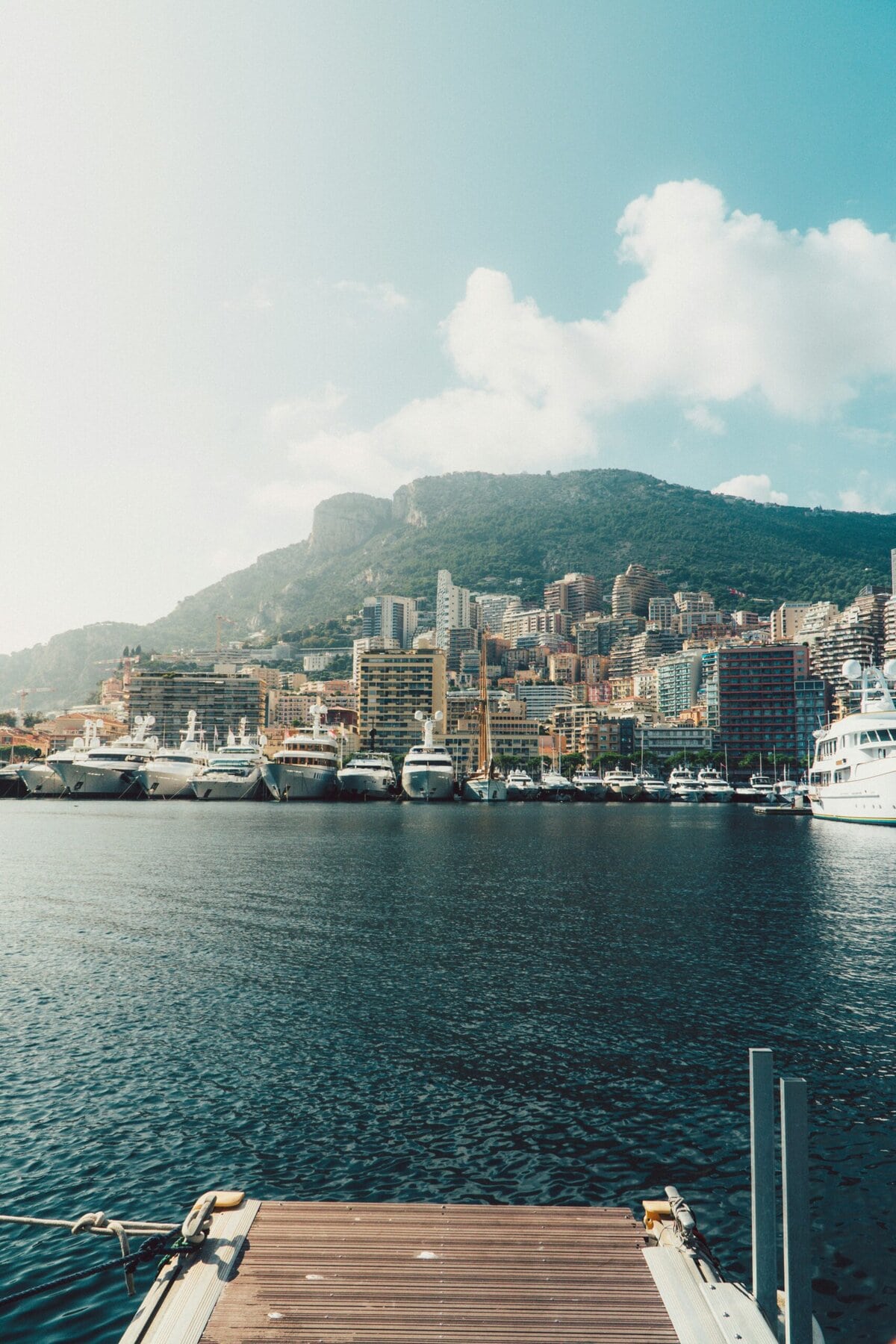
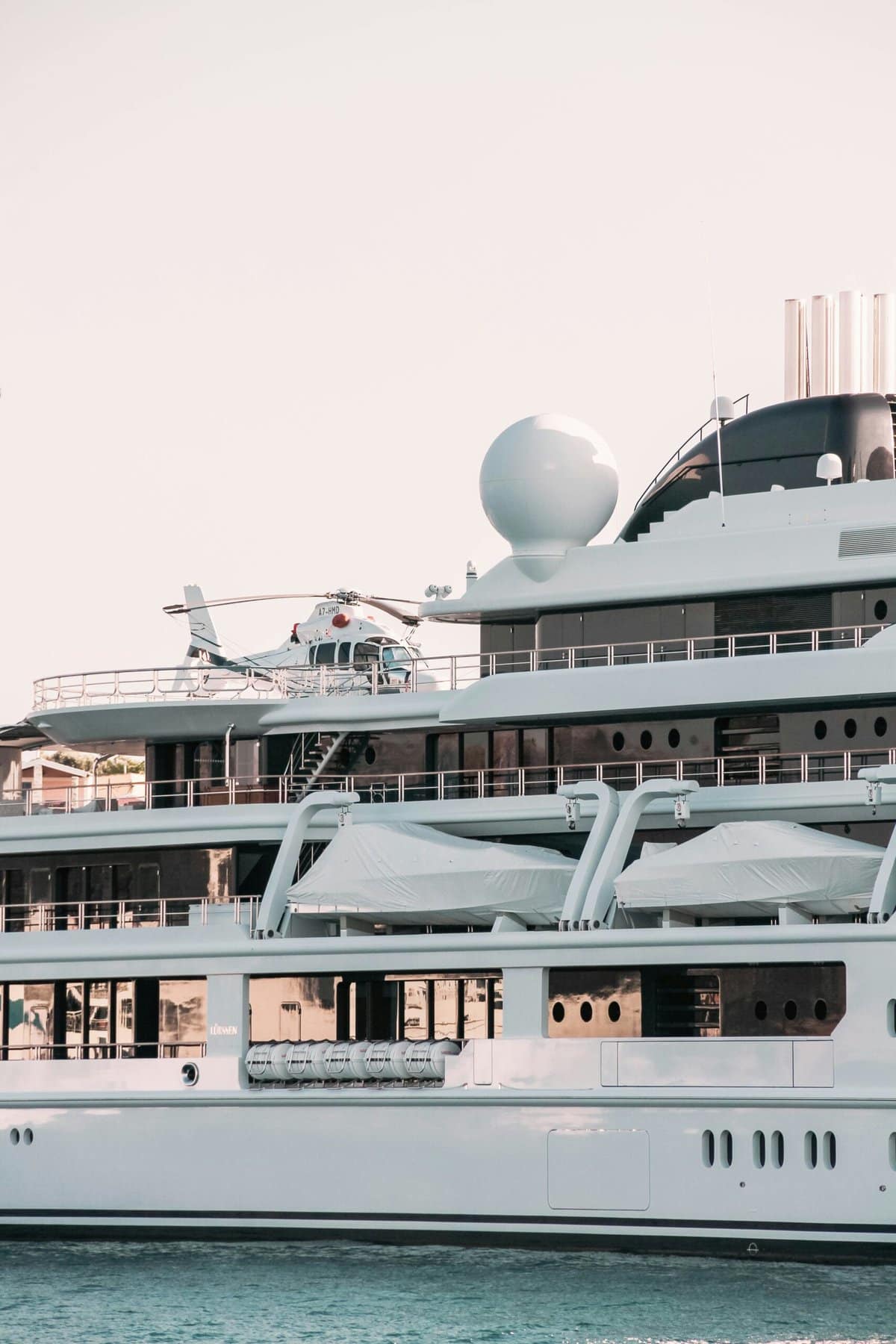
Port Hercules operates as Mediterranean’s premier superyacht harbor offering 700 berths accommodating vessels 20-170 meters within natural deep-water harbor protected by 352-meter breakwater completed 1926, with annual berth fees ranging €1,200-15,000+ per meter depending on vessel length, seasonal demand (premium rates May Grand Prix, September Yacht Show, Christmas-New Year), and prime positioning near Casino Square commanding higher rates than outer harbor sections. The harbor’s superyacht concentration creates extraordinary wealth display—berthed vessels average €35 million valuation with notable regulars including 88-meter Maltese Falcon (€100 million, world’s largest sailing yacht), 115-meter yacht A (€300 million, Philippe Starck futuristic design), and numerous 50-80 meter vessels belonging to Russian oligarchs, Middle Eastern royalty, American tech billionaires, and European industrialists using Monaco as Mediterranean base for summer Riviera season.

The harbor divides into three functional sections: La Condamine quay (commercial berths, restaurants, shops serving yacht crews and maritime businesses), Rainier III nautical basin (smaller pleasure craft 8-20 meters, local residents’ boats), and main yacht harbor where vessels over 30 meters berth stern-to along quayside allowing public promenade walking within meters of €50 million+ superyachts enabling extraordinary wealth observation impossible in restricted private marinas typical of most exclusive yachting destinations. The public access philosophy reflects Monaco’s confidence in security (CCTV surveillance, police presence) and recognition that superyacht spectacle attracts tourism supporting broader economy beyond pure marina fees, creating win-win where yacht owners accept public proximity in exchange for prestigious Monaco berth and principality benefits from maritime tourism enhancing luxury destination branding.
Monaco Yacht Club & Annual Yacht Show
Monaco Yacht Club occupies distinctive angular building (Norman Foster design, opened 2014) on harbor’s eastern edge, operating as private members club (€4,000 annual dues, invitation-only membership) hosting regattas, sailing championships, social events, and serving as unofficial headquarters for superyacht owners and captains networking among peers. The club’s restaurant and bar provide harbor-view venues for maritime business discussions, charter arrangements, crew hiring, and social interactions creating closed world of ultra-wealthy yacht owners and professional captains managing €50-200 million floating assets requiring specialized knowledge impossible for outsiders penetrating without membership access or yacht ownership credentials.
Monaco Yacht Show (late September annually, four days) displays €3+ billion superyacht valuation across multiple harbor sections with 125+ vessels 25-90 meters exhibited by brokers, builders, designers attracting serious buyers (minimum €10 million purchase capacity), industry professionals, and curious wealthy visitors. Entry requires accreditation proving marine industry connection or demonstrated financial capacity, filtering out casual tourists and maintaining business-focused environment where deals close, relationships form, and maritime commerce thrives. The show operates as superyacht industry’s premier event rivaling Fort Lauderdale International Boat Show as global yachting commerce epicenter, leveraging Monaco’s luxury brand, Mediterranean attractiveness, and concentrated ultra-wealthy population creating optimal sales environment impossible in conventional boat show venues lacking Monaco’s exclusive atmosphere.
Yacht Charter & Dining
Yacht charter from Monaco enables Mediterranean cruising with captain, crew, fuel, and insurance included in daily rates: 25-30 meter yachts cost €8,000-15,000 per day (6-8 guests), 35-45 meter vessels €18,000-35,000 (8-10 guests), 50-70 meter superyachts €75,000-150,000 (12-14 guests), and 80+ meter megayachts €200,000-500,000+ daily (16-20 guests) with additional costs for provisions, dockage, and special requests. Week-long charters typically include cruising Portofino (85 nautical miles east, 6 hours), Saint-Tropez (75 nautical miles west, 5.5 hours), Corsica (110 nautical miles south, 8 hours), and Sardinia (200 nautical miles south, 15 hours) creating comprehensive western Mediterranean experiences combining Monaco base with extended cruising exploring French-Italian-Corsican-Sardinian coastlines impossible to access comprehensively via land-based travel.
Harborside restaurants including Quai des Artistes (€35-65 per person, Italian-French seafood), La Salière (€25-45, Provençal cuisine), and Stars ‘N’ Bars (€15-28, American sports bar) provide dockside dining with outdoor terraces positioned for yacht observation, sunset views, and Mediterranean atmosphere combining casual dining with luxury spectacle where diners consuming €40 meals sit meters from €80 million yachts creating extraordinary juxtaposition. The restaurants maintain year-round operations serving yacht crews, Monaco residents, and tourists versus seasonal closures typical of Riviera establishments dependent on summer tourism, reflecting Monaco’s permanent population and stable economy supporting consistent demand beyond pure vacation traffic.
Tax Haven Status & Residency Requirements
Monaco levies zero personal income tax on residents regardless of worldwide income sources, capital gains, wealth accumulation, dividends, or inheritance (except assets located outside Monaco jurisdiction), creating extraordinary fiscal advantage attracting ultra-wealthy individuals from high-taxation countries seeking legitimate tax optimization within legal European framework. The tax exemption dates to 1869 under Prince Charles III attracting wealthy Europeans to Monaco’s Mediterranean climate while simultaneously funding principality operations through resident consumption spending, real estate transactions, banking fees, and corporate taxation replacing personal income tax revenue typical of conventional jurisdictions. Monaco participates in European Union customs union despite non-member status, adopted Euro currency, and maintains French protectorate relationship while preserving sovereign taxation independence creating hybrid arrangement enabling European economic integration without surrendering tax haven positioning driving wealthy resident attraction.
Corporate taxation applies only to businesses generating over 25% revenue outside Monaco territory (33.33% rate matching French corporate tax under treaty obligations), while companies conducting business exclusively within principality borders pay zero corporate tax incentivizing Monaco-focused enterprises. VAT matches French rates (20% standard, 5.5% reduced for essentials) collected by Monaco government and not shared with France unlike customs duties which flow to French treasury under customs union agreements. The tax structure creates environment where wealthy individuals enjoy zero personal taxation while businesses serving local Monaco market operate tax-free, and only companies with external revenue streams face taxation preventing pure shell-company abuse while maintaining legitimate business operations serving principality’s needs.

Obtaining Monaco Residency
Monaco residency requires demonstrating financial self-sufficiency through minimum €500,000 bank deposit in Monaco-licensed financial institution (larger amounts recommended given cost of living), securing rental accommodation contract (studios start €3,000 monthly, two-bedroom apartments €7,000-12,000, three-bedroom €15,000-25,000+), and passing criminal background checks from country of origin preventing criminals using Monaco as refuge despite tax benefits. Application processing requires 3-6 months with successful applicants receiving renewable residence permits (Carte de Séjour) valid three years initially, extending to 10-year cards after maintaining continuous residence demonstrating long-term commitment versus pure tax-avoidance schemes using Monaco as legal domicile while actually residing elsewhere creating enforcement issues authorities actively prevent through residency verification requirements.
Monaco citizenship through naturalization requires 10 years continuous residence, French language proficiency, demonstrated integration into Monaco society, and princely approval making citizenship extremely rare (approximately 20-30 granted annually from hundreds applications) with residency providing identical tax treatment and practical benefits making citizenship pursuit unnecessary for most wealthy residents satisfied with permanent resident status. The distinction matters primarily for voting rights (citizens elect National Council, residents cannot vote) and passport (Monaco citizens hold Monaco passports enabling visa-free travel though most residents maintain home country citizenship and passports given Monaco’s non-recognition by many countries requiring visa arrangements complicating international travel for Monaco passport holders).
Real Estate Market & Living Costs
Monaco real estate averages €47,400 per square meter (€4,740 per square foot) ranking as world’s most expensive residential market ahead of Hong Kong Central (€32,000/m²), London Mayfair (€28,000/m²), and New York Manhattan (€25,000/m²) reflecting extreme demand from wealthy residency seekers competing for limited supply within 2.02 square kilometer territory where new construction proves impossible given complete geographic development leaving only redevelopment or building-height increases (resisted by residents preferring current skyline) as supply mechanisms. Studio apartments (25-35m²) range €1.2-1.8 million, two-bedroom units (60-80m²) €3.5-6 million, three-bedroom apartments (100-120m²) €8-15 million, and penthouses (150-250m²) €20-60 million with exceptional properties commanding €100 million+ like Tour Odéon penthouse selling €300 million (2016) setting global residential price records.
Foreign nationals own 78% of Monaco properties with French citizens comprising 28% of residents, Italian 19%, British 8%, American/Canadian 5%, and others 40% creating extraordinary international composition where native Monégasque citizens represent under 10,000 of 38,000 population making Monaco more international than any major global city. The demographic creates multilingual environment—French official language, English business lingua franca, Italian spoken by nearby populations, Monégasque dialect (Ligurian derivative) maintained culturally but rarely used daily—enabling international residents functioning comfortably without French fluency though official government business requires French creating integration pressures balancing cosmopolitan character with linguistic heritage preservation.
Exotic Garden & Observatory Cave
Jardin Exotique (Exotic Garden) occupies cliff-top position in Moneghetti quarter 98 meters above sea level, displaying 7,000+ succulent and cactus specimens from Mexico, Southwest USA, South America, and South Africa thriving in Monaco’s mild Mediterranean microclimate where winter temperatures rarely drop below 5°C enabling outdoor cultivation of species requiring greenhouse protection in colder climates. The garden opened 1933 under Prince Louis II showcasing botanical collections alongside spectacular views, creating dual-purpose attraction combining horticultural interest (botanists studying adaptation mechanisms, photographers capturing unusual plant forms) with scenic vistas spanning Monaco’s complete territory from Fontvieille harbor to Monte Carlo demonstrating principality’s compact geography visible entirely from single elevated vantage point impossible in conventional cities requiring multiple viewpoints capturing complete urban area.
Walking paths wind through terraced gardens featuring century-old specimens—20-meter tall Euphorbia canariensis (Canary Island spurge), massive Agave americana clusters (century plants), rare Aloe pillansii from South African deserts (endangered in native habitat, thriving Monaco cultivation), and diverse Cactaceae family representatives displaying extreme desert adaptations. The garden’s cliff-edge positioning creates dramatic photo opportunities combining exotic plants with Mediterranean backdrop and Monaco cityscape, particularly effective during golden-hour lighting (one hour before sunset) when warm tones enhance desert plants’ sculptural qualities against blue sea and white buildings creating extraordinary visual contrasts impossible to achieve in conventional botanical gardens lacking Monaco’s geographic drama.
Observatory Cave & Anthropology Museum
Grotte de l’Observatoire (Observatory Cave) extends beneath Exotic Garden, accessed via 300 descending steps leading 98 meters into limestone cavern formed 200,000 years ago during Quaternary period by water erosion creating subterranean chambers decorated with stalactite and stalagmite formations. The 300-meter accessible cave system features notable formations including “Romeo and Juliet” columns (two 5-meter stalagmites nearly touching after 150,000 years growth), Cathedral Room (40 meters long with 15-meter ceiling), and underground pools reflecting ceiling formations creating mirror images doubling visual impact. Guided tours depart every 20 minutes requiring 30 minutes for descent, cave exploration, and return climb (not wheelchair accessible given stairway-only access), with guide explaining geological processes, formation timescales, and archaeological discoveries made in cave systems.
Archaeological excavations 1884-1912 uncovered 300,000-year-old stone tools, animal bones from cave bears and woolly rhinoceros, and evidence of Neanderthal occupation demonstrating Monaco’s human habitation predating modern humans by 250,000+ years establishing region as continuously inhabited location throughout human prehistory. The Museum of Prehistoric Anthropology located at garden entrance displays excavation findings—Upper Paleolithic tools, cave art replicas, bone fragments from extinct megafauna (cave hyenas, giant deer, woolly mammoths), and reconstructions contextualizing Monaco’s geological and settlement history spanning 400,000 years from earliest human presence through Neanderthal-modern human transition to Mediterranean civilizations establishing current population patterns.
Visiting Information
Combined entry to Exotic Garden, Observatory Cave, and Anthropology Museum costs €7.80 adults, €3.90 children/students, free under 6, with garden open 09:00-19:00 May-September, 09:00-17:00 October-April operating year-round given Monaco’s mild winter climate maintaining exotic plant displays impossible in colder European locations requiring seasonal closures. Bus line 2 from Monte Carlo station reaches Exotic Garden in 12 minutes (€2 single fare, departures every 15 minutes), while walking requires 25 minutes uphill through residential neighborhoods from Casino Square creating cardiovascular challenge offset by neighborhood architecture viewing and decreasing tourist density as elevation increases away from Monte Carlo’s concentrated attractions. The site suits visitors seeking alternative Monaco experiences beyond casino-yacht-palace highlights, appealing to botanists, geology enthusiasts, photography buffs capturing unique exotic-Mediterranean combinations, and those wanting comprehensive Monaco understanding including natural history foundations underlying current luxury-tourism character.
Day Trips & Regional Connections
Monaco’s French Riviera position enables diverse day trip opportunities throughout coastal region, inland Provence, and Italian destinations creating comprehensive southern Europe exploration from Monaco base avoiding constant accommodation changes while maintaining luxury principality lodging as operational headquarters. Understanding practical day trip options and timing enables maximizing regional access during Monaco-centered visits.
Nice: Primary Gateway City
Nice France sits 15 kilometers west (20 minutes train €5.10, 7 minutes helicopter €130-160 per person) operating as larger Riviera hub offering Promenade des Anglais 7-kilometer beachfront, Marc Chagall National Museum, Cours Saleya market, Vieux Nice historic quarter, Russian Orthodox Cathedral, and Matisse Museum creating full-day cultural-beach combination. Nice provides complementary Monaco experience—authentic French Riviera city life versus Monaco’s artificial luxury concentration, accessible pricing (meals €15-35 versus Monaco €25-65), beach atmosphere impossible in yacht harbor-focused Monaco, and comprehensive museum collections exceeding Monaco’s specialized Oceanographic focus. Day trips enable experiencing both destinations’ distinct characters—Monaco’s extreme wealth concentration and Nice’s broader Riviera authenticity—creating balanced French Riviera understanding impossible limiting visits to single location.
Menton & Italian Border
Menton occupies French-Italian border 10 kilometers northeast (15 minutes train €3.10, stunning coastal views) showcasing Jean Cocteau Museum (€10, artist’s works and biographical materials), Basilica of Saint-Michel (17th-century baroque church), Serre de la Madone gardens (Lawrence Johnston design featuring Mediterranean-subtropical plants), and February Lemon Festival (Fête du Citron) displaying sculptures created from 140+ tons of citrus fruits celebrating regional lemon cultivation. The town maintains authentic French Riviera character versus Monaco’s international luxury positioning, offering quieter pace, lower costs, and traditional Mediterranean architecture creating pleasant half-day excursion accessible via train enabling multi-destination day trips combining Menton morning exploration with Monaco afternoon returns.
Èze Village & Grande Corniche
Èze village occupies medieval mountaintop perch 8 kilometers northwest (20 minutes bus line 82 €2 from Monaco, or included in Nice-Monaco taxi/chauffeur tours) featuring narrow cobblestone streets, artisan perfumeries (Fragonard, Galimard offering factory tours and fragrance creation workshops), stone buildings clinging to cliffsides, and Exotic Garden at summit (427 meters elevation) providing 360-degree views across French Riviera, Monaco, and Mediterranean creating spectacular photography locations. The Grande Corniche road (famous from Hitchcock’s “To Catch a Thief” starring Cary Grant and Grace Kelly) climbs 550 meters above Mediterranean offering dramatic coastal driving through La Turbie village housing Trophy of the Alps (Roman monument 6 BC celebrating Augustus Caesar’s Alpine conquest) creating scenic touring impossible via faster A8 autoroute coastal route. Organized tours from Monaco include Èze-La Turbie-Grande Corniche combinations (half-day €60-100 per person) providing transportation, guide commentary, and photo stops maximizing limited touring time versus self-drive navigation challenges on narrow mountain roads.
Regional Connections: Italy & Beyond
Milan Italy requires 4h15 train via Genoa (€45-75 depending on connections and booking advance) enabling overnight Milan visits combining fashion-business capital exploration with Monaco luxury though day trips prove overly rushed given travel time consuming half-day leaving insufficient Milan museum-shopping hours. Verona Italy sits 380 kilometers northeast (6 hours train via Milan) creating overnight destination versus practical day trip. Lake Como Italy requires similar timing (5 hours via Milan) making these Italian destinations multi-day excursions from Monaco base rather than quick day trips, though helicopter charter enables same-day visits for ultra-wealthy travelers justifying €15,000-25,000 helicopter costs accessing remote Italian lakes, Piedmont wine country, or Swiss Alps from Monaco morning departures with evening returns creating extraordinary touring flexibility impossible conventional transport.

Best Hotels in Monaco
Monaco hotel scene centers on luxury properties reflecting principality’s ultra-wealthy positioning, with limited mid-range options and virtually no budget accommodations given real estate values and target clientele creating challenging environment for cost-conscious travelers typically staying Nice and visiting Monaco as day trip versus overnight experiences. Understanding hotel positioning enables selecting lodging matching specific priorities from historic palace luxury to practical contemporary comfort.
Historic Palace Luxury: Hôtel de Paris Monte-Carlo
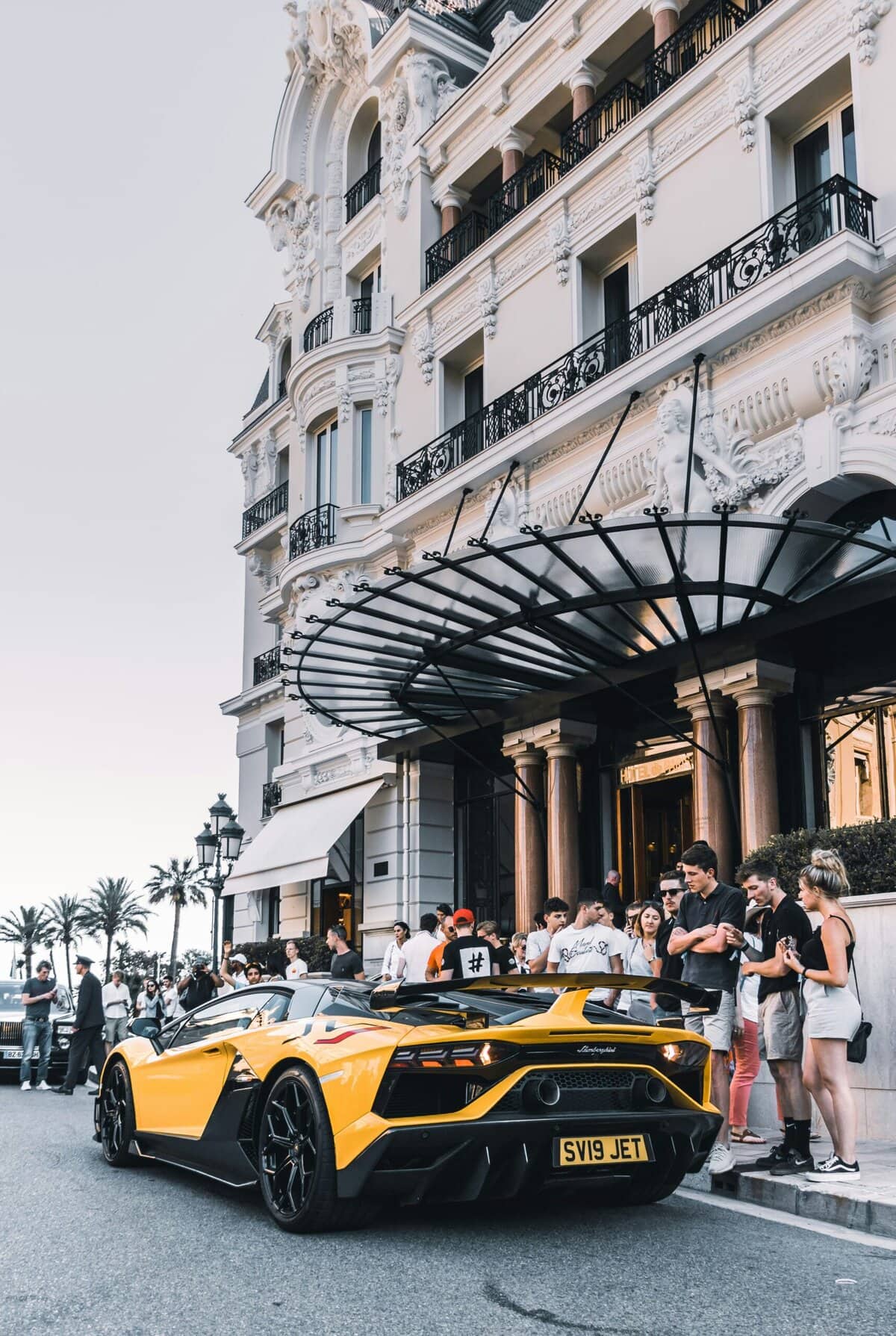
Hôtel de Paris occupies Casino Square directly facing Monte Carlo Casino, operating since 1864 as Monaco’s flagship luxury property and Société des Bains de Mer jewel property. The 209-room hotel completed €300 million renovation 2019 creating contemporary rooms (€850-2,100 per night standard doubles, €2,800-25,000 suites) while preserving Belle Époque public spaces including Salle Empire dining room, historic wine cellar containing 350,000 bottles (one of Europe’s largest), and ornate architectural details throughout. The hotel houses Le Louis XV-Alain Ducasse restaurant (three Michelin stars since 1990, €285-395 tasting menus), Le Grill rooftop restaurant, Salon Rose afternoon tea venue, and Bar Américain cocktail lounge creating comprehensive dining-social infrastructure enabling guests remaining onsite for meals and evening entertainment versus venturing to external Monaco restaurants.
Direct connection to Thermes Marins Monte-Carlo spa (4,000 square meters, seawater therapy pools, hammam, cryotherapy, exclusive treatments using Dior, La Prairie products) provides resort-like amenities impossible at conventional city hotels, while Casino Square positioning enables walking to Monte Carlo Casino (30 seconds), Port Hercules yacht harbor (5 minutes), and luxury shopping (2 minutes) creating optimal central location. The hotel suits luxury travelers, special occasions (proposals, anniversaries, milestone birthdays), those prioritizing historic atmosphere and prime location over contemporary design aesthetics, and guests seeking comprehensive resort experience within urban Monaco environment without requiring mobility between hotel and attractions given everything accessible within immediate vicinity.
Waterfront Contemporary: Monte-Carlo Bay Hotel & Resort
Monte-Carlo Bay occupies Larvotto waterfront position 2 kilometers east of Casino Square, providing 334 rooms (€380-950 per night) around lagoon-style pool with sand beach, Mediterranean-style resort atmosphere, multiple restaurants including Blue Bay (one Michelin star, Caribbean-Mediterranean fusion €95-145 per person), and direct access to public Larvotto beach creating beach-resort experience impossible at Monte Carlo central properties given yacht harbor focus versus swimming beaches. The hotel appeals to families (pool and beach activities for children), wellness seekers (extensive spa facilities), and those preferring resort relaxation over central Monte Carlo’s business-formal atmosphere where casino, banking, and luxury shopping dominate versus Larvotto’s recreational character.
Modern Design: Hôtel Hermitage Monte-Carlo
Hôtel Hermitage presents Belle Époque architecture 200 meters from Casino Square, offering 278 rooms (€550-1,800 per night) with several featuring Port Hercules yacht harbor views, Eiffel-designed glass-iron cupola winter garden, and underground passage connecting to Thermes Marins spa and Sporting Monte-Carlo nightclub eliminating weather exposure for spa access or evening entertainment. The property balances historic character with modern comfort avoiding pure historic preservation creating museum-atmosphere versus livable elegant spaces, appealing to travelers seeking architectural beauty and luxury amenities without Hôtel de Paris’s €1,000+ nightly rates or ultra-premium positioning attracting celebrities and global business elite creating intense social hierarchy and formality pressures some guests find uncomfortable.
Practical Mid-Range: Novotel Monte Carlo
Novotel occupies Larvotto business district (€180-320 per night, 218 rooms) providing practical comfort without luxury pretensions—rooftop pool with Monaco views, free parking (extraordinary value given €3.50 per hour typical charges), 15-minute walk to Casino Square, contemporary chain hotel efficiency, and significantly lower pricing versus luxury properties enabling extended stays or budget allocation to activities/dining versus accommodation excess. The hotel suits business travelers, families requiring multiple rooms (luxury properties prove prohibitively expensive for families of four-six people), and pragmatic tourists prioritizing activity spending over sleeping quarters where time spent proves minimal given extensive external touring versus lounging in hotel common areas justifying luxury property premiums. The parking inclusion particularly benefits self-drive wine country visitors requiring vehicle storage impossible at central Monaco properties where parking garages charge €40-60 daily.
Dining & Cuisine: Michelin Stars to Casual
Monaco dining showcases Provençal-Mediterranean cuisine with Italian influences given Italian border proximity, ranging from six Michelin-starred establishments to casual harborside bistros creating comprehensive spectrum serving principality’s diverse population and visitor base. Understanding dining options and typical pricing enables appropriate restaurant selection matching budget and culinary ambitions.
Michelin-Starred Fine Dining
Le Louis XV-Alain Ducasse at Hôtel de Paris maintains three Michelin stars since 1990 (among Europe’s longest continuous three-star ratings), serving Mediterranean haute cuisine €285-395 tasting menus featuring regional ingredients prepared with technical precision—langoustines, white Alba truffles October-November, turbot with caviar, local vegetables from Provence farms—in Belle Époque dining room maintaining formal atmosphere where jacket-tie dress code enforces year-round and service proceeds with Michelin-level polish. Reservations essential 2-4 weeks advance during peak seasons (May Grand Prix, summer July-August, December holidays) with walk-in attempts proving futile given limited seating and global demand for Ducasse’s flagship restaurant.
Blue Bay at Monte-Carlo Bay Hotel holds one Michelin star for Caribbean-Mediterranean fusion (€95-145 tasting menus), combining Provence ingredients with Caribbean spice profiles and preparations creating distinctive cuisine impossible to categorize as purely French or Mediterranean—lobster with vanilla, black cod with miso, exotic fruit desserts—in contemporary dining room with bay views. Elsa at Monte-Carlo Beach Hotel operates world’s first 100% organic Michelin-starred restaurant (€155 tasting menu), sourcing ingredients exclusively from certified organic producers within Monaco and surrounding Provence creating farm-to-table sophistication while maintaining Michelin standards proving organic limitations need not compromise quality when executed with skill and investment.
Mid-Range Dining Options
Harborside restaurants around Port Hercules provide mid-range dining with yacht views creating atmosphere complementing food quality. La Salière (€25-45 per person) serves Provençal cuisine including bouillabaisse (Mediterranean fish stew), sea bass grilled with fennel, beef tenderloin with Béarnaise sauce, in casual indoor-outdoor setting where locals and tourists mix avoiding pure tourist-trap character despite harbor prime positioning. Quai des Artistes (€35-65) offers Italian-French seafood with terrace overlooking superyachts featuring lobster risotto, grilled sea bream, catch-of-the-day market pricing creating flexible menus adapting to seasonal availability and Mediterranean fishing patterns.
Monaco-Ville restaurants cater to palace-museum visitors with moderately priced traditional fare. Le Pinocchio (€22-38 per person) provides Monégasque specialties including barbajuan (fried pastry filled with Swiss chard and ricotta, Monaco’s national dish), stockfish (dried cod stewed with tomatoes, traditional Ligurian-Monégasque preparation), and fougasse (olive-oil flatbread with anchovies) creating authentic local cuisine versus international hotel restaurant menus. The pricing reflects tourist traffic but maintains reasonable levels given limited Monaco-Ville competition and captive audience visiting Prince’s Palace and Cathedral requiring meal options within walking distance versus returning to Monte Carlo restaurants.
Budget & Casual Options
Budget dining proves challenging given Monaco’s luxury positioning, though several options enable cost-conscious meals under €20 per person. Stars ‘N’ Bars American sports bar near Port Hercules (€15-28 for burgers, ribs, chicken wings, salads) provides casual atmosphere with large portions, multiple televisions broadcasting sporting events, and relaxed dress code contrasting Monaco’s elegant restaurant formality. Rosa Salva patisserie operates multiple locations serving sandwiches, quiches, salads, pastries €6-12 enabling quick lunches between museum visits. Casino supermarket and Carrefour (Fontvieille commercial center) offer prepared foods, picnic supplies, and ingredients for self-catering at Larvotto beach or Exotic Garden creating meals €5-10 per person for determined budget travelers.
Condamine Market (Marché de la Condamine) operates 07:00-14:00 daily except Monday selling fresh produce, cheese, charcuterie, prepared foods from Provence farmers and Italian suppliers with food stalls offering socca (chickpea flatbread €3), pissaladière (caramelized onion tart €4), grilled seafood skewers €8-15, and local specialties creating market-style lunching atmosphere. The market provides authentic food shopping experience where Monaco residents purchase ingredients versus tourist restaurant dependence, revealing principality’s working population beyond pure luxury tourism facade visible in Casino Square and Port Hercules yacht display.
Larvotto Beach District
Larvotto quarter encompasses Monaco’s only beach area stretching 400 meters along Mediterranean coast east of Port Hercules, providing public beach access (imported sand creating artificial beach given Monaco’s natural rocky coastline), seasonal facilities including showers, changing cabanas, lifeguard supervision June-September, and beach clubs offering lounge chair rental €25-45 per day with beverage service creating coastal resort atmosphere within compact principality. Free beach sections remain available western and eastern ends where visitors spread towels without rental fees, though prime mid-beach positions require paying beach club concessions controlling best sand areas and providing amenities justifying charges for comfort-seeking tourists.
Larvotto Esplanade runs parallel to beach lined by apartment buildings housing ground-floor restaurants, gelato shops, and Larvotto sporting complex containing indoor Olympic pool (€6.50 day pass enabling lap swimming and facilities usage), tennis courts (€25 per hour), squash courts, and fitness center creating recreational infrastructure serving residents and visitors seeking athletic activities beyond pure beach lounging. The esplanade maintains year-round activity given Monaco’s mild climate enabling beach usage October-May for brave swimmers and sunbathers tolerating cooler Mediterranean temperatures, though July-August represents peak season when beach crowds maximize and water temperatures reach comfortable 24-26°C versus 14-16°C winter minimums requiring hardy constitutions or wetsuits.
Florian K.
Japanese Garden & Cultural Venues
Japanese Garden occupies 7,000 square meters at Larvotto’s eastern end, designed by landscape architect Yasuo Beppu (1994) featuring traditional Japanese garden elements including Shinto shrine, tea ceremony pavilion, cascading waterfalls over rocks, koi pond stocked with 150+ nishikigoi (ornamental carp), stone lanterns, carefully pruned pines, and gravel patterns creating authentic Japanese aesthetic principles of asymmetry, borrowed scenery (shakkei incorporating surrounding Monaco skyline), and prescribed viewing paths guiding visitors through designed experiences versus random wandering typical of European gardens. Entry remains free (09:00-sunset daily), providing tranquil contrast to Monaco’s casino-yacht-wealth energy and demonstrating principality’s cultural range beyond pure luxury consumption to aesthetic contemplation and landscape design sophistication.
Grimaldi Forum occupies reclaimed land between Larvotto and Port Hercules operating as cultural-convention center hosting art exhibitions (Picasso, Chagall, Impressionist retrospectives), classical music concerts, ballet performances, and Monte-Carlo Spring Arts Festival (March-April) presenting international companies including Bolshoi Ballet, Mariinsky Orchestra, Vienna Philharmonic. The 35,000 square meter venue combines commercial convention business (corporate events, trade shows generating revenue) with cultural programming (subsidized by principality maintaining artistic offerings impossible through pure commercial operations) creating hybrid institution serving Monaco’s economic and cultural aspirations demonstrating sophistication beyond gambling-yachting stereotypes.
Helicopter & Executive Transport
Despite Monaco’s compact 2.02 square kilometer size creating limited internal transport needs, comprehensive helicopter and chauffeur services operate connecting principality to broader French Riviera, Alps, and European destinations enabling ultra-wealthy residents and visitors maintaining mobility expectations impossible via commercial transport. Understanding executive transport options enables incorporating luxury services into Monaco visits for those justifying premium pricing through time-efficiency or experiential value.
Helicopter Charter Routes & Pricing
Monacair operates scheduled helicopter flights from Monaco Heliport to Nice Airport (7 minutes, €130-160 per person), Cannes Mandelieu (15 minutes, €180-240), Saint-Tropez (25 minutes, €320-410) providing timetabled service eliminating private charter costs for solo travelers or couples willing to fly scheduled timings versus custom departures. The scheduled service operates high-frequency during summer season (May-September, flights every 15-30 minutes peak hours) and reduced winter schedule (October-April, hourly service) reflecting seasonal demand patterns and Monaco’s permanent resident base maintaining year-round operations impossible at pure vacation destinations closing entirely winter months.
Private helicopter charter enables flexible scheduling and custom itineraries at premium pricing. Monaco-Nice requires 6 minutes (€2,500-4,500 per aircraft, Airbus H125 or Bell 407, 6 passengers maximum), Monaco-Cannes 15 minutes (€5,000-8,000), Monaco-Saint-Tropez 25 minutes (€8,000-12,000), Monaco-Courchevel Alps ski resort 75 minutes (€15,000-25,000), Monaco-Geneva 90 minutes (€18,000-30,000). Extended routes include Monaco-Zurich Switzerland 90 minutes (€25,000-35,000), Monaco-Basel Switzerland Art Basel access 100 minutes (€28,000-40,000), and Monaco-Turin Piedmont wine country 60 minutes (€12,000-18,000) creating comprehensive European helicopter network centered on Monaco as Mediterranean aviation hub.
Wine Region Helicopter Tours
Helicopter wine tours to Provence, Rhône Valley, Piedmont, or Tuscany provide ultimate luxury wine tourism combining aerial sightseeing, rapid multi-winery access, and dramatic perspectives impossible via ground transport. Typical itineraries include 60-90 minute flights visiting 2-3 wineries with gourmet lunch (€500-800 per person, minimum 4 passengers), or full-day programs (€5,000-10,000 entire helicopter, 4-6 passengers) including extended tastings, Michelin-starred dining, and comprehensive regional exploration. The services particularly suit special occasions (proposals, milestone birthdays, corporate entertainment), serious wine collectors accessing boutique producers requiring appointments and impossible to visit efficiently ground transport, or ultra-wealthy tourists where helicopter costs represent insignificant percentage of overall Monaco vacation budgets exceeding €50,000 per person weekly spending.
Executive Ground Transport
Luxury chauffeur services operate Mercedes S-Class, BMW 7-Series throughout Monaco and region at €80-120 per hour (3-hour minimum) for airport transfers, restaurant transportation, shopping assistance, or multi-day rental. Full-day rates (8-10 hours) cost €650-900 including fuel and driver expenses, suitable for Provence wine touring, Italian Riviera exploration, Alps access, or comprehensive Riviera visits eliminating self-drive navigation challenges and enabling passenger wine consumption without designated driver limitations. Some services accept cryptocurrency payment given Monaco’s fintech concentration and wealthy tech entrepreneur resident base. For comprehensive European executive transport options, see detailed chauffeur services guide.
Private jet services utilize Nice Airport (30 kilometers from Monaco) as primary base given Monaco’s runway absence, with light jets (Citation CJ3, Phenom 300) costing €3,000-5,000 per flight hour for 6-7 passengers, midsize jets (Hawker 800XP, Citation XLS) €5,000-8,000 per hour for 8-9 passengers, and large-cabin jets (Gulfstream G550, Bombardier Global 6000) €10,000-15,000 per hour for 12-14 passengers. Popular routes include Monaco-London 2 hours (€12,000-18,000), Monaco-Moscow 4 hours (€40,000-60,000), Monaco-Dubai 6 hours (€70,000-95,000). Helicopter ground transfer Monaco to Nice Airport jet terminals requires 7 minutes (€2,500-4,500) creating seamless Monaco-based private aviation access despite runway infrastructure absence through Nice Airport proximity and helicopter connectivity.
Shopping & Luxury Retail
Monaco shopping concentrates in Golden Circle district surrounding Casino Square, Avenue des Beaux-Arts, and Avenue de Monte-Carlo featuring luxury fashion boutiques, jewelry houses, watch specialists, and designer brands maintaining Monaco locations despite principality’s small population given tourist spending, tax-advantaged resident purchases, and brand prestige associated with Monte Carlo addresses competing with Paris, Milan, London luxury shopping streets globally.
Luxury Fashion & Jewelry
Major luxury brands cluster Casino Square vicinity including Hermès (leather goods, silk scarves, Kelly/Birkin handbags starting €8,000+, limited availability creating waitlists for signature pieces), Chanel (haute couture, 2.55 handbags, No. 5 perfume), Louis Vuitton (luggage, accessories, ready-to-wear, Monaco-exclusive pieces), Cartier (fine jewelry, watches, Love bracelet €1,550+, Tank watches €3,000-50,000+), Dior (fashion, beauty, Monaco-specific designs), Prada, Gucci, Valentino creating comprehensive luxury shopping concentration enabling complete wardrobe purchases within 300-meter radius. The boutiques maintain multilingual staff (English, French, Italian, Russian, Mandarin) accommodating international clientele and offer private shopping appointments for high-value transactions, tax refund processing for non-EU residents, and after-hours access for confidential jewelry purchases exceeding €50,000 requiring discretion impossible during public hours.
Watch specialists include Bucherer (official Rolex, Patek Philippe, Audemars Piguet retailer displaying rare pieces and limited editions), Chronopassion (independent watchmaker boutique featuring Greubel Forsey, F.P. Journe, MB&F, other haute horlogerie brands), and Chopard flagship (Monaco Grand Prix limited editions, high jewelry watches, Happy Diamonds collections) creating comprehensive luxury watch shopping rivaling Geneva or Hong Kong as global watch retail destination. The watch concentration reflects Monaco’s wealthy resident base, Grand Prix timing during important watch collector gathering season, and principality’s prestige enabling brands justifying Monaco store operations despite limited local population through tourist traffic and global publicity value.
Mid-Range Shopping & Practical Retail
Métropole Shopping Center in Carré d’Or quarter houses 80+ shops across four levels including Zara, Massimo Dutti, Sephora, Fnac electronics, Marks & Spencer, and various mid-market brands creating practical shopping versus pure luxury excess dominating Casino Square. The center operates rooftop terrace with Mediterranean views and dining options (Japanese, Italian, French cuisine €18-45 per person) providing meal breaks during extended shopping sessions. Fontvieille commercial center near Monaco Heliport provides everyday retail including Carrefour supermarket, pharmacies, hardware stores, service providers functioning as Monaco residents’ practical shopping zone versus Monte Carlo’s tourist-oriented luxury boutiques.
Monaco’s 19.6% VAT rate (matching France under customs union) applies to all purchases, though non-EU residents can claim VAT refunds on purchases exceeding €100.01 when exporting goods outside European Union. The tax refund process requires presenting receipts, passport, and purchased goods at Nice Airport customs desk before departure with refunds processed 3-4 weeks later to credit cards, recovering 13-16% of purchase price after processing fees creating meaningful savings on significant luxury purchases. Luxury boutiques provide tax refund paperwork assistance and coordinate shipping for purchases exceeding airline luggage allowances, particularly important for furniture, artwork, large jewelry pieces bought during extended Monaco visits requiring professional logistics versus passenger hand-carrying.
Year-Round Events Calendar
Monaco’s compact geography concentrates high-profile events into annual calendar leveraging principality’s luxury positioning, international connections, and sophisticated infrastructure supporting world-class occasions impossible in similarly-sized locations lacking Monaco’s wealth, expertise, and glamour associations. Understanding key events enables strategic visit timing attending specific happenings or avoiding peak periods creating accommodation shortages and premium pricing.
Major Annual Events
Monaco Formula 1 Grand Prix (late May, typically May 22-25 in 2026) operates as principality’s highest-profile event attracting 200,000+ visitors, temporary population quadrupling, and international media coverage establishing Monaco’s global prominence through televised racing reaching 500 million viewers worldwide creating marketing value impossible to quantify but certainly exceeding €100 million equivalent advertising cost. The four-day weekend transforms Monaco completely—grandstand construction beginning March, circuit barriers appearing mid-May, yacht harbor capacity expanding 75%, hotel rates increasing 300-500%, and accommodation booking requiring 6-12 months advance during Grand Prix versus normal 1-2 week lead times creating extraordinary demand peak.
Monaco Yacht Show (late September, four days) displays €3+ billion superyacht valuation attracting serious buyers (minimum €10 million purchase capacity), industry professionals (designers, builders, brokers, captains), and wealthy visitors exploring latest marine technology. The show operates as superyacht industry’s premier event rivaling Fort Lauderdale International Boat Show for global yachting commerce, with 125+ vessels 25-90 meters exhibited and $500+ million sales transacted during show creating significant economic impact beyond pure marina fees and demonstrating Monaco’s continuing relevance to ultra-wealthy maritime sector despite limited principality size and aging infrastructure competing with modern facilities in Dubai, Singapore, Florida.
Cultural & Seasonal Events
Monte-Carlo Spring Arts Festival (March-April) presents classical music, ballet, opera performances at Grimaldi Forum and Opera Garnier featuring international companies including Bolshoi Ballet, Mariinsky Orchestra, Vienna Philharmonic, plus contemporary dance, theatrical productions, and multimedia performances creating comprehensive arts festival rivaling major European cultural events (Edinburgh, Salzburg, Bayreuth) while maintaining Monaco luxury positioning attracting arts patrons, classical music enthusiasts, and cultural tourists seeking sophisticated programming beyond casino-yacht stereotypes.
Monaco National Day (November 19) celebrates Prince Albert II’s accession with military parade, cathedral mass featuring princely family attendance, Oceanographic Museum fireworks display, and public festivities throughout principality creating rare opportunity observing royal protocol and Monégasque patriotic expression typically invisible to tourists experiencing Monaco as international luxury destination versus sovereign nation-state maintaining political identity and civic traditions despite overwhelming foreign resident majority. Christmas season (December) transforms Casino Square with Christmas market, ice skating rink, and illumination displays creating festive atmosphere though modest scale compared to major European Christmas markets (Strasbourg, Vienna, Munich) given Monaco’s space limitations and year-round tourist operations versus seasonal event dependency.
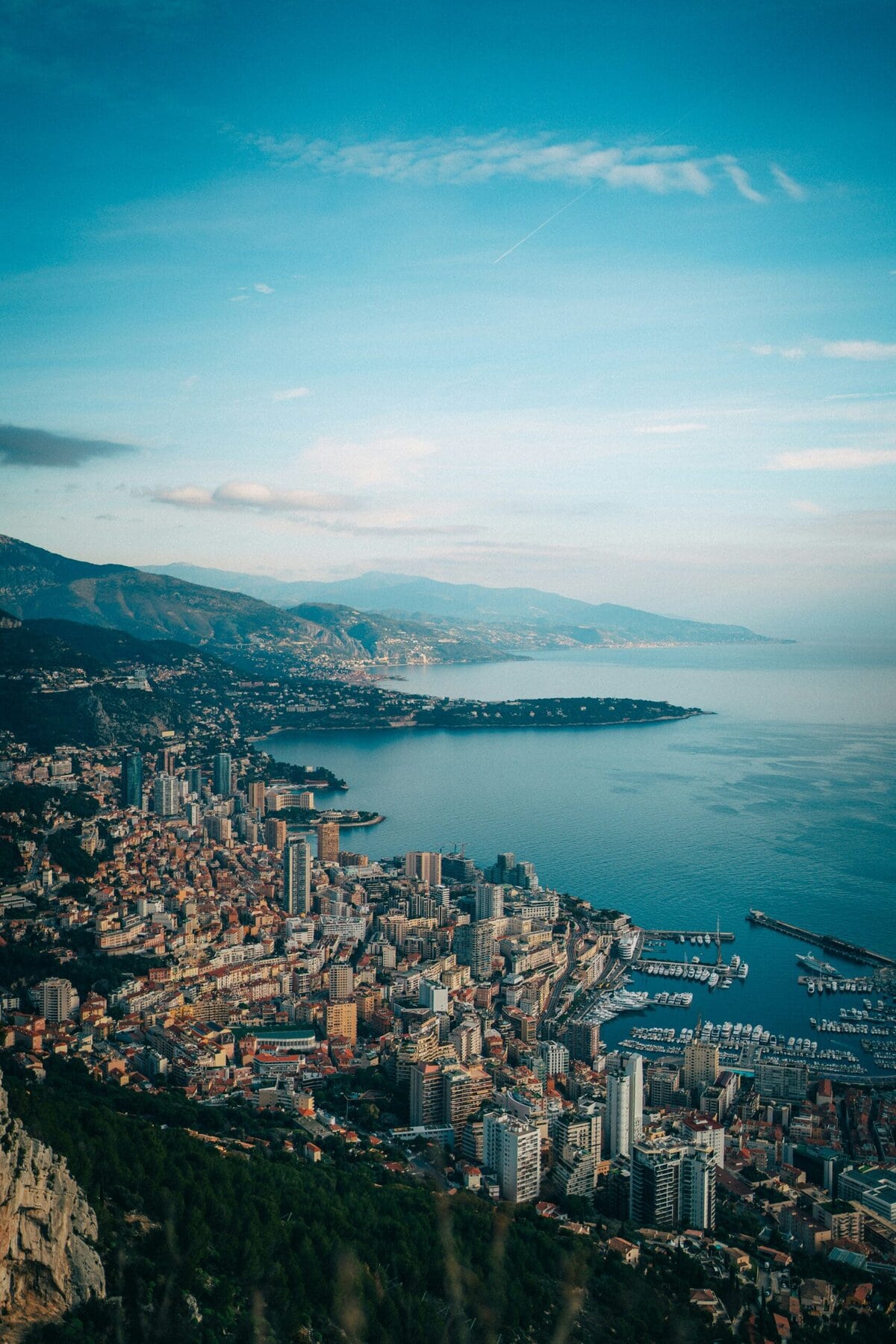
Costs & Budgeting: Three Travel Styles
Monaco operates at extreme pricing levels ranking among Europe’s most expensive destinations across accommodation (average €470 per night versus €150 European average), dining (mid-range dinner €45-75 versus €25-40 typical), and activities creating challenging environment for budget travelers typically avoiding Monaco entirely or limiting to day trips from Nice base. Understanding realistic costs enables appropriate budgeting and travel style selection matching financial capacity versus aspirations exceeding resources creating disappointing underfunded visits attempting luxury experiences on budget allocations.
Budget Conscious (€675 per person, 6 nights)
This tier proves nearly impossible in Monaco given absence of hostels, budget hotels, and limited restaurant options under €25 per person, forcing budget travelers adopting Nice base strategy visiting Monaco as day trips. Allocation breakdown:
Nice budget hotel: €240-360 (6 nights, €40-60 per night doubles, €120-180 per person)
Nice-Monaco trains: €60 round-trip (€10 daily × 6 days)
Monaco casual dining: €200-300 (Nice self-catering breakfast/dinner, Monaco lunches €35-50)
Monaco attractions: €100 (Oceanographic Museum €19, Prince’s Palace €10, Exotic Garden €7.80, walking activities free)
Total per person: €675
This budget requires accepting Monaco as day-trip destination versus overnight luxury, focusing free activities (yacht harbor observation, Casino Square architecture, Monaco-Ville walking, public beaches), and limiting restaurant meals to strategic lunches while self-catering Nice accommodations for breakfast and dinner.
Comfortable Mid-Range (€2,100 per person, 6 nights)
This tier enables authentic Monaco overnight experience with mid-range comfort. Allocation breakdown:
Monaco mid-range hotel: €1,080-1,920 (6 nights Novotel/Columbus, €180-320 nightly, €540-960 per person)
Restaurant dining: €600-900 (mix mid-range €40-60 per meal, occasional Michelin, averaging €100-150 daily)
Attractions & activities: €180-300 (comprehensive museums, Nice day trip €30, bus passes €30, various entries)
Helicopter Nice-Monaco: €260-320 (splurge scheduled flight experience)
Total per person: €2,100-3,440
This tier provides authentic Monaco overnight with comprehensive attractions coverage, quality dining without Michelin extremes, and single helicopter experience creating memorable luxury transport sample. Nice-based alternative reduces accommodation costs 40% reallocating savings to enhanced dining or private wine tour.
Luxury Experience (€8,500 per person, 6 nights)
This tier accesses Monaco’s signature ultra-luxury offerings creating comprehensive billionaire-lifestyle sampling. Allocation breakdown:
Hôtel de Paris/Hermitage: €5,100-10,800 (6 nights, €850-1,800 nightly, €2,550-5,400 per person)
Fine dining: €1,800-3,600 (Michelin venues €200-400 per meal, averaging €300-600 daily)
Helicopter Nice-Monaco: €4,500 (private charter versus €260 scheduled, exclusive arrival)
Monaco-Cannes helicopter: €1,500-3,000 per person (day trip, group split)
Yacht charter half-day: €3,750-7,500 per person (25m vessel, 2-4 passenger split, optional)
Spa treatments: €600-1,200 (Thermes Marins multiple treatments)
Casino gambling: €1,000-10,000 (highly variable, budgeted conservatively €1,000-2,000)
Total per person: €8,500-18,000+
This tier creates authentic ultra-wealthy Monaco experience matching resident lifestyles through luxury accommodation, Michelin dining, helicopter transport, yacht access, and casino participation within financial reach of affluent professionals or special-occasion celebrants justifying significant spending for once-in-lifetime Monaco immersion.
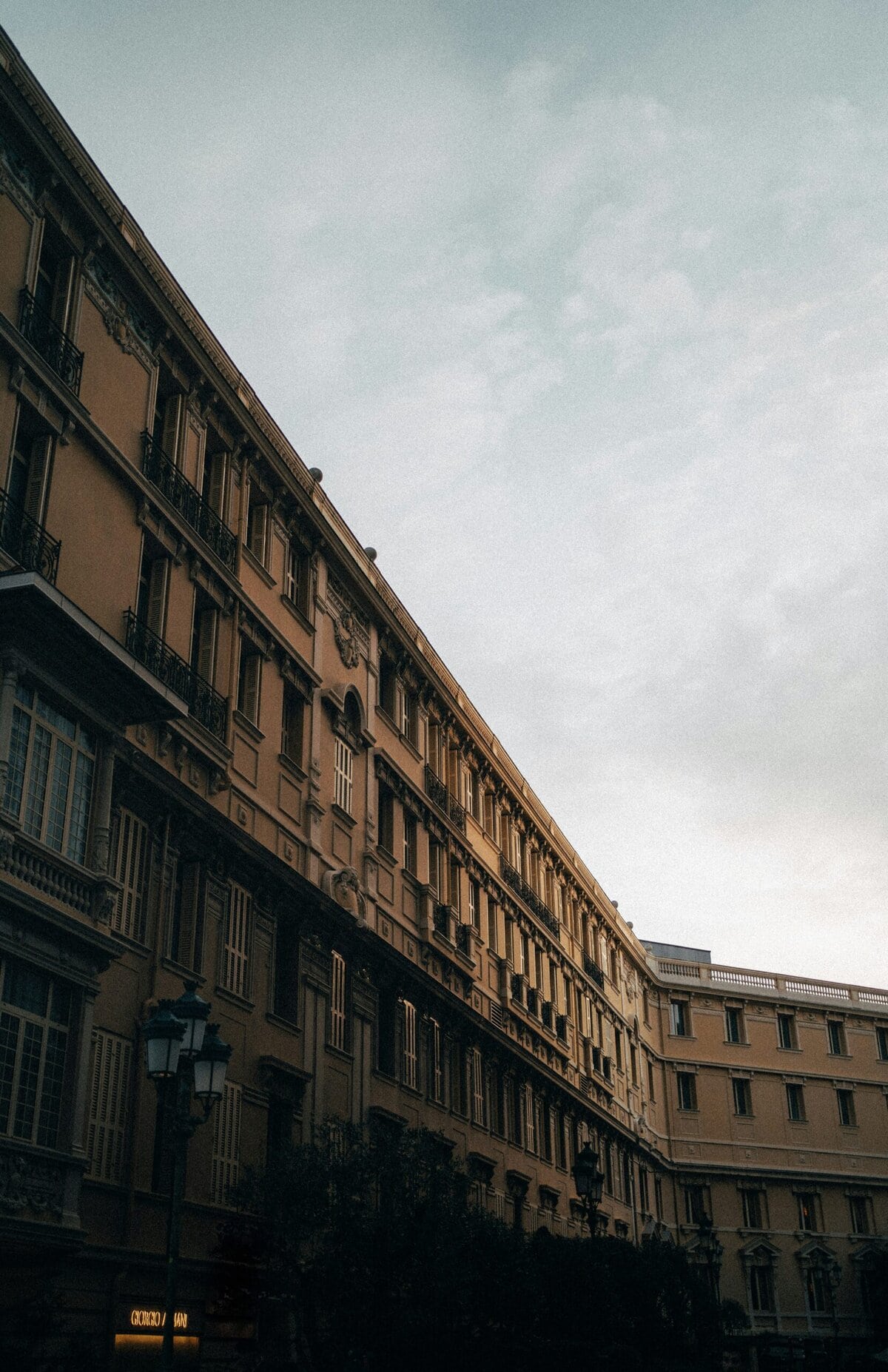
Practical Tips & Local Knowledge
Monaco operates efficiently given compact geography, permanent wealthy resident base maintaining high service standards, and sophisticated international character accommodating visitors from worldwide origins. Understanding practical considerations enables smooth visits maximizing limited vacation time versus learning through trial-and-error creating frustrations avoidable through preparation.
Money & Payments
Monaco uses Euro currency despite European Union non-membership, with ATMs widely available though often charging €3-5 withdrawal fees. Credit cards (Visa, Mastercard, American Express) see universal acceptance in hotels, restaurants, shops, with contactless payment widespread. Cash remains useful for markets, cafés, small purchases under €20, and tipping despite Monaco’s cashless preference given international finance center sophistication. Banking services cater to wealthy residents with minimum deposits €500,000-1,000,000 for account opening at Monaco-licensed institutions, making tourist banking services limited to currency exchange and standard ATM access versus comprehensive relationship banking serving resident millionaires and billionaires managing significant assets through Monaco tax advantages.
Navigation & Public Transport
Monaco operates comprehensive free public bus network (six lines, color-coded routes) connecting all quarters with service 07:00-21:00 enabling complete principality access without walking excessive distances, particularly useful Monaco-Ville clifftop access, Exotic Garden visits, or Larvotto beach transportation. Bus route maps display at all stops with multilingual signage (French, English) and schedules showing departure times, though Monaco’s compact size makes walking feasible for most central attractions—Casino Square to Port Hercules requires 5-10 minutes walk, Casino to Monaco-Ville 15 minutes (or free public elevator shortcutting climb), enabling comprehensive pedestrian exploration given 2.02 square kilometer territory walkable entirely in 2-3 hours moderate pace covering all major landmarks.
Free public elevators and escalators throughout principality assist navigating 42-meter elevation differences, particularly elaborate multi-level system connecting Port Hercules harbor (sea level) to Monaco-Ville (60 meters elevation), and Larvotto to Exotic Garden (98 meters elevation) eliminating steep stair climbing for mobility-limited visitors or those conserving energy for extended walking days. The elevator infrastructure reflects Monaco’s sophisticated urban planning creating pedestrian-friendly environment despite challenging topography that would defeat walkability in less-developed locations lacking vertical transport solutions.
Weather & Best Timing
Monaco enjoys Mediterranean climate with 300 annual sunshine days significantly exceeding Northern European averages, creating year-round pleasant conditions though seasonal variations affect tourism patterns and pricing. May-June combines optimal weather (18-25°C), spring blooming gardens (Exotic Garden particularly attractive), moderate tourist levels before July-August peak, and Monaco Grand Prix excitement (late May) creating excellent though expensive timing. September-October maintains pleasant conditions (18-25°C), reduced summer crowds post-August exodus, yacht show activity (late September), and autumn Mediterranean beauty creating popular shoulder season balancing weather and value. July-August brings peak heat (28-32°C), maximum tourist density, crowded beaches, and highest accommodation rates €150-300 above shoulder season pricing making summer Monaco’s busiest but potentially least pleasant period given crowds and heat. Winter (November-March) sees 8-15°C temperatures, occasional rain, reduced tourist numbers, and 30-50% hotel discounts versus peak summer though many visitors find Monaco’s urban character maintaining appeal year-round versus pure beach destinations losing appeal entirely winter months.
Language & Communication
French operates as official language for government, education, signage, though English sees widespread usage in hotels, restaurants, luxury shops given international tourism and resident base. Italian remains common given border proximity and 19% Italian-origin population. Monégasque dialect (Ligurian derivative) exists as cultural heritage taught in schools but spoken by under 10% population in daily conversation, functioning primarily as symbolic identity marker versus practical communication tool. Most service industry workers speak 2-3 languages fluently (French-English-Italian combinations) enabling English-only tourists navigating Monaco without difficulties at major attractions, hotels, restaurants, though learning basic French courtesies improves interactions showing cultural respect versus presuming universal English accommodation reflecting American-centric attitudes annoying to French-speakers valuing their linguistic heritage.
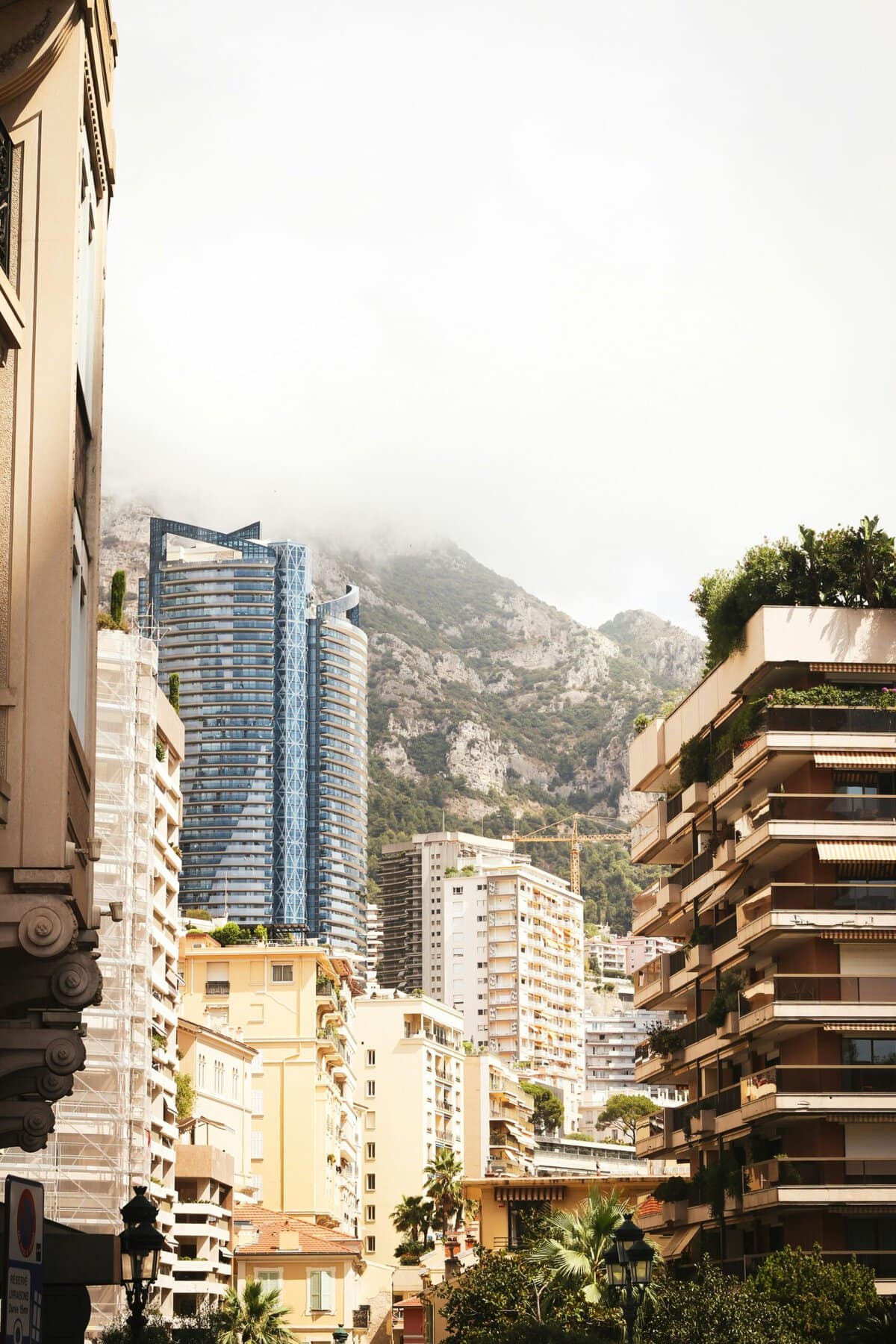
Frequently Asked Questions
Is Monaco worth visiting?
Monaco justifies visiting for travelers interested in experiencing extreme wealth concentration, Belle Époque architecture at Monte Carlo Casino, Formula 1 street circuit geography, superyacht harbor observation, tax haven operations, and Mediterranean luxury lifestyle in compact walkable setting combining multiple attractions within 2-3 hours comprehensive exploration. The principality appeals particularly to luxury travelers, casino enthusiasts, Formula 1 fans, yacht admirers, architecture appreciators, and curious tourists wanting to experience world’s densest millionaire concentration firsthand. However, Monaco disappoints travelers seeking authentic Provençal culture (Nice or Menton prove superior), beach relaxation (limited Larvotto beach versus extensive Nice coastline), budget travel (expensive everything), or extensive cultural attractions (Oceanographic Museum worthy but singular focus versus Nice’s comprehensive museum offerings). The principality works best as 1-2 day experience combined with broader French Riviera touring versus standalone week-long destination given limited geographic size and specialized luxury character lacking diversity supporting extended independent visits.
How many days do you need in Monaco?
Monaco requires 1-2 days for comprehensive standard tourism covering Monte Carlo Casino exterior and optional gaming, Prince’s Palace and Changing of Guard, Monaco-Ville old town, Oceanographic Museum, Port Hercules yacht harbor observation, Casino Square luxury shopping, and Exotic Garden creating full first-day itinerary plus second day for Larvotto beach relaxation, extended museum visits, or Nice day trip. Three days enable adding helicopter experience, extended dining at Michelin restaurants, yacht charter, casino gambling sessions, or slower pace with afternoon spa treatments and luxury hotel enjoyment. Extended Monaco stays (4+ days) typically indicate luxury resort vacation using Monaco as base for regional exploration (Nice, Menton, Èze, Italian border), special event attendance (Monaco Grand Prix, Yacht Show), or ultra-wealthy visitors maintaining residences and living Monaco lifestyle versus touring rapidly between attractions. Most visitors find 1-2 days providing satisfying Monaco exposure balancing major attractions with efficient time usage avoiding extended stays in compact destination lacking diversity for week-long independent exploration.
What is Monaco known for?
Monaco gained global recognition for Monte Carlo Casino (opened 1863, Belle Époque architectural landmark, James Bond filming location), Formula 1 Monaco Grand Prix (world’s most prestigious street circuit since 1929), tax haven status (zero personal income tax attracting 12,000+ millionaire residents), Port Hercules superyacht harbor (700 berths, Mediterranean’s premier yachting center), Grimaldi royal family (ruling since 1297, Grace Kelly marriage 1956 to Prince Rainier III bringing Hollywood glamour), extreme wealth concentration (32% millionaire population, world’s highest density), compact geography (2.02 km², world’s second-smallest country after Vatican City), and Mediterranean luxury lifestyle combining casino gambling, yacht culture, designer shopping, fine dining creating ultimate playground for ultra-wealthy creating global luxury destination brand rivaling Saint-Tropez, Portofino, Marbella for prestige and exclusivity though exceeding all competitors for concentrated wealth and permanent millionaire resident population versus seasonal tourism patterns.
How to get from Nice to Monaco?
Train service from Nice-Ville station reaches Monaco-Monte-Carlo in 20 minutes for €5.10 one-way, departing every 30 minutes throughout day (06:00-23:00) along scenic coastal route through tunnels and viaducts offering Mediterranean views. Bus line 100 operates Nice-Monaco via coastal road in 45 minutes for €1.50, departing Nice Port every 15-20 minutes passing through Villefranche, Èze, Cap d’Ail creating budget option though slower and traffic-dependent versus reliable train. Helicopter transfer requires 7 minutes on Monacair scheduled flights (€130-160 per person) or 6 minutes private charter (€2,500-4,500 per aircraft, 6 passengers) providing dramatic aerial Nice-Monaco perspectives and luxury transport experience justifying premium pricing for special occasions or time-sensitive travelers. Taxi/Uber costs €90-110 for 30-minute drive via A8 autoroute, while executive chauffeur services charge €180-280 for Mercedes S-Class providing door-to-door luxury eliminating train station walks and public transport mixing with budget travelers incompatible with ultra-wealthy lifestyle expectations where €200 chauffeur premium represents insignificant expense versus €10 train fare economy creating class-based transport selection revealing wealth stratification impossible to miss in Monaco’s extreme inequality environment.
Monaco vs Nice: which is better?
Monaco advantages include extreme wealth concentration creating extraordinary superyacht harbor, Monte Carlo Casino Belle Époque architecture, tax haven operations, Formula 1 street circuit, compact walkability, and ultra-luxury experience impossible to replicate elsewhere globally. Nice advantages include 7-kilometer Promenade des Anglais beachfront, comprehensive museum collections (Chagall, Matisse, Modern Art, Marc Chagall Museum), Vieux Nice historic quarter authenticity, significantly lower costs (accommodation 40% cheaper, dining 30-50% less), larger restaurant-shopping selection, and authentic French Riviera character versus Monaco’s international artificial luxury. Budget travelers benefit dramatically from Nice’s reasonable pricing versus Monaco’s extreme costs forcing day-trip visits. Mid-range travelers find Nice offering better value while accessing Monaco easily via 20-minute train. Luxury travelers choosing based on preference: Monaco for exclusive properties (Hôtel de Paris), casino gambling, yacht harbor proximity, and billionaire lifestyle immersion; Nice for beach resort atmosphere, broader cultural attractions, and relaxed Riviera authenticity. Optimal strategy combines both destinations—sleep Nice (cost savings), day-trip Monaco (unique attractions), creating balanced French Riviera experience impossible selecting single location given complementary characters where Monaco provides concentrated luxury spectacle and Nice delivers comprehensive city-beach-culture combination serving diverse interests beyond pure wealth display.
Can you do Monaco as day trip from Nice?
Yes, and highly recommended approach for budget-conscious and mid-range travelers given 20-minute train connection (€5.10) and Monaco’s compact walkable size enabling comprehensive exploration without overnight accommodation. Recommended day-trip itinerary: depart Nice 09:00 train, arrive Monaco 09:20, Oceanographic Museum 09:30-11:30, Monaco-Ville walking and Prince’s Palace 11:30-13:00, harborside lunch 13:00-14:30, Monte Carlo Casino exterior and square 14:30-15:30, Port Hercules yacht observation 15:30-17:00, Larvotto beach or Exotic Garden 17:00-18:30, return Nice train 18:30-18:50 creating full-day Monaco experience covering primary attractions, casual dining, walking tours, and photography opportunities without rushing excessively or requiring overnight luxury hotel expense (€180-2,100 saved versus Monaco accommodation). The day-trip strategy particularly suits budget travelers lacking funds for Monaco hotels, families requiring multiple rooms (prohibitively expensive Monaco luxury properties), and pragmatic tourists allocating budgets to activities-dining versus sleeping quarters where time spent proves minimal. Extended Monaco stays (overnight or multi-day) primarily benefit luxury travelers experiencing resort hotel amenities, attending evening casino-dining-nightlife incompatible with Nice commuting, or special event attendance (Monaco Grand Prix) requiring proximity impossible Nice-based visits.
What is Monte Carlo Casino dress code?
European Gaming Rooms require smart casual attire daytime hours (09:00-20:00)—no shorts, sandals, sportswear, baseball caps, overly casual clothing, though jacket and tie not mandatory enabling comfortable summer visits without formal wear. After 20:00 and in American Gaming Rooms throughout operating hours, men must wear jacket (tie optional), women require cocktail dress or elegant attire avoiding jeans, sneakers, casual dresses creating enforced formality reflecting casino’s Belle Époque heritage and luxury positioning. Salons Privés maintain year-round formal dress code: men require dark suit and tie, women require evening gown or equivalent reflecting high-stakes private gaming environment where €100-50,000 minimum bets justify elevated standards impossible maintaining in public gaming areas accommodating recreational players making €5-25 bets. The casino strictly enforces dress codes at entrance, denying entry to improperly dressed visitors without entrance fee refunds (€17 American Gaming Rooms), creating surprise for casual tourists attempting spontaneous casino visits during Mediterranean summer heat assuming beach-casual acceptable everywhere Monaco versus recognizing casino maintains traditional European gaming palace standards predating modern casual-everywhere American cultural influence.
How much does Monaco Formula 1 Grand Prix cost?
General grandstand seats range €350-850 Sunday race day depending on viewing position: Grandstand K at Sainte-Dévote (first corner) €850, Grandstand T at Tabac €650-750, Swimming Pool grandstands €550-700, Rocher Général Admission standing €350. Three-day weekend passes (Thursday practice, Saturday qualifying, Sunday race) cost €550-1,400 grandstands creating 60% premium versus Sunday-only tickets. Paddock Club packages offering pit access, driver meetings, luxury hospitality cost €7,500-12,000 per person three-day experience targeting ultra-wealthy fans and corporate entertainment versus general spectator grandstands. Apartment balcony and terrace viewings through private rental agencies cost €2,000-8,000 per person depending on location quality and amenities provided, creating premium versus grandstand but offering private comfortable environment. Yacht berth rental during race week costs €1,500-3,000 per meter meaning 30-meter vessels pay €45,000-90,000 weekly regardless of race attendance, reflecting Monaco Grand Prix as ultimate yachting social event beyond pure sporting competition. Tickets sell through official Formula1.com/Monaco channels 6-12 months advance with secondary market reaching 200-300% markups approaching race date given limited supply and extraordinary global demand for Monaco’s legendary street circuit creating pricing reflective of event prestige as world’s most exclusive Formula 1 race combining sporting excellence with luxury lifestyle display impossible replicating at purpose-built racetracks separated from urban glamour context creating Monaco Grand Prix’s unique character.
Is Monaco expensive?
Yes, Monaco ranks among Europe’s most expensive destinations across all categories: accommodation averaging €470 nightly versus €150 European average (200%+ premium), mid-range dining €45-75 per person versus €25-40 typical European cities, activities and attractions €15-20 versus €8-12 European museums, transport €2,500-4,500 helicopter Nice-Monaco versus €5.10 train reflecting luxury premium optional for budget travelers but standard for wealthy visitors. Budget travelers struggle in Monaco given hostel absence, limited restaurants under €25 per person, and high attraction entry fees forcing Nice-based day-trip strategies saving €200-400 nightly accommodation costs while accessing Monaco via €10 round-trip train. Mid-range visitors can control costs through selective Monaco experiences—overnight mid-range hotel (€180-320 versus luxury €850-2,100), harborside lunch (€25-45 versus Michelin €200-400), strategic attractions (Oceanographic Museum €19, Prince’s Palace €10, free harbor observation) creating manageable Monaco sampling without extreme spending. Luxury travelers find Monaco prices comparable to other elite destinations (Gstaad, Courchevel, St. Barths, Aspen) rather than exceptional outliers, with five-star hotels, Michelin dining, helicopter services priced consistently with global luxury market standards where wealthy clientele proves price-insensitive prioritizing quality, convenience, prestige over economy measures incompatible with ultra-wealthy lifestyle expectations and Monaco’s billionaire positioning.
Best restaurants Monaco Monte Carlo?
Michelin-starred options include Le Louis XV-Alain Ducasse (three stars, €285-395 tasting menus, Mediterranean haute cuisine at Hôtel de Paris since 1990), Blue Bay (one star, €95-145, Caribbean-Mediterranean fusion at Monte-Carlo Bay Hotel), and Elsa (one star, €155, world’s only organic Michelin restaurant at Monte-Carlo Beach Hotel). Mid-range harborside choices feature La Salière (€25-45 per person, Provençal seafood), Quai des Artistes (€35-65, Italian-French with yacht views), Café de Paris (€30-55, brasserie classics Casino Square). Budget-friendly options remain limited to Stars ‘N’ Bars (€15-28, American sports bar), Condamine Market food stalls (€6-15 prepared Mediterranean foods), and Rosa Salva patisserie (€6-12 sandwiches and pastries). Reservations essential for Michelin restaurants 2-4 weeks advance particularly May Grand Prix and summer high season, recommended for popular mid-range venues during weekends and special events. The restaurant scene reflects Monaco’s luxury positioning with Michelin concentration exceeding population-based expectations (six starred restaurants serving 38,000 residents creating ratio 10× typical European cities) demonstrating fine dining importance to wealthy residents and affluent tourists seeking culinary excellence matching Monaco’s broader luxury offerings beyond casino-yacht attractions requiring sophisticated dining infrastructure supporting comprehensive luxury lifestyle versus one-dimensional entertainment focus.
Things to do Monaco one day?
Optimal one-day Monaco itinerary: Start 09:00 Oceanographic Museum (90 minutes exploring aquarium and marine exhibits), walk 10 minutes to Prince’s Palace for 11:55 Changing of Guard ceremony (5 minutes), tour Palace State Apartments 12:30-13:30 (April-October only, November-March substitute Monaco Cathedral and surrounding Monaco-Ville exploration), harborside lunch 13:30-15:00 at La Salière or Quai des Artistes enjoying Port Hercules yacht observation, walk or bus to Monte Carlo Casino for exterior architecture photography and Belle Époque appreciation 15:00-16:00 (interior entry requires €17 fee if gambling, exterior suffices for non-gamblers), Casino Square luxury shopping and street life 16:00-17:00, Port Hercules yacht harbor extended walking and sunset observation 17:00-19:00 creating comprehensive Monaco day combining primary attractions, casual dining, luxury spectacle, Mediterranean atmosphere without excessive rushing allowing photography breaks, café stops, and atmospheric enjoyment versus purely attraction-checklist mentality rushing between sites without savoring Monaco’s unique character. Alternative additions based on specific interests: Exotic Garden (add 90 minutes, requires bus line 2 or uphill walk), Japanese Garden at Larvotto (add 45 minutes, free entry, peaceful contrast to casino-yacht energy), extended casino gaming session (budget 2-4 hours plus gambling funds), Michelin lunch at Blue Bay (€95-145 per person, advance reservation essential) replacing casual harborside option.

Monaco winter vs summer guide?
Summer (June-September) delivers 25-32°C temperatures, Larvotto beach crowds maximizing artificial sand beach capacity, peak accommodation pricing (€850-2,100 five-star doubles versus €550-1,400 winter), maximum tourist density creating attraction queues and restaurant reservation challenges, but guarantees sunny weather for yacht observation, outdoor dining, beach access, and full seasonal operations of all facilities without weather-dependent closures. Summer benefits include extended daylight (sunset 21:00 June enabling long days), comprehensive event calendar (outdoor concerts, yacht shows in September), and quintessential Mediterranean summer experience justifying premium pricing despite crowds. Winter (November-March) sees 8-15°C temperatures, reduced tourist numbers creating easier attraction access and restaurant availability without advance reservations, hotel rates 30-50% below summer reflecting lower demand, occasional rain requiring indoor activity backup plans, but maintains Monaco’s urban character year-round given permanent resident population and indoor attractions (Oceanographic Museum, casino, Palace State Apartments in winter assuming visits during April-October opening) functioning regardless of weather versus purely outdoor beach-dependent destinations closing entirely winter months. Optimal timing: May-June and September-October combining favorable weather (18-25°C), manageable tourist levels, moderate pricing while avoiding July-August peak intensity and November-March low-season weather uncertainties creating balanced Monaco experiences maximizing pleasant conditions, reasonable costs, and comprehensive attraction access without extreme crowd-heat-price pressures characteristic of peak summer or weather-closure risks typical of deep winter.
Monte Carlo Casino tickets and pricing?
European Gaming Rooms (slot machines, electronic roulette) cost €10 entry before 14:00, €17 after 14:00 requiring passport or government ID verification. American Gaming Rooms (table games including blackjack, craps, roulette, poker) charge €17 entry regardless of time with same ID requirements and additional dress code enforcement (jacket for men after 20:00). Architectural tours operate 09:00-13:00 daily for €17 providing gaming room access, opera house foyer, Salle Garnier concert hall viewing without gambling participation, suitable for architecture enthusiasts and non-gamblers appreciating Belle Époque design. Salons Privés require invitation-only access based on demonstrated high-roller gambling capacity evaluation by casino management—typically €5,000+ per visit spending history or credit references—with no standard entry fee given private gaming nature and unlimited stakes subject to advance arrangements with casino hosts. All entry fees permit same-day re-entry with validated tickets enabling breaks for meals or Monaco exploration between gaming sessions. Minimum table bets range €5-25 depending on game and timing (afternoon €5-10 minimums, evening €10-25 minimums reflecting high-roller activity increases), with maximum bets capped €10,000-50,000 public tables and unlimited Salons Privés subject to casino credit approval creating tiered gaming environment where recreational €100-500 budget players mix with serious €5,000-50,000 session high-rollers in public rooms while extreme €100,000-1,000,000 sessions occur privately Salons Privés maintaining exclusivity and discretion impossible public gaming floors with tourist observation and general mixing.
Monaco helicopter tours Nice?
Scheduled Monacair flights operate Nice Airport to Monaco Heliport in 7 minutes for €160 per person one-way (€130 return booking), departing every 15 minutes during peak hours 08:00-18:00 creating public helicopter service unique globally given Monaco’s wealthy clientele and geographic constraints making helicopter economically viable versus typical destinations lacking wealthy passenger base supporting scheduled services. Private helicopter charter enables custom itineraries and flexible scheduling: Nice-Monaco circuit (7 minutes, €2,500-4,500 per aircraft, 6 passengers maximum), extended Riviera sightseeing Nice-Monaco-Cannes-Saint-Tropez triangle (45 minutes, €8,000-12,000), or full-day French Riviera exploration with multiple landings visiting Èze village, Saint-Tropez, Porquerolles islands, Provence inland villages (3-4 hours flight time, €18,000-28,000). Tours operate from Monaco Heliport positioned Fontvieille quarter 10 minutes walk from Monte Carlo, requiring advance booking 24-48 hours peak season (May-September) and often available same-day October-April reflecting seasonal demand variations. Weight limits apply 600-700 kg total for light helicopters (Airbus H125), accommodating 5-6 average-weight adults plus pilot and minimal luggage making helicopter practical transport versus pure tourist gimmick given Monaco’s extreme wealth creating legitimate demand for time-efficient regional mobility where €500-800 per person helicopter costs represent insignificant expense versus multi-hour ground transport time consumption for wealthy travelers valuing convenience over economy.
Monaco luxury hotels?
Top Monaco properties include Hôtel de Paris Monte-Carlo (€850-2,100 standard rooms, €2,800-25,000 suites, Belle Époque landmark facing casino, Le Louis XV three-Michelin-star restaurant, Thermes Marins spa access, 209 rooms), Hôtel Hermitage (€550-1,800 rooms, 1900s architecture with Eiffel-designed winter garden, Port Hercules views, 278 rooms), Monte-Carlo Beach (€450-1,200, waterfront Olympic pool, private beach, Blue Bay Michelin restaurant), Monte-Carlo Bay (€380-950, lagoon-style pool with sand beach, contemporary resort atmosphere, family-friendly), and Fairmont Monte Carlo (€320-850, rooftop pool overlooking F1 hairpin, convention facilities). All luxury properties provide Thermes Marins spa access, complimentary Monaco shuttle services, 24-hour concierge, multilingual staff, and connection to casino-entertainment venues creating comprehensive luxury infrastructure. High season (May-September) requires booking 2-6 months advance with Formula 1 Grand Prix week (late May) selling out 12 months prior at rates 200-400% above normal pricing—standard Hôtel de Paris rooms €2,500-4,000 during Grand Prix versus €850-2,100 normal periods demonstrating extraordinary demand peak. Suite categories at luxury properties provide enhanced space, amenities, views, service justifying €1,000-10,000+ nightly premiums versus standard rooms for ultra-wealthy travelers, special occasions (proposals, milestone birthdays), or those requiring entertaining space, multiple bedrooms, private terraces impossible standard room configurations accommodating pure sleeping-dressing functions versus comprehensive in-room living-working-entertaining requiring suite expansiveness and amenities.
Monaco budget travel day trip tips?
Stay Nice saving €200-400+ nightly versus Monaco accommodation, visit Monaco via €5.10 train tickets (40-minute total journey from Nice-Ville station including airport bus connection), focus free attractions including Port Hercules yacht observation (public harborside promenade enabling extraordinary wealth display viewing without admission fees), Casino Square architecture photography and luxury boutique window shopping (entering boutiques free though purchases obviously costly), Monaco-Ville old town walking (medieval streets, cathedral entry free, panoramic views from ramparts), Japanese Garden at Larvotto (free entry, peaceful atmosphere), and Formula 1 circuit walking tour (complete 3.337-kilometer track walkable outside race week). Eat at Condamine Market food stalls (€6-15 prepared Mediterranean foods including socca, pissaladière, grilled seafood) avoiding sit-down restaurants (€25-65 mid-range), pack water and snacks from Nice supermarkets (€2-5 versus Monaco €4-8 café prices), and utilize free public buses within Monaco eliminating taxi costs. Visit Oceanographic Museum in final hours (17:00-18:00 summer, 16:00-17:00 winter) when crowds thin but full access remains, saving prime daylight hours for free outdoor attractions. Purchase €5.50 twelve-journey bus card if extended Monaco visiting versus €2 per ride. Time visits avoiding Monaco Grand Prix (late May), yacht show (September), and peak summer (July-August) when prices surge 50-300% above shoulder seasons creating extreme cost pressures impossible to mitigate through budget strategies. Accept Monaco as day-trip experience rather than overnight destination given accommodation costs incompatible with budget travel, focusing unique Monaco character (superyachts, casino architecture, extreme wealth display) versus generic Mediterranean experiences (beaches, cafés, shopping) available elsewhere at fraction of Monaco’s extreme pricing.
Monaco itinerary 3 days?
Day 1 Monaco highlights: Morning Oceanographic Museum (09:30-11:30, €19 entry), walk to Monaco-Ville for Prince’s Palace Changing of Guard 11:55 (free observation), Palace State Apartments tour 12:30-13:30 (€10, April-October only), Monaco-Ville lunch 13:30-15:00 (€22-38 per person traditional Monégasque cuisine), Monte Carlo Casino exterior and Casino Square 15:00-16:30 (architecture photography, luxury shopping), Port Hercules yacht harbor sunset observation 16:30-19:00 (free, dramatic evening light on superyachts). Day 2 beaches and gardens: Exotic Garden and Observatory Cave 09:00-11:30 (€7.80 combined entry), Larvotto beach 11:30-16:00 (free public sections or €25-45 lounge chair rental, swimming, sunbathing, beach clubs), Japanese Garden 16:00-17:00 (free entry, peaceful atmosphere), harborside dinner 19:00-21:00 (€35-65 per person mid-range restaurants). Day 3 Nice day trip or Monaco leisure: Option A—Nice excursion via 20-minute train (€5.10), full-day exploring Promenade des Anglais, Chagall Museum, Cours Saleya market, Vieux Nice, returning Monaco evening. Option B—Monaco luxury immersion: hotel spa treatments morning (Thermes Marins €150-400), casino gaming afternoon (€17 entry plus betting budget €100-1,000+), Michelin-starred dinner evening (Le Louis XV €285-395 or Blue Bay €95-145 tasting menus). This itinerary balances cultural attractions (Day 1), recreational beach-garden activities (Day 2), and either regional exploration or Monaco luxury indulgence (Day 3) creating comprehensive Monaco experience adjustable based on whether prioritizing broader Riviera discovery versus concentrated Monaco luxury focus. Additions based on budget and interests: helicopter Nice-Monaco arrival (€130-4,500 depending on scheduled versus charter), yacht charter half-day (€8,000-15,000), private wine tour (€300 per person), extended casino sessions, multiple Michelin dining experiences, or additional day trips to Menton, Èze, Italian border.
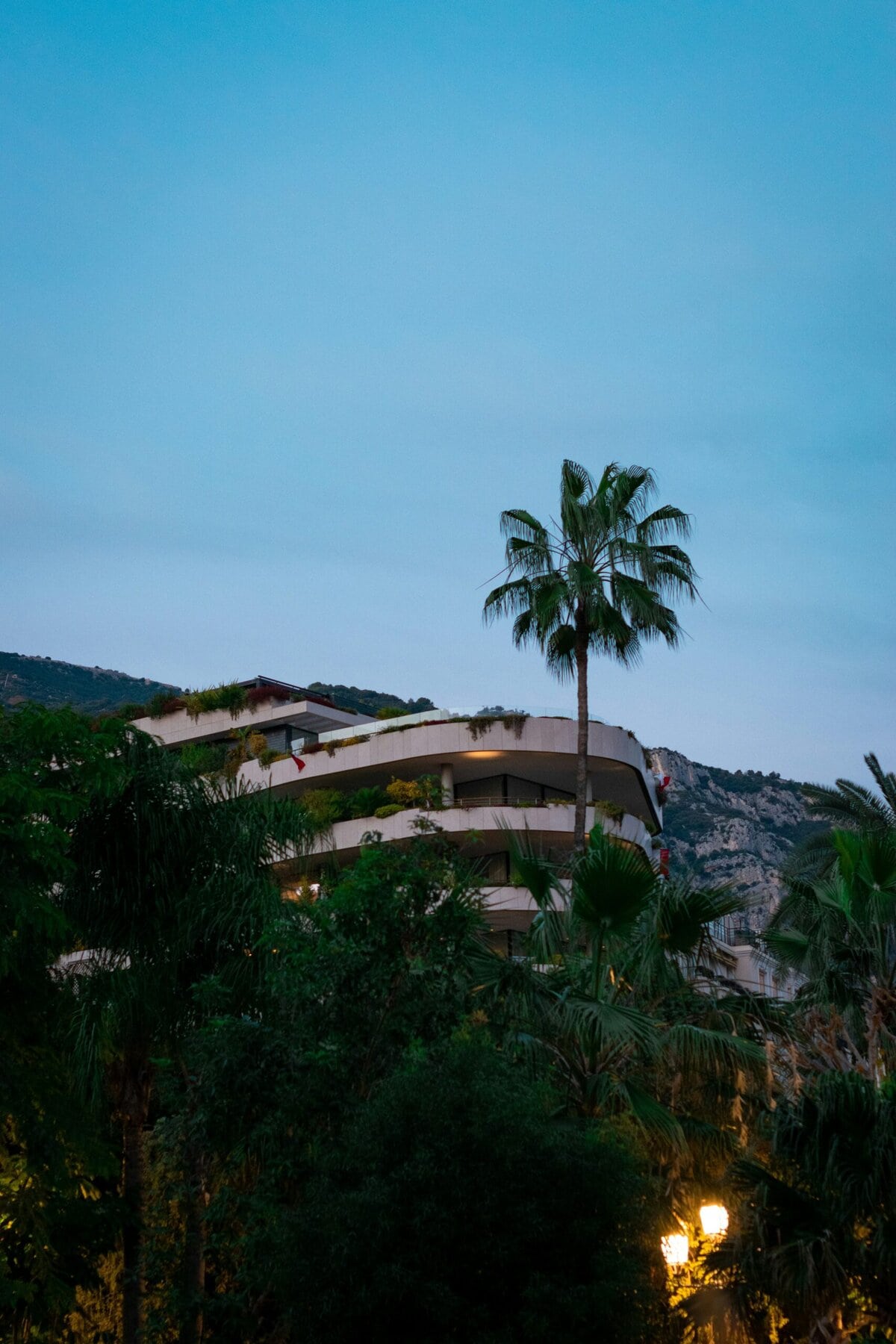
Conclusion: Experiencing the World’s Luxury Capital
Monaco rewards travelers approaching it as unique phenomenon versus conventional destination—extreme wealth concentration (32% millionaire population), tax haven operations (zero personal income tax), Monte Carlo Casino Belle Époque splendor, Formula 1 street circuit prestige, Port Hercules superyacht capital, Mediterranean luxury lifestyle, 728-year Grimaldi royal dynasty, and compact 2.02 square kilometer geography enabling comprehensive exploration within 1-2 days creating memorable experiences impossible to replicate elsewhere globally. Success requires understanding Monaco’s distinct character versus other Mediterranean destinations—this isn’t authentic Provençal village culture (visit Èze, Menton), comprehensive museums (Nice surpasses Monaco), beach resort relaxation (Monaco’s artificial Larvotto beach proves limited versus Nice’s 7-kilometer Promenade), or budget travel (Monaco’s extreme costs force Nice-based day trips for economical visitors). Monaco delivers concentrated billionaire lifestyle observation, architectural Belle Époque excellence, maritime luxury spectacle, and unique sovereign principality character creating destination for specific interests versus general Mediterranean tourism better served in Nice, Cannes, Antibes offering broader appeal, lower costs, and authentic regional character.
The strategic Nice connection (15 kilometers, 20-minute train €5.10, 7-minute helicopter €130-160) enables practical Monaco-Nice combinations where budget-conscious travelers base in Nice visiting Monaco as day trips saving €200-400+ nightly accommodation while mid-range and luxury visitors choose based on priorities—Nice for broader city-beach-culture experiences and value, Monaco for concentrated luxury immersion and ultra-wealthy lifestyle sampling. The combination creates optimal French Riviera touring balancing Monaco’s extreme luxury spectacle with Nice’s authentic Riviera character, avoiding single-destination limitations while maximizing regional diversity impossible limiting visits to isolated locations lacking complementary alternatives accessible via short efficient transport connections.
Book Monaco accommodation considering seasonal factors—Formula 1 Grand Prix (late May) and yacht show (September) require 6-12 month advance reservations commanding 200-300% premiums, summer (June-August) peaks at €150-300 above shoulder seasons, while winter (November-March) offers 30-50% discounts though weather uncertainties and reduced seasonal operations limit appeal for sun-focused visitors. Reserve Oceanographic Museum tickets avoiding queues (€19 adults), plan arrival transport balancing cost and experience (€5.10 train versus €130-4,500 helicopter), and understand that Monaco demands appropriate financial resources—attempting budget Monaco visits creates frustrations given extreme costs across accommodation (€180-2,100 nightly), dining (€25-400 per person), and activities where free attractions exist but luxury experiences dominate principality character making budget touring feel excluded from authentic Monaco lifestyle versus fully participating in luxury offerings requiring substantial spending.
Approach Monaco with realistic expectations—this sophisticated principality rewards curious travelers appreciating extreme wealth display, Belle Époque architectural excellence, Formula 1 heritage, Mediterranean yacht culture, and unique sovereign tax haven operations versus seeking generic beach vacations, comprehensive museums, or authentic Provençal experiences better served in alternative French Riviera destinations. Above all, recognize Monaco’s concentrated luxury character creates unforgettable spectacle within compact geographic area enabling efficient tourism impossible in sprawling destinations requiring extensive time commitments—Monaco delivers complete experience within 1-3 days, making it practical addition to broader European itineraries while maintaining distinctive identity as planet’s ultimate billionaire playground where superyachts, casino legends, and royal palaces coexist within walking distance creating extraordinary compressed luxury impossible to achieve elsewhere on Earth. Bienvenue à Monaco—welcome to the world’s luxury capital where extreme wealth meets Mediterranean beauty creating unforgettable principality experience.
Related Travel Guides
- Nice France Complete Guide – Monaco’s primary gateway city 15km west
- Milan Italy Complete Guide – Fashion capital 280km northeast via train
- Turin Italy Complete Guide – Egyptian Museum and Barolo wine region
- Verona Italy Complete Guide – Romeo & Juliet and Arena opera
- Lake Como Italy Complete Guide – Luxury Italian lakes destination
- Bergamo Italy Complete Guide – Medieval Città Alta and budget gateway
- Geneva Switzerland Complete Guide – International hub 6 hours north
- Zurich Switzerland Complete Guide – Financial capital 8 hours north
- Basel Switzerland Complete Guide – Art Basel and tri-country region
- Lausanne Switzerland Complete Guide – Olympic capital and Lake Geneva
- Helicopter Charter Services Guide – Premium aerial transport throughout Europe
- Executive Chauffeur Services Guide – Luxury ground transport options
- Private Jet Charter Guide – Complete aviation services guide