



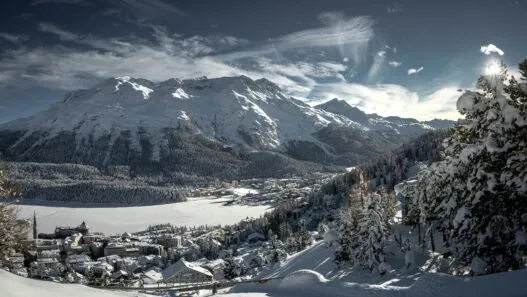
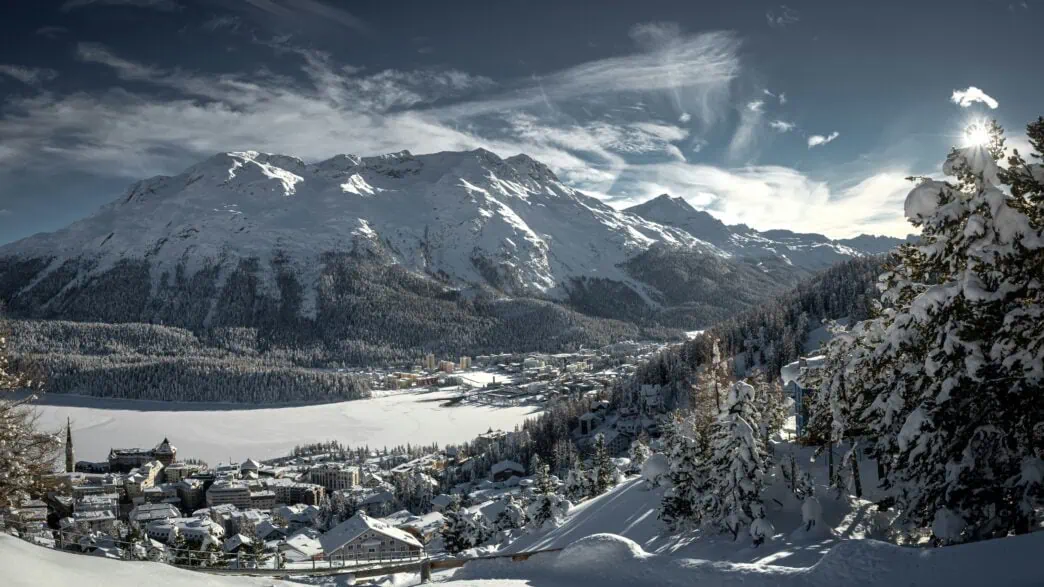
St Moritz Switzerland stands as the world’s most prestigious Alpine resort, where royalty, celebrities, and ultra-high-net-worth individuals have gathered for over 150 years of winter luxury. Perched at 1,856 meters in the Engadin valley of southeastern Switzerland, St Moritz combines world-class skiing across 350 kilometers of pistes with unparalleled luxury hotels, Michelin-starred dining, and social events defining the international winter season. The winter 2025/26 season brings renewed focus on St Moritz as travelers seek authentic luxury experiences, sustainable Alpine tourism, and the discrete sophistication only this legendary resort delivers.
For business executives combining work with winter leisure, wealthy families seeking traditional Alpine luxury, and discerning travelers who refuse to compromise on quality, St Moritz Switzerland represents the ultimate winter destination. Unlike mass-market ski resorts, St Moritz maintains strict building codes preserving architectural heritage, limits hotel development to maintain exclusivity, and caters specifically to clientele valuing heritage, service, and understated elegance over trendy amenities. This comprehensive guide provides essential intelligence for planning St Moritz winter 2025/26 visits, covering transport logistics from Zurich and Geneva, hotel selection strategies, skiing terrain analysis, costs and budgeting, and insider tips for maximizing your St Moritz experience.
For official St Moritz information and current conditions, visit St Moritz Tourism. Real-time ski conditions and lift operations appear on the Engadin St. Moritz Mountains portal.
St Moritz Switzerland Winter 2025/26 at a Glance
- Season Dates: December 7, 2025 – April 19, 2026
- Location: Engadin Valley, Graubünden, Switzerland
- Elevation: 1,856m (town), 3,303m (Piz Corvatsch summit)
- Ski Area: 350km pistes, 56 lifts, 4 mountains
- Nearest Airport: Samedan (8km), Zurich (ZRH, 200km)
- Languages: Romansh, German, English, Italian
- Guarantee: 322 days sunshine annually (famous claim)
- Signature Events: White Turf (Feb), Snow Polo (Jan)
- Helicopter Time: Zurich 50min, Geneva 90min
- Average Hotel: CHF 500-2,000+ nightly (5-star)

Table of Contents
- St Moritz Switzerland Overview
- Getting to St Moritz: All Transport Options
- Helicopter & Private Jet Access
- Skiing St Moritz: Terrain & Mountains
- Best Luxury Hotels in St Moritz
- Michelin Dining & Après-Ski
- Winter Events & Social Season
- Non-Skiing Activities & Wellness
- Costs & Budgeting Winter 2025/26
- Practical Tips & What to Pack
- Frequently Asked Questions
St Moritz Switzerland Overview: The Original Luxury Resort
St Moritz Switzerland invented Alpine winter tourism when hotelier Johannes Badrutt made a famous bet in summer 1864. He wagered four British guests that St Moritz winter offered more sunshine and milder weather than dreary London. The guests accepted, returned that December, and spread word of St Moritz’s exceptional winter climate among British aristocracy. Thus began 160 years of continuous winter seasons, two Winter Olympics (1928, 1948), and St Moritz’s evolution into the world’s most prestigious Alpine resort.
Why St Moritz Remains the Ultimate Ski Resort
St Moritz Switzerland maintains its elite status through deliberate choices prioritizing quality over growth. The municipality restricts new hotel construction, preserving the intimate village atmosphere despite global demand. Badrutt’s Palace Hotel, Kulm Hotel, and Carlton Hotel—the three grand dame properties—operate under family ownership spanning generations, ensuring long-term perspective over quarterly profit pressures. The resort attracts clientele who’ve skied St Moritz for decades, often multiple generations of the same families returning each winter to the same hotels, instructors, and traditions.
This continuity creates unique culture. St Moritz regulars know each other, greet familiar hotel staff by name, and maintain winter rhythms refined over lifetimes. First-time visitors sometimes find St Moritz surprisingly understated—no flashy mega-clubs, limited designer shopping compared to Courchevel, and hotels emphasizing heritage over trendy design. This reflects deliberate positioning: St Moritz caters to established wealth comfortable with itself, not new money seeking validation through conspicuous consumption.
St Moritz vs Other Luxury Ski Resorts
Comparing St Moritz Switzerland to competing luxury resorts clarifies positioning. Courchevel, France attracts Russian oligarchs, Middle Eastern royalty, and those seeking see-and-be-seen party atmosphere. Verbier, Switzerland draws younger, adventure-focused clientele prioritizing off-piste skiing and energetic après-ski. Gstaad, Switzerland emphasizes discrete luxury and royal connections but offers limited challenging skiing. Aspen, USA combines excellent skiing with American celebrity culture and tech wealth.
St Moritz differentiates through history (longest continuously operating luxury resort), natural beauty (Engadin valley landscape), sporting heritage (Cresta Run, bobsled), and understated European sophistication. The resort suits travelers who value tradition, appreciate subtle luxury, and prioritize skiing quality alongside social refinement. Those seeking mega-clubs, cutting-edge design hotels, or Instagram-optimized experiences may prefer Courchevel or Dubai. For comprehensive Verbier coverage as alternative Swiss luxury option, see our Verbier Switzerland complete guide.
Getting to St Moritz Switzerland: Transport Options Winter 2025/26
St Moritz Switzerland’s remote Engadin valley location creates both charm and logistics challenges. The resort sits 200 kilometers from Zurich, 330 kilometers from Geneva, requiring 3+ hours by car or train from major airports. However, this distance filters casual visitors, preserving St Moritz’s exclusive atmosphere while creating opportunities for premium transport services including helicopter charter and private aviation.
Zurich to St Moritz: Primary Gateway
Most international visitors reach St Moritz Switzerland via Zurich Airport (ZRH), Switzerland’s largest and best-connected international hub. From Zurich, three primary options exist: train, car, and helicopter. Each serves different priorities—budget, flexibility, or time efficiency.
Glacier Express & Swiss Rail – The famous Glacier Express operates Zurich-St Moritz route daily during winter season, requiring 7.5 hours including the spectacular Oberalp Pass crossing. This panoramic journey showcases Swiss Alpine scenery through floor-to-ceiling windows, but the extended duration makes it impractical for most business travelers or those with limited vacation time. The standard Zurich-St Moritz train route via Chur requires 3.5 hours with one change, costing CHF 120-160 first class. The SBB Swiss Railways operates punctual, comfortable service with WiFi enabling productive work during travel. Book through SBB Swiss Railways for best availability. For comprehensive Zurich coverage including airport logistics, see our detailed Zurich Switzerland complete guide.
Drive Zurich to St Moritz – The 200-kilometer drive requires 3-3.5 hours via A3 motorway to Chur, then mountain roads through Julier Pass or Albula Pass. Swiss motorway vignette (CHF 40 annual) required. Winter driving necessitates winter tires (legally required) and chains (mandatory in many areas during storms). The scenic route showcases dramatic Alpine landscapes, though winter conditions demand experienced mountain driving. Rental cars from Zurich Airport cost CHF 80-150 daily for premium sedans, CHF 150-250 for SUVs. However, St Moritz’s compact size, excellent bus service, and pedestrian-friendly layout make cars unnecessary once arrived—most visitors leave vehicles parked at hotels throughout stays.
Executive Ground Transport – Luxury chauffeur services operate Zurich-St Moritz routes in Mercedes S-Class, BMW 7-Series, or Range Rover vehicles with professional drivers. Pricing ranges CHF 1,200-1,800 one-way depending on vehicle type and season. Services include flight monitoring, luggage handling, and discrete service. The 3.5-hour journey enables productive work, calls, or relaxation while drivers navigate mountain roads and winter conditions. Most premium operators now accept cryptocurrency payment including Bitcoin and Ethereum through specialized processors. For detailed chauffeur service options, see our comprehensive Zurich chauffeur service guide.
Samedan Airport: Private Aviation Gateway
Engadin Airport (Samedan, airport code SMV) sits just 8 kilometers from St Moritz Switzerland, serving private aviation and limited commercial flights. At 1,707 meters elevation, Samedan ranks as Europe’s highest airport, creating unique operational considerations. The high altitude reduces aircraft performance, limiting the types of jets that can operate safely. Winter operations face additional challenges from snow, ice, and wind conditions in the mountain valley.
Private jets regularly serving Samedan include light jets (Citation CJ3, Phenom 300), midsize jets (Citation Excel, Learjet 60), and some super-midsize aircraft (Citation X, Challenger 350). Heavy jets like Gulfstream G650 typically cannot operate from Samedan due to runway length and altitude limitations—these aircraft use Zurich instead, with helicopter or ground transport completing the journey to St Moritz. Flight times to Samedan: London 1h 45min, Paris 1h 30min, Frankfurt 1h 15min, Dubai 5h 30min.
Samedan’s FBO facilities provide executive terminal services, customs clearance, and ground transport coordination. However, limited infrastructure means services don’t match major international airports. Weather often affects operations—winter storms can close the airport for days. Smart travelers maintain flexible schedules and ground transport backup plans when flying to Samedan. For comprehensive private jet information including aircraft options and booking considerations, explore our detailed private jet charter guide.
Geneva to St Moritz: Western Switzerland Access
Geneva Switzerland travelers face longer journeys to St Moritz—330 kilometers requiring 5 hours by car or 6.5 hours by train with multiple changes. Most Geneva-based visitors choose helicopter charter (90 minutes) or combine Geneva-Zurich flight with Zurich-St Moritz ground transport. The indirect routing makes Geneva less practical than Zurich for St Moritz access unless already in western Switzerland for business. For comprehensive Geneva coverage, see our detailed Geneva Switzerland complete guide.
Helicopter Charter & VIP Transport to St Moritz Switzerland
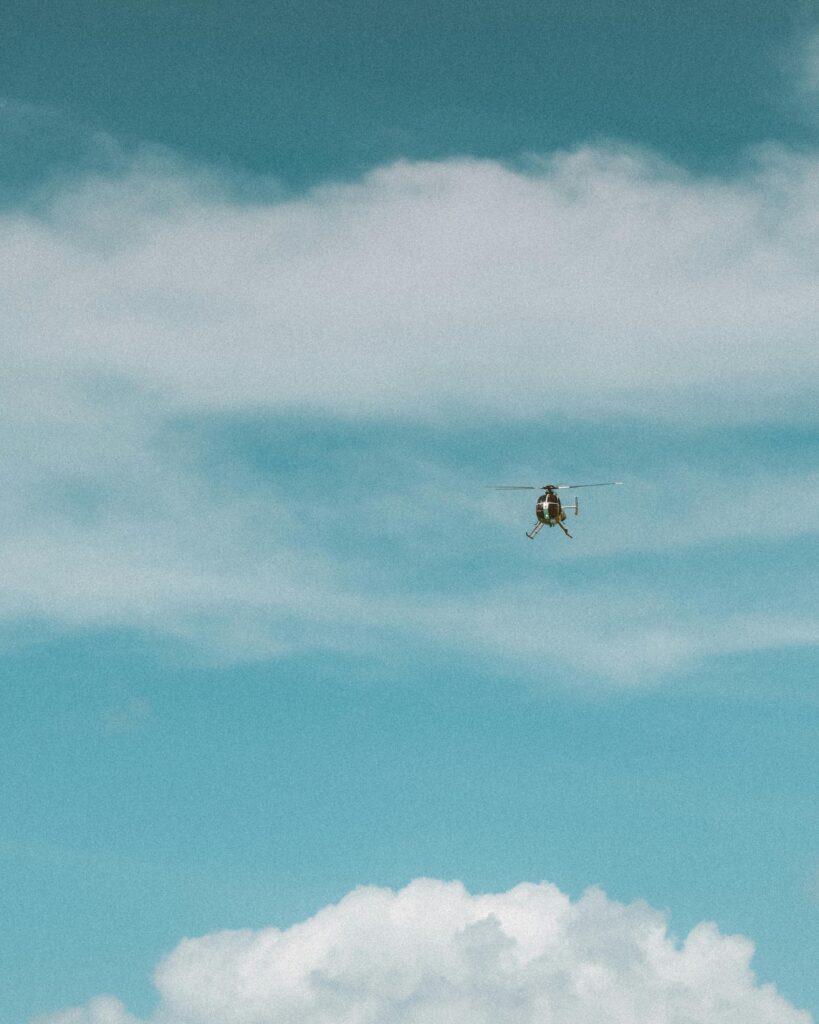
Helicopter charter represents the ultimate St Moritz Switzerland access method, transforming 3+ hour ground journeys into 50-90 minute scenic flights over the Swiss Alps. The dramatic time savings, spectacular aerial views, and seamless luxury appeal to executives, ultra-high-net-worth travelers, and those who simply refuse to waste vacation time in transit. Understanding helicopter options, costs, and booking procedures enables informed decisions about this premium transport mode.
Zurich to St Moritz Helicopter Charter
Zurich-St Moritz helicopter routes require approximately 50 minutes flight time, operating from Zurich Airport heliport to St Moritz’s helipads (multiple locations serving different hotels). Pricing ranges CHF 10,000-18,000 per flight depending on aircraft type, season, and demand. Popular helicopters include Airbus H125 (4-5 passengers plus luggage), AgustaWestland AW109 (6 passengers), and larger H145 or AW139 for groups up to 8-10 passengers requiring more luggage capacity.
The flight path crosses spectacular Alpine terrain including the Tödi massif, Surselva region, and Albula Alps before descending into the Engadin valley. Clear weather provides unobstructed views of glaciers, peaks, and valleys impossible to experience from ground transport. However, weather remains the primary operational constraint—winter mountain conditions sometimes ground helicopters, making flexible schedules and ground transport backup plans essential. Most operators recommend booking helicopter for the outbound journey (when schedules matter most) while maintaining train or car options for returns if weather deteriorates.
St Moritz Switzerland offers multiple helicopter landing sites. The main public heliport serves general access, while Badrutt’s Palace Hotel, Kulm Hotel, and Suvretta House maintain private helipads for guest use (hotel stay required). This enables door-to-door service—helicopter from Zurich Airport FBO to hotel lawn, with staff greeting arrivals and handling luggage. The convenience justifies premium costs for time-sensitive travelers. For comprehensive Swiss helicopter charter information including operators, seasonal rates, and booking procedures, see our detailed helicopter charter price guide for Switzerland.
Geneva to St Moritz Helicopter Charter
Geneva-St Moritz helicopter flights require 90 minutes, crossing the entire Swiss Alps from west to east. Pricing ranges CHF 18,000-28,000 per flight given the extended distance. The longer flight time and higher costs make Geneva-origin helicopter less practical than Zurich routing, though still viable for those already in western Switzerland or combining St Moritz with Geneva business. The route provides even more dramatic Alpine scenery, flying over the Matterhorn, Monte Rosa, and Bernina Range.
Helicopter Scenic Flights & Day Trips
Beyond transport, helicopter charter enables St Moritz Switzerland-based scenic flights and day trips. Popular options include Matterhorn overflights (45 minutes, CHF 4,000-6,000), Italian Dolomites excursions (90 minutes each way plus ground time), and Austrian Alps exploration. Some operators offer heli-skiing packages combining helicopter access to remote peaks with ski descents back to St Moritz or surrounding resorts. These experiences cost CHF 5,000-15,000 depending on duration and destinations, creating memorable highlights of St Moritz winter visits.
Skiing St Moritz Switzerland: Terrain Analysis & Mountains Winter 2025/26
St Moritz Switzerland offers 350 kilometers of marked pistes across four distinct mountain areas: Corviglia, Corvatsch, Diavolezza, and Lagalb. The skiing suits intermediates and advanced skiers, with limited beginner terrain compared to family-oriented resorts. Understanding each area’s character enables strategic planning maximizing limited vacation days and ensuring appropriate terrain for group skill levels.
Corviglia: St Moritz’s Main Mountain
Corviglia rises directly above St Moritz town, accessed via funicular from St Moritz Dorf or gondola from St Moritz Bad. The mountain offers 155 kilometers of pistes ranging from gentle blues to challenging blacks, with exceptional grooming maintaining perfect corduroy conditions. Corviglia’s sunny south-facing exposure delivers the “champagne climate” St Moritz Switzerland famously claims—bright sunshine, dry snow, and comfortable temperatures even in January.
The terrain suits confident intermediates and advanced skiers. Blue runs like the Corviglia plateau provide cruising at 2,500+ meters with panoramic Engadin views. Red runs including Piz Nair descent challenge technique with steeper pitches and variable snow. Black runs like the Hahnensee mogul field test advanced skiers. Corviglia also hosts the annual Hahnenkamm-style downhill race, with the marked course open to public skiing outside race days.
Corviglia mountain restaurants rank among Switzerland’s finest. Mathis Food Affairs at Piz Nair (3,057m) serves creative cuisine in ultra-modern architecture. La Marmite delivers traditional Swiss fondue with lake views. El Paradiso offers Italian specialties in sun-drenched terrace atmosphere. Lunch reservations prove essential during peak weeks—popular spots book days or even weeks ahead. Expect CHF 40-80 per person for mountain lunch including drinks.
Corvatsch: Advanced Terrain & Glacier Skiing
Corvatsch, accessed from Surlej (15 minutes from St Moritz by bus), provides St Moritz Switzerland’s most challenging skiing. The mountain reaches 3,303 meters at Piz Corvatsch summit, offering glacier skiing with 360-degree Alpine panoramas. The signature descent drops 1,400 vertical meters from summit to Surlej, requiring advanced skills to navigate steep sections, moguls, and variable snow conditions.
Corvatsch attracts serious skiers who’ve outgrown Corviglia’s groomed perfection. The terrain includes legitimate black runs, extensive off-piste possibilities (guides strongly recommended), and the Corvatsch freeride park for freestyle enthusiasts. Snow conditions generally excel on Corvatsch given higher elevation and more consistent snowfall than sunny Corviglia. However, exposed ridges and summit areas close during high winds common at this altitude.
Mountain dining on Corvatsch emphasizes function over atmosphere compared to Corviglia’s refined options. Corvatsch Mittelstation provides standard Swiss fare, while Furtschellas specializes in curry dishes (unusual for Swiss ski area). Most serious Corvatsch skiers bring packed lunches or return to valley for proper meals, maximizing skiing time rather than lingering over multi-course lunches.
Diavolezza & Lagalb: Remote Skiing & Touring
Diavolezza and Lagalb, accessed from the Bernina Pass road 30 minutes from St Moritz Switzerland, offer more remote Alpine atmosphere. Diavolezza (2,978m) provides spectacular views of Piz Bernina (4,049m) and the Bernina glacier. The Diavolezza glacier run descends to Morteratsch, followed by flat glacier walking back to the valley—a unique experience combining skiing with light glacier trekking.
Lagalb suits intermediates with wide-open slopes and typically excellent snow conditions. The area sees far fewer skiers than Corviglia or Corvatsch, providing uncrowded skiing even during peak weeks. However, limited terrain means most visitors ski Lagalb for half-day excursions rather than full days. Serious ski tourers use Diavolezza as starting point for high-Alpine routes including the famous Haute Route to Chamonix (multi-day expedition requiring guides and alpine skills).
Off-Piste & Backcountry Skiing
St Moritz Switzerland provides extensive off-piste opportunities for advanced skiers with appropriate equipment and ideally professional guides. Popular routes include the Fuorcla Grischa descent from Corvatsch, various lines off Piz Nair, and extensive backcountry options from Diavolezza. However, avalanche danger requires serious consideration—the Swiss Alps experience regular avalanche fatalities among both tourists and locals who underestimate risks.
Professional guides cost CHF 600-800 per day (typically guiding up to 4 skiers), providing local knowledge, avalanche safety expertise, and route selection maximizing snow quality while managing objective dangers. Equipment including avalanche transceivers, probes, and shovels proves mandatory—rental shops provide complete safety packages CHF 40-50 daily. Never ski off-piste alone or without proper equipment and training. The mountains remain beautiful but unforgiving environments.

Best Luxury Hotels in St Moritz Switzerland Winter 2025/26
St Moritz Switzerland hotel scene divides into three grand dame palace hotels defining the resort’s character, several excellent 5-star properties offering modern luxury, and limited 4-star options suiting smaller budgets. Understanding each hotel’s positioning, amenities, and culture enables selecting accommodations matching specific preferences and requirements. All prices listed represent winter 2025/26 high season (Christmas-New Year, February half-term) when St Moritz operates at peak capacity and premium pricing.
Badrutt’s Palace Hotel: The Crown Jewel
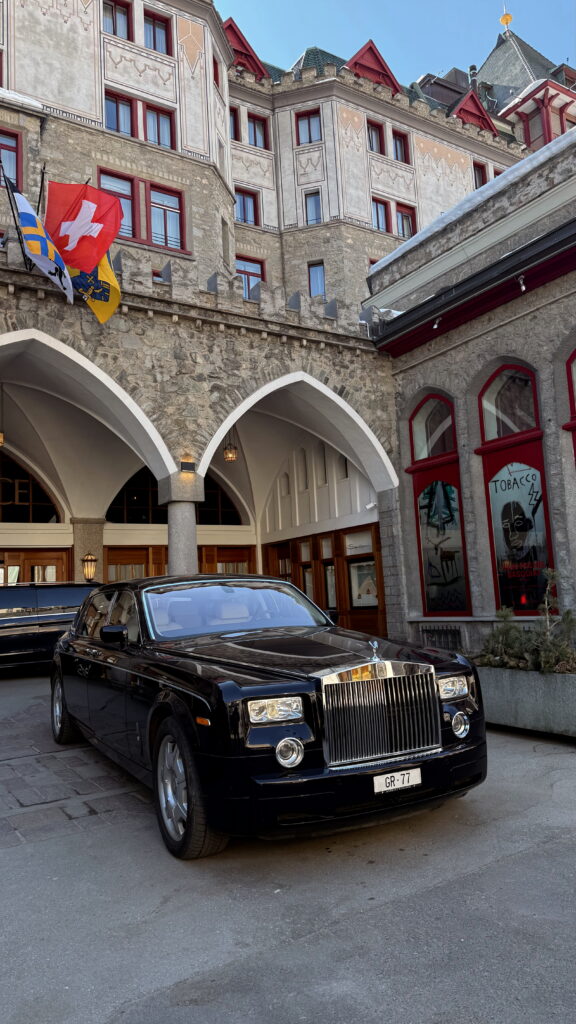
Badrutt’s Palace Hotel represents St Moritz Switzerland’s ultimate luxury property and one of the world’s legendary hotels. The 1896 landmark combines Belle Époque architecture with modern five-star standards across 157 rooms and suites. The Palace maintains private helipad enabling helicopter arrivals, ice rink hosting Snow Polo, multiple Michelin-level restaurants, and legendary King’s Club nightclub attracting international celebrity clientele.
Rooms and suites range from comfortable classic doubles (CHF 1,200-1,800 nightly) to palatial suites (CHF 5,000-15,000+ nightly). The hotel operates primarily on half-board basis (breakfast and dinner included), reducing but not eliminating food costs. Service reaches white-glove standards—staff remember repeat guests by name, anticipate needs before requests, and maintain discretion essential for celebrity and royal clientele.
The Palace attracts establishment wealth—aristocracy, business dynasties, old-money families who’ve stayed for generations. The atmosphere skews formal despite modern amenities. Jacket requirements apply in main dining rooms (though relaxed at breakfast). The hotel suits those comfortable with traditional luxury protocols and willing to pay premium rates for legendary status and impeccable service. Book direct through Badrutt’s Palace Hotel for best room selection and exclusive benefits.
Kulm Hotel St Moritz: Historic Elegance
Kulm Hotel St Moritz, opened 1856, ranks as the resort’s first luxury hotel and hosted the British guests who launched St Moritz winter tourism. The 173-room property combines historical significance with comprehensive modern amenities including spa, multiple restaurants, ice rink, and direct ski access to Corviglia via the Signal funicular. The Kulm feels more relaxed than the Palace while maintaining comparable service levels and five-star standards.
Accommodations range CHF 800-1,500 for standard doubles to CHF 3,000-8,000 for suites during peak season. The hotel’s location at the end of St Moritz lake provides quieter atmosphere than the bustling Dorf center, suiting families and couples seeking elegance without scene. The Kulm pioneered numerous winter sports including bobsled, Cresta Run, and curling—sporting heritage celebrated throughout the property. The hotel attracts slightly younger, more active clientele than the Palace, with more children and families visible during school holiday periods.
Carlton Hotel St Moritz: Understated Luxury
Carlton Hotel St Moritz delivers palace hotel elegance in more intimate 60-room format. The 1913 property underwent complete renovation in 2007, combining Belle Époque architecture with contemporary interiors and technology. The Carlton’s central Dorf location provides easy access to shopping, restaurants, and nightlife while maintaining five-star quiet. The hotel emphasizes personal service, culinary excellence (Michelin-starred Tschuggen restaurant), and discrete luxury appealing to guests who eschew see-and-be-seen attitudes.
Room rates range CHF 900-1,600 for doubles to CHF 2,500-6,000 for suites. The smaller size enables staff to provide more personalized attention than possible in 150+ room properties. The Carlton attracts sophisticated travelers who appreciate quality without requiring brand-name recognition. Many guests return annually, creating club-like atmosphere of familiar faces. The hotel feels adult-focused—fewer children than the Kulm, less party atmosphere than the Palace.
Suvretta House: Grand Dame Alternative
Suvretta House, St Moritz Switzerland’s fourth palace hotel, sits in secluded location 2 kilometers from town center. The 181-room property opened 1912, operates seasonally (winter and summer only), and maintains traditional grand hotel culture including half-board requirement, formal dress codes, and programming of organized activities. The Suvretta’s isolated position creates resort-within-resort atmosphere—many guests spend entire stays on property, skiing from the hotel’s private ski access, dining in multiple restaurants, and attending the Suvretta’s legendary events.
The hotel attracts families (including children’s programs during school holidays), couples seeking romantic Alpine atmosphere, and traditionalists who appreciate old-world grand hotel culture. Room rates range CHF 700-1,200 for standard doubles to CHF 2,000-5,000 for suites, representing good value compared to central St Moritz palace hotels. However, the remote location requires dedicated shuttle service or taxis to access town, and the half-board structure limits dining flexibility.
Modern Five-Star Options
Kempinski Grand Hotel des Bains delivers contemporary luxury in 184-room property emphasizing spa, wellness, and design over historical heritage. Rates: CHF 600-1,000 for doubles. Hotel Steffani provides comfortable four-star accommodations in central location at more accessible rates (CHF 400-700 doubles). Nira Alpina, located in nearby Silvaplana, offers design-forward rooms, helicopter pad, and modern Alpine aesthetic at CHF 500-900 for doubles.
Michelin Dining & Après-Ski in St Moritz Switzerland
St Moritz Switzerland maintains sophisticated dining scene befitting its luxury resort status, with multiple Michelin-starred restaurants, excellent mid-range options, and traditional mountain huts providing authentic Swiss cuisine. The dining culture emphasizes quality ingredients, technical execution, and refined service, though the resort’s remote location limits ingredient availability compared to major cities. Understanding St Moritz culinary landscape enables planning memorable meals across different occasions and budgets.
Michelin-Starred Restaurants
Restaurant Talvo in nearby Champfèr holds two Michelin stars, representing the Engadin valley’s highest culinary achievement. Chef Reto Lampart delivers innovative alpine cuisine emphasizing local ingredients, game, and seasonal specialties. The intimate 40-seat restaurant requires advance reservations (weeks ahead for peak season weekends). Tasting menus CHF 250-350 per person, wine pairings CHF 150-250 additional. Dress: smart casual minimum, many guests choose formal. Transportation: taxi from St Moritz CHF 20-30 each way.
Chesa Pirani (Hotel Chesa Guardata) holds one Michelin star, serving refined regional cuisine in cozy wood-paneled setting. Chef Riccardo Scala emphasizes Graubünden specialties including capuns, pizzoccheri, and game preparations. Tasting menu CHF 180-220. Reservations essential. Dress: smart casual.
Palace hotels operate excellent restaurants approaching Michelin level even without stars. Le Restaurant (Badrutt’s Palace) delivers classic French haute cuisine. Tschuggen (Carlton Hotel) holds one Michelin star. Sunny Bar at the Palace provides see-and-be-seen après-ski lunch atmosphere with prices matching exclusivity (CHF 80-120 per person for light lunch).
Traditional Swiss Restaurants & Mountain Huts
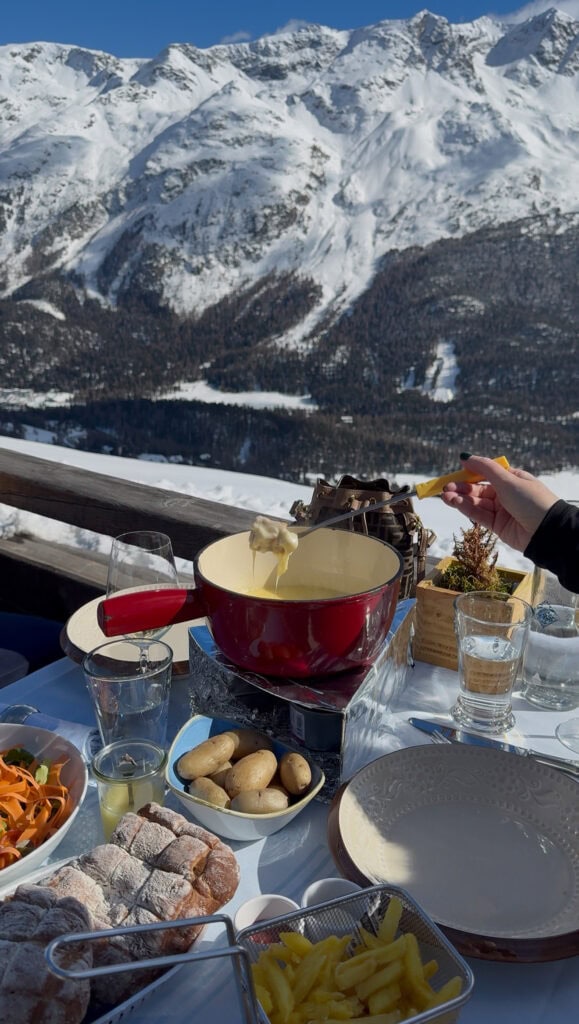
Chesa Veglia, St Moritz’s oldest building (1658), operates as Badrutt’s Palace overflow providing traditional Graubünden cuisine in authentic atmosphere. Specialties include capuns (chard rolls), pizzoccheri (buckwheat pasta), and barley soup. Prices CHF 40-80 per person. Rôtisserie des Chevaliers specializes in game and grilled meats in medieval-themed setting. Hauser Restaurant serves excellent Swiss classics including fondue, raclette, and rösti at more accessible prices (CHF 30-50 per person).
Mountain restaurants provide authentic Alpine dining during ski days. Munta Hut (Corviglia) delivers the quintessential Swiss mountain lunch—rustic wood interior, sunny terrace, hearty portions of polenta, sausages, and local cheese. Lej da Staz, accessed by cross-country ski trail or winter walking path, offers lakeside setting and traditional Engadin specialties. Reservations essential for popular huts during peak season.
Après-Ski Culture
St Moritz Switzerland après-ski operates differently than Austrian or French resort party scenes. The atmosphere skews sophisticated over raucous—champagne and caviar rather than beer and techno music. Stüva at Corviglia provides the closest St Moritz comes to traditional après-ski, with music, drinks, and lively atmosphere attracting younger crowds. Most palace hotel guests skip public après-ski, returning to hotel bars for quieter cocktails.
King’s Club (Badrutt’s Palace basement) represents St Moritz nightlife pinnacle, operating as exclusive nightclub welcoming hotel guests and members. The legendary club has witnessed decades of celebrity, royal, and socialite revelry. Entrance requires connections or significant bottle service commitments. Vivai and Dracula Club provide additional nightlife options, though St Moritz generally operates as early-to-bed destination given skiing schedules and older demographic compared to party-focused resorts.
Winter Events & Social Season St Moritz Switzerland 2025/26
St Moritz Switzerland’s winter social calendar includes prestigious sporting events, cultural programming, and exclusive gatherings defining the international season. These events attract participants and spectators from worldwide, creating atmosphere distinguishing St Moritz from standard ski resorts. Understanding the event calendar enables planning visits to coincide with preferred activities or avoiding peak crowding and pricing during major events.
White Turf: Horse Racing on Ice
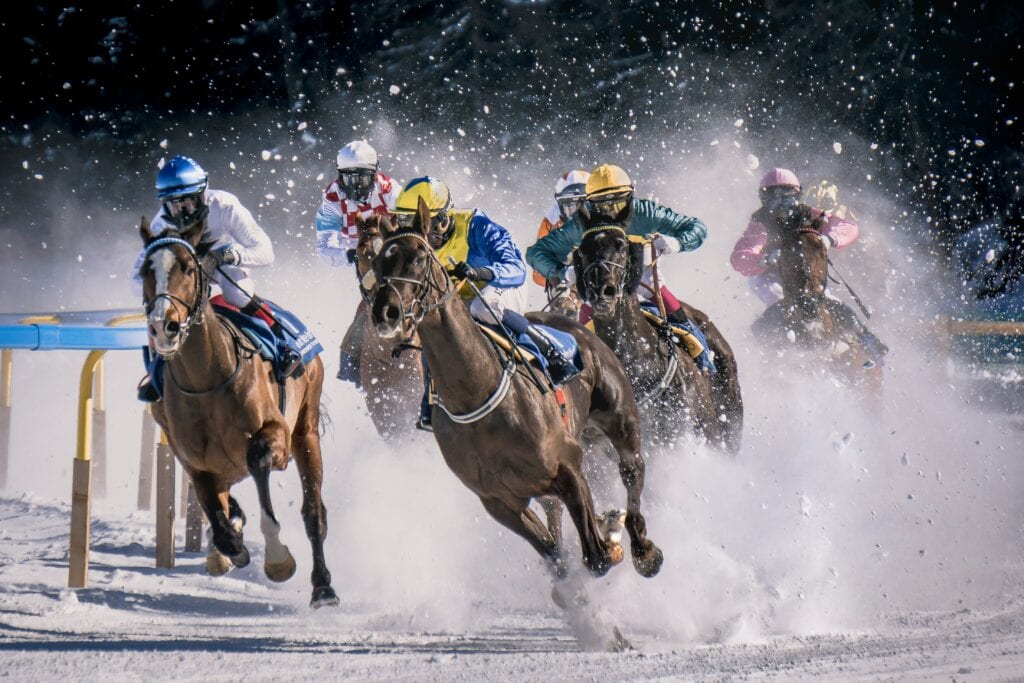
White Turf, held three Sundays in February on the frozen St Moritz lake, represents one of the winter season’s signature events. The horse races combine sporting spectacle with social occasion—women wear designer fashion and elaborate hats, champagne flows freely, and the afternoon becomes exhibition of wealth and style. Racing includes flat races, trotting, and the spectacular skijöring where horses pull skiers at 50+ km/hour speeds.
Attendance ranges from public access (free standing areas) to VIP hospitality packages (CHF 500-2,000 per person including lunch, drinks, and premium viewing). Major hotels operate their own White Turf hospitality, with Badrutt’s Palace hosting its famous tent. The event draws 30,000+ spectators across three race days, making St Moritz exceptionally crowded during this period. Hotels require 5-7 night minimum stays, and rates peak 30-50% above normal high season. White Turf dates winter 2025/26: February 8, 15, 22.
Snow Polo World Cup
The Snow Polo World Cup takes place late January on Badrutt’s Palace Hotel’s private ice rink, bringing international polo teams to compete in unique Alpine setting. The three-day tournament combines sporting action with luxury hospitality, fashion displays, and social gatherings. Polo remains niche sport, but the St Moritz event attracts European high society, polo enthusiasts worldwide, and luxury brands seeking association with exclusive sporting heritage.
Event access includes public standing areas (free) and hospitality packages (CHF 200-600 per day including lunch and drinks). The Palace operates invitation-only VIP areas for hotel guests and polo world insiders. Even non-polo fans find the atmosphere and setting worth experiencing—few sporting events occur in such spectacular mountain backdrops. Snow Polo dates winter 2025/26: January 23-25.
Cresta Run & St Moritz Bobsled
The Cresta Run, operational since 1885, enables trained riders to descend 1,214 meters of ice channel on skeleton sleds at speeds exceeding 130 km/hour. The run operates as private club (St. Moritz Tobogganing Club) requiring membership or guest privileges, limiting access to initiated few. However, public can observe from designated viewing areas or visit the club’s facilities during open days.
The Olympic Bob Run operates on different schedule, offering public “tourist bobs” where guests ride as passengers while professional pilots navigate the 1,722-meter track at 120+ km/hour. Cost: CHF 250-350 per ride. Both attractions provide adrenaline experiences impossible to find elsewhere, connecting visitors to St Moritz Switzerland’s sporting heritage. Cresta season: December-February. Bob run: December-March.
Cultural Events & Concerts
St Moritz Winter Festival brings classical music concerts to the resort throughout January and February, with performances in hotels, churches, and the Kulm Hotel’s ice rink. The festival attracts international soloists and ensembles, providing cultural programming for audiences seeking refinement beyond skiing. Other winter events include art exhibitions, wine tastings at palace hotels, and various private gatherings organized by hotels for guests.
Non-Skiing Activities & Wellness in St Moritz Switzerland
St Moritz Switzerland offers extensive programming for non-skiers or those seeking alternatives to daily skiing. The resort’s “champagne climate” enables winter walking, the frozen lake hosts unique activities, and luxury hotels operate world-class spas. Understanding these options ensures all party members find engaging activities regardless of skiing ability or interest.
Winter Walking & Hiking Trails
St Moritz maintains 150+ kilometers of prepared winter walking paths ranging from valley floor lakeside routes to mountain trails requiring fitness and mountain experience. The Heidi Hut trail connects St Moritz to the famous Heidi Hut restaurant via forest path suitable for most fitness levels (90 minutes each way). The Lej da Staz loop circumnavigates a small lake in peaceful forest setting (45 minutes). Mountain trails like Piz Nair descent (2 hours from summit to town) require proper winter hiking boots, layers, and mountain awareness.
Guided winter walks offered by hotels or tourism office introduce local flora, fauna, and Engadin cultural traditions. These typically last 2-3 hours and cost CHF 40-60 per person. Serious hikers should invest in Engadin trail maps (available at bookstores and tourist office) and appropriate equipment including hiking poles, gaiters, and emergency supplies. Alpine weather changes rapidly even on valley trails.
Cross-Country Skiing & Ice Sports
The Engadin valley hosts the annual Engadin Skimarathon, Switzerland’s largest cross-country ski race with 14,000+ participants each March. The marathon course and extensive trail network (180+ kilometers prepared tracks) welcome recreational Nordic skiers throughout winter. Cross-country skiing provides excellent cardiovascular exercise in spectacular scenery, appealing to fitness-focused visitors. Equipment rental CHF 25-40 daily, lessons CHF 80-120 per hour private.
Ice skating on natural ice rinks including the Ludains rink offers nostalgic winter activity (rental skates CHF 8-12). Curling, invented in St Moritz, continues with public sessions available at various rinks (CHF 40-60 for 2-hour session including instruction and equipment). Ice hockey games at the Ludains stadium showcase Swiss amateur leagues in authentic mountain setting.
Luxury Spas & Wellness
Palace hotels operate extensive spa facilities providing massage, beauty treatments, saunas, pools, and relaxation areas. Palace Wellness (Badrutt’s Palace) spans 2,000 square meters including pool, multiple treatment rooms, and mountain-view relaxation areas. Treatments range CHF 180-350 for 50-80 minute sessions. Kempinski The Spa emphasizes water therapy with indoor-outdoor pools, extensive sauna complex, and mineral treatments. Day spa access for non-hotel guests costs CHF 80-120.
Wellness programs combine multiple treatments, fitness classes, nutritional consulting, and spiritual practices into comprehensive packages. These appeal to guests seeking retreat-style experiences beyond skiing. Programs run 3-7 days, costing CHF 1,500-5,000 depending on intensity and services included. The spas also offer medical wellness consultations, altitude training optimization, and sports recovery treatments for serious athletes.
Costs & Budgeting for St Moritz Switzerland Winter 2025/26
St Moritz Switzerland consistently ranks among the world’s most expensive ski resorts, with costs reflecting limited supply, high demand, and uncompromising quality standards. Understanding realistic budget requirements prevents unpleasant surprises and enables appropriate trip planning. The following estimates reflect winter 2025/26 high season pricing (Christmas-New Year, February school holidays, White Turf weeks).
Accommodation Costs
Palace hotels (Badrutt’s Palace, Kulm, Carlton, Suvretta House): CHF 1,000-2,500 per night for standard doubles during high season, CHF 3,000-15,000+ for suites. Most palace hotels operate on half-board basis, including breakfast and dinner (value CHF 100-150 per person daily). Five-star modern hotels (Kempinski, Nira Alpina): CHF 600-1,200 for doubles. Four-star properties: CHF 400-800 for doubles. Budget options (pensions, apartment rentals): CHF 200-400 for basic doubles.
Minimum stays of 5-7 nights apply during peak weeks. Total accommodation costs for week-long stay: CHF 7,000-17,500 for palace hotel double room on half-board, CHF 4,200-8,400 for five-star hotel room and board, CHF 2,800-5,600 for four-star hotel and meals. These figures represent per-room costs—couples share, families require multiple rooms or suites increasing total expenditure significantly.
Ski Pass & Equipment
St Moritz Switzerland ski passes cover 350 kilometers across four mountains. Six-day pass: CHF 390 adults, CHF 195 children (6-15 years), CHF 350 seniors (65+). Optional Engadin pass includes additional resorts (Pontresina, Sils, Zuoz) for CHF 415 six days. Ski rental for quality equipment: CHF 60-90 daily adults, CHF 30-45 children. Premium/race equipment: CHF 100-150 daily. Week rental (6 days) provides discounts: CHF 300-450 adults quality equipment, CHF 500-750 premium equipment.
Ski lessons: private instruction CHF 120-180 per hour, group lessons CHF 80-100 per person per day (2 hours daily for 5 days). Ski storage at hotels included for guests, locker rental in town CHF 10-15 daily. Total weekly skiing costs per person (pass, rental, group lessons): CHF 870-990 adults, CHF 525-645 children.
Dining & Entertainment
Palace hotels on half-board basis include breakfast and dinner, eliminating some meal costs. However, lunch adds significant expenses. Mountain restaurant lunch: CHF 30-80 per person depending on establishment and menu choices. Michelin restaurant dinner (beyond half-board): CHF 200-400 per person including wine. Casual restaurant dinner: CHF 60-120 per person. Après-ski drinks/snacks: CHF 20-40 per person. Coffee shop/bakery breakfast or snacks: CHF 10-20 per person.
Weekly meal costs vary dramatically: CHF 210-560 per person for lunches only (half-board hotel guests), CHF 700-1,400 per person for all meals (non-half-board guests or those frequently dining off-property). Add CHF 200-500 per person weekly for drinks, après-ski, and incidentals.
Transport Costs
International flights to Zurich vary by origin: North America CHF 800-2,000 economy, CHF 3,000-8,000 business class. Europe CHF 200-600 economy, CHF 800-2,000 business class. Zurich to St Moritz transport options: train CHF 240 round-trip per person first class, executive chauffeur CHF 2,400-3,600 round-trip (vehicle, not per person), helicopter charter CHF 20,000-36,000 round-trip (aircraft, not per person).
Private jet charter for international legs: transatlantic CHF 80,000-200,000+, intra-European CHF 15,000-40,000 depending on aircraft and route. These costs split among passenger groups make private aviation more accessible: 8 passengers sharing transatlantic jet pay CHF 10,000-25,000 each versus CHF 3,000-8,000 for commercial business class—still premium but less extreme when time savings and convenience factor.
Total St Moritz Week Budget Examples
Moderate Luxury (Four-Star Hotel, Train, Group Lessons)
– Flights (Europe, economy): CHF 1,200 (2 people)
– Train Zurich-St Moritz: CHF 480 (2 people round-trip)
– Hotel (6 nights, breakfast included): CHF 3,600
– Ski passes (6 days, 2 adults): CHF 780
– Equipment rental: CHF 900
– Lunches & dinners: CHF 2,800 (2 people)
– Lessons: CHF 1,000 (group, 2 people)
Total: CHF 10,760 (~USD 12,000) for couple
Palace Hotel Luxury (Half-Board, Helicopter, Private Lessons)
– Flights (North America, business): CHF 14,000 (2 people)
– Helicopter Zurich-St Moritz: CHF 28,000 (round-trip, dedicated aircraft)
– Badrutt’s Palace (6 nights, half-board): CHF 15,000
– Ski passes: CHF 780
– Premium equipment rental: CHF 1,500
– Mountain lunches & extras: CHF 1,400
– Private lessons: CHF 3,600 (15 hours total, 2 people sharing)
Total: CHF 64,280 (~USD 72,000) for couple
Ultra-Luxury (Suite, Private Jet, Full Service)
– Private jet (transatlantic, 8 passengers sharing): CHF 20,000 per person
– Helicopter airport transfers: CHF 5,000 per person
– Palace suite (6 nights, half-board): CHF 30,000
– All skiing costs premium: CHF 5,000
– Fine dining, entertainment: CHF 8,000
– Spa, activities: CHF 4,000
Total: CHF 72,000 (~USD 80,000) per person

Practical Tips & What to Pack for St Moritz Switzerland
Clothing & Equipment
St Moritz Switzerland’s sunny climate requires different preparation than gray Alpine resorts. Strong UV radiation at high altitude (1,856m town, 3,000m+ skiing) demands serious sun protection: SPF 50+ sunscreen, UV-blocking sunglasses (category 3-4), and face covering (buff or balaclava). Temperature inversions create warm valleys and cold mountains—layer systems prove essential. Base layers (merino wool or technical synthetic), insulating mid-layers (fleece or down), and waterproof/breathable shells enable adapting to changing conditions.
Palace hotels maintain dress codes: jackets required for men in main dining rooms (dinner), smart casual minimum throughout properties, no ski gear in public areas (change before entering lobbies/restaurants). Pack formal wear for Michelin restaurant dinners and any galas or events. However, St Moritz overall operates more casually than stereotypes suggest—modern performance ski wear acceptable for lunches, après-ski, and most occasions beyond formal dining.
Money & Payments
Switzerland uses Swiss Franc (CHF), not Euro. ATMs widely available, credit cards accepted universally. However, some establishments prefer CHF to avoid Euro conversion costs. Carry CHF 200-500 cash for tips, mountain huts possibly cash-only, and occasional vendors. Tipping practices: Switzerland includes service charges by law, making tipping optional. Rounding restaurant bills or leaving 5-10% for exceptional service suffices. Ski instructors appreciate CHF 20-50 per day depending on private/group and satisfaction. Hotel staff: CHF 5-10 per bag for porters, CHF 50-100 for concierge providing significant assistance.
Premium service providers increasingly accept cryptocurrency payment including Bitcoin, Ethereum, and stablecoins. This particularly applies to helicopter charter, private jet operators, and some luxury hotels. Confirm payment options when booking high-value services to avoid last-minute complications.
Language & Communication
St Moritz Switzerland’s official language is Romansh (ancient Latin-derived language), though German, Italian, and English all function as working languages. Most hotel staff, ski instructors, and service personnel speak fluent English given international clientele. Learning basic German courtesies (Grüezi, danke, bitte) demonstrates respect but isn’t necessary. Romansh appears on signs and menus as cultural preservation, creating exotic atmosphere for visitors.
Altitude Considerations
St Moritz town sits at 1,856 meters, with skiing reaching 3,303 meters—sufficient altitude for some visitors to experience mild altitude effects. Symptoms include headache, fatigue, sleep disruption, and shortness of breath. Mitigation strategies: arrive day early before skiing to acclimatize, maintain hydration (drink more water than normal), limit alcohol first 24-48 hours, avoid overexertion early days. Most people adapt within 2-3 days. Serious altitude sickness remains rare at these elevations but requires descent and medical attention if symptoms persist or worsen.
Frequently Asked Questions: St Moritz Switzerland Winter 2025/26
When is the best time to ski St Moritz Switzerland?
St Moritz Switzerland ski season operates December 7, 2025 through April 19, 2026, with distinct periods offering different advantages. January provides reliable snow, fewer crowds than February, and moderate pricing (except Snow Polo weekend). February delivers peak social season with White Turf, warmest temperatures, and most sunshine but highest prices and most crowding. March offers excellent spring skiing with longer days, softer snow, and declining prices as season winds down. April provides snow at higher elevations with T-shirt skiing conditions but limited terrain as lower slopes close. Avoid late December (Christmas week) and February half-term if seeking value and smaller crowds.
Is St Moritz good for beginner skiers?
St Moritz Switzerland serves intermediate and advanced skiers better than true beginners. The resort offers limited gentle terrain compared to family-focused destinations, and the extensive ski area can overwhelm those just learning. However, beginners with determination can succeed in St Moritz—Corviglia provides some suitable blues, ski schools operate excellent programs, and the stunning scenery motivates progression. Families with beginning children might consider nearby Pontresina or Sils offering gentler slopes while maintaining Engadin access. Advanced skiers partnering with beginners should expect separating for portions of ski days given terrain differences.
How expensive is St Moritz Switzerland really?
St Moritz Switzerland ranks among the world’s 5 most expensive ski resorts alongside Courchevel, Aspen, Zermatt, and Gstaad. A week-long stay for two people runs CHF 10,000-15,000 minimum for moderate luxury (four-star hotel, train transport, group lessons), CHF 30,000-50,000 for palace hotel experience (helicopter or car service, private lessons), and CHF 80,000-150,000+ for ultra-luxury (suites, private jets, full services). These figures include transport, accommodation, skiing, and dining but exclude shopping, spa treatments, or additional activities. Budget-conscious travelers can reduce costs through four-star hotels, train transport, and self-catering apartments, but St Moritz fundamentally caters to wealthy clientele—bargain hunting proves difficult.
Can you ski St Moritz Switzerland in one day from Zurich?
Day trips from Zurich to St Moritz prove technically possible but impractical. The 3.5-hour drive each direction consumes 7 hours, leaving minimal skiing time. Train requires similar duration. Helicopter charter (CHF 20,000+ round-trip) makes day trips financially questionable when multi-day stays provide better value. However, executives already in Zurich for business occasionally helicopter to St Moritz for afternoon skiing and dinner, returning same evening—this works for special occasions or when schedules prevent longer stays. For comprehensive Zurich coverage and alternative day trip destinations, see our detailed Zurich Switzerland complete guide.
What’s the difference between St Moritz Dorf and St Moritz Bad?
St Moritz Switzerland actually comprises two distinct areas. St Moritz Dorf (village) occupies the hillside above the lake, containing the palace hotels, luxury shopping, and most restaurants. This represents the traditional St Moritz associating with wealth and elegance. St Moritz Bad (spa) sits at lake level, originally developing around healing springs. Bad offers more affordable accommodations, quieter atmosphere, and easier parking. However, Dorf clearly represents the “real” St Moritz—staying in Bad feels slightly outside the action despite being just 1.5 kilometers distant. Most first-time visitors should choose Dorf for the full St Moritz experience.
Is St Moritz family-friendly or adults-only?
St Moritz Switzerland welcomes families and provides children’s ski schools, some hotel kids clubs, and family-oriented programming during school holiday periods. However, the resort skews toward adult couples and doesn’t emphasize family infrastructure like purpose-built family destinations. Palace hotels accommodate families in suites but don’t orient services toward children—expect fewer kid-specific amenities, limited entertainment programming, and more formal atmospheres than resorts like Verbier or Wengen. Families seeking luxury Alpine experience can definitely succeed in St Moritz, but those prioritizing kids’ happiness above all might find alternatives more suitable.
Should I rent a car in St Moritz Switzerland?
No. St Moritz’s compact size, excellent bus service (free with hotel guest cards), and limited parking make cars unnecessary and sometimes burdensome. Palace hotels provide shuttle services to ski areas and town. Buses connect all Engadin valley destinations. Taxis remain readily available for evening restaurant transport. The main scenario requiring cars involves day trips to Italian valleys or exploring remote Graubünden villages—but even these work via organized tours or private drivers. Visitors driving from Zurich should park at hotels and leave vehicles stationary throughout stays. Those arriving by train or helicopter never need cars.
Can you visit St Moritz Switzerland in summer?
Yes. St Moritz operates year-round with summer season (June-October) offering hiking, mountain biking, sailing on the lakes, golf, and cultural events. However, winter remains St Moritz’s primary season—summer provides pleasant Alpine vacation but lacks winter’s social calendar, full hotel operations, and signature events. Many palace hotels close for shoulder seasons (April-May, November), reopening only for winter and summer peaks. Summer appeals to hiking enthusiasts, cyclists, and families seeking Alpine nature without winter sports focus. For dedicated summer Alpine experiences, other Swiss destinations arguably deliver better value, but St Moritz’s infrastructure and scenery still satisfy.
What makes St Moritz so special compared to other ski resorts?
St Moritz Switzerland distinguishes itself through history (160+ years continuous winter seasons), natural setting (Engadin valley beauty), champagne climate (322 sunshine days claimed), sporting heritage (Olympics, Cresta Run, bobsled), social calendar (White Turf, Snow Polo), and refined luxury (palace hotels, Michelin dining, discrete service). The combination proves difficult to replicate—other resorts may match individual elements but few deliver the complete package. St Moritz attracts travelers who appreciate tradition, value heritage over novelty, and seek understated European sophistication. The resort isn’t “better” universally but specifically appeals to those whose preferences align with its particular strengths.
How does St Moritz compare to Courchevel for luxury?
St Moritz Switzerland and Courchevel represent different luxury approaches. Courchevel delivers ultra-modern luxury with cutting-edge hotels, see-and-be-seen nightlife, extensive designer shopping, and party atmosphere. St Moritz emphasizes historical luxury with palace hotels, refined social events, sporting heritage, and understated elegance. Courchevel attracts Russian oligarchs, Middle Eastern royalty, and new wealth seeking validation. St Moritz draws established European families, American business dynasties, and those comfortable with wealth who don’t require external recognition. Skiing quality roughly equals in both (world-class). Choose based on personal style: modern/flashy versus traditional/discrete.
Conclusion: Planning Your St Moritz Switzerland Winter 2025/26 Experience
St Moritz Switzerland rewards those who embrace its particular character—historical luxury, refined social culture, exceptional natural beauty, and uncompromising quality standards. Success requires appropriate budget preparation, understanding the resort’s traditions and protocols, and planning logistics carefully given the remote location and premium pricing. Those who invest effort appreciating St Moritz on its own terms rather than expecting different resort experience discover rewards justifying the substantial financial and planning commitment.
The winter 2025/26 season arrives with strong snow forecasts, fully operational hotel infrastructure following pandemic disruptions, and renewed enthusiasm for authentic luxury travel. Whether attending White Turf, seeking world-class skiing, combining business with Alpine leisure, or simply experiencing legendary Swiss hospitality, St Moritz delivers unmatched winter destination for discerning travelers who refuse to compromise on quality.
Book accommodations well in advance—palace hotels often fill 6-12 months ahead for peak weeks. Arrange helicopter charter or premium ground transport early to secure best availability and pricing. Research restaurant reservations requirements and book Michelin establishments upon finalizing travel dates. Prepare appropriate budgets acknowledging St Moritz’s premium positioning. Above all, approach St Moritz with appreciation for tradition, history, and refined luxury that define this legendary Alpine resort. Welcome to St Moritz Switzerland—where winter luxury reaches its pinnacle.
Related Guides: