



Turin Italy (Torino) operates as Piedmont region capital—900,000 residents (2.2 million metro area) occupying strategic position where Alps meet Po Valley plain, hosting world’s second-largest Egyptian Museum (after Cairo), serving as gateway to legendary Barolo and Barbaresco wine regions, and preserving spectacular Savoy royal dynasty heritage through UNESCO-listed palaces and baroque architecture. This sophisticated northern Italian city combines industrial legacy (Fiat automotive birthplace, 2006 Winter Olympics host), world-class cultural institutions, serious wine tourism infrastructure, and authentic Italian urban life creating destination balancing accessibility, substance, and values impossible in over-touristed Italian classics (Rome, Venice, Florence).
For wine enthusiasts seeking Barolo and Barbaresco vineyards at source, museum lovers discovering Egyptian antiquities rivaling British Museum or Louvre, history buffs exploring Savoy royal palaces (5 UNESCO World Heritage residences), food travelers experiencing Piedmont cuisine (white truffles, chocolate, hazelnuts), winter sports enthusiasts accessing Alps ski resorts within one hour, executives requiring northern Italy business hub, and sophisticated travelers appreciating authentic Italian cities avoiding mass tourism, Turin Italy delivers experiences combining cultural depth, culinary excellence, strategic positioning, and surprising substance versus its relative international obscurity creating underrated Italian destination often overlooked for more famous competitors.
This comprehensive Turin Italy travel guide provides essential intelligence for planning Piedmont visits in 2026, covering arrival via Turin Airport and European train connections, navigating baroque historic center and key neighborhoods, exploring Egyptian Museum’s extraordinary collection, visiting Royal Savoy Palaces throughout city, organizing Barolo-Barbaresco wine region tours, understanding Alba white truffle season (November peak), experiencing Turin chocolate culture (bicerin drink, gianduiotto), discovering Fiat automotive heritage, accessing Alps winter sports (2006 Olympics legacy), selecting hotels from royal luxury to practical comfort, experiencing Piedmont cuisine and wine, day trips to Milan-wine country-Alps, helicopter routes throughout region, costs and budgeting for underrated value destination, and practical tips for maximizing Turin’s surprising cultural-culinary richness.
For official Turin information and events, visit Turin Tourism official portal. Egyptian Museum details and tickets appear on Museo Egizio official website.
Turin Italy at a Glance
- Location: Piedmont region, Northwest Italy
- Population: 900,000 (city), 2.2 million (metro area)
- Italian Name: Torino (both Turin/Torino acceptable)
- Region: Piedmont (Piemonte), Alps foothills
- Famous For: Egyptian Museum (world’s 2nd largest)
- Wine: Gateway to Barolo & Barbaresco regions
- UNESCO: 5 Royal Savoy Palaces World Heritage
- Distance Milan: 140km / 1h train
- Distance Alps: 100km / 1h winter sports
- Character: Culture + Wine + Royal Heritage + Alps
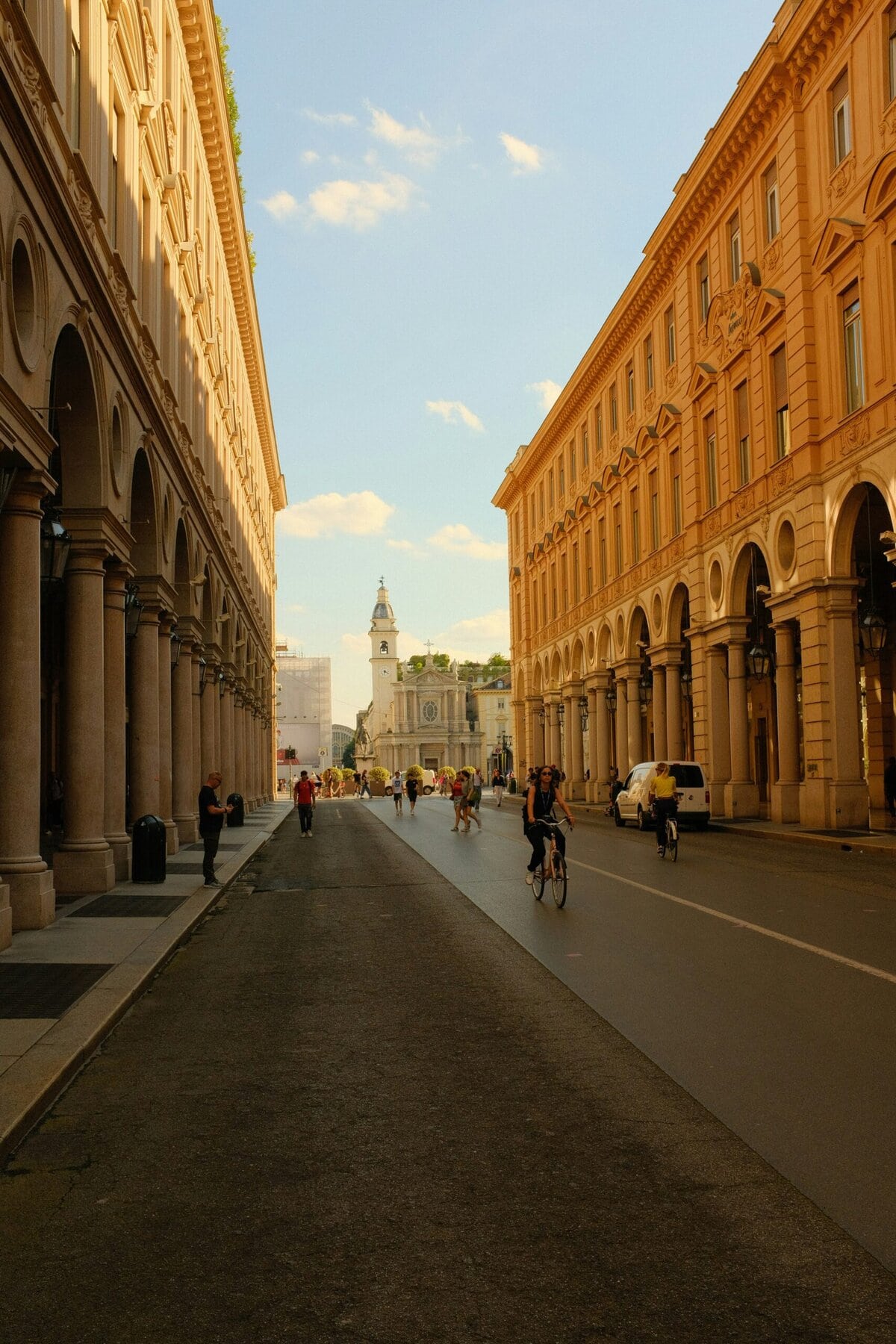
Table of Contents
- Turin Italy Overview
- Getting to Turin: Airport & Train Connections
- Egyptian Museum: World’s 2nd Largest Collection
- Royal Savoy Palaces UNESCO Sites
- Baroque Historic Center & Piazza Castello
- Mole Antonelliana & Cinema Museum
- Barolo Wine Region & Tours
- Alba White Truffles & Markets
- Turin Chocolate Culture: Bicerin & Gianduiotto
- Fiat Museum & Automotive Heritage
- Best Hotels in Turin Italy
- Dining & Piedmont Cuisine
- Day Trips: Milan, Wine Country, Alps
- Winter Sports & 2006 Olympics Legacy
- Helicopter Routes & Executive Transport
- Costs & Budgeting
- Practical Tips
- Frequently Asked Questions
Turin Italy Overview: Piedmont Capital & Hidden Gem
Turin Italy evolved from Roman Augusta Taurinorum through medieval commune to capital of Savoy dynasty (1563-1865 ruling Piedmont and eventually unified Italy 1861), creating royal architectural legacy, baroque urban planning, and cultural institutions reflecting centuries as significant European power versus provincial city status. The Savoy kings built spectacular palaces, commissioned churches and monuments, established museums and cultural foundations creating sophisticated capital rivaling other European courts. Italian unification (1861-1865) briefly made Turin Italy’s first capital before transfer to Florence then Rome, but the royal heritage persists through UNESCO-listed palaces and elegant urban fabric.
20th-century industrial development transformed Turin into automotive center—Fiat (Fabbrica Italiana Automobili Torino, founded 1899) grew into global corporation making Turin “Italian Detroit” with massive factories, working-class immigration, and industrial character overlaying aristocratic heritage. The 2006 Winter Olympics modernized infrastructure, created tourism awareness, and repositioned Turin beyond pure industry toward culture-tourism-services economy balancing Fiat’s declining employment with diversified activities. Today Turin operates as northern Italy’s underrated gem—substantial cultural offerings (Egyptian Museum rivals British Museum Egypt collection), world-class wine region gateway, royal architectural splendor, authentic Italian urban life, and values impossible in overcrowded Venice or Rome creating sophisticated destination for discerning travelers willing to explore beyond obvious Italian highlights.
Why Turin Differs from Milan & Other Italian Cities
Turin Italy occupies distinct position versus other northern Italian cities. Unlike Milan’s fashion-business focus, Turin emphasizes culture, wine, and royal heritage. Unlike Venice’s overwhelming tourism, Turin maintains authentic working city character—locals shopping markets, students attending university, residents living in historic center beyond seasonal tourist economies. Unlike Florence’s Renaissance concentration, Turin showcases baroque Savoy architecture creating different artistic period. Unlike Rome’s ancient-Christian layering, Turin’s coherent baroque urban planning creates unified elegant streetscapes versus chaotic Roman palimpsest.
The wine positioning proves particularly distinctive—Turin sits at Langhe wine region gateway (Barolo, Barbaresco, Alba) creating serious enological tourism versus Tuscany’s over-touristed Chianti or Veneto’s scattered Valpolicella. The Egyptian Museum provides world-class cultural anchor impossible to replicate—only Cairo houses more comprehensive Egypt collection, creating unique Italian attraction beyond Renaissance art and Roman ruins saturating other destinations. The Alps proximity (100km, one hour) enables combining urban culture with winter sports versus choosing between cities or mountains—Turin delivers both from single base.
Strategic Positioning
Turin Italy’s location creates optimal Piedmont exploration base—140km from Milan (one hour train), 60km from Alba wine country (wine tours daily), 100km from Alps ski resorts (Sestriere, Bardonecchia 2006 Olympics venues), 170km from Genoa Mediterranean coast, and 200km from Nice France enabling Italy-France connections. The positioning enables day trips throughout northwest Italy and beyond while maintaining sophisticated urban base avoiding constant accommodation changes or resort-town isolation. For comprehensive Milan travel guide including Turin day trips, see our detailed Milan Italy complete guide.

Getting to Turin Italy: Airport & European Connections
Turin Airport (Torino Caselle, TRN) sits 16 kilometers northwest providing regional European connections, while excellent train service links Turin to Milan, France, and throughout Italy creating comprehensive access options. Understanding transport choices enables selecting appropriate arrival methods for specific origins.
Turin Airport (TRN): Torino Caselle
Turin Caselle Airport handles 4+ million passengers annually serving primarily European destinations—major carriers include Alitalia, Lufthansa, Air France, British Airways, easyJet, Ryanair, plus others providing connections to European hubs and direct services to major cities. The single terminal offers straightforward layout with car rentals, currency exchange, shops, and basic services. Limited intercontinental flights mean most long-haul travelers arrive Milan Malpensa (140km, connections via train or car) accessing broader international network.
Airport to Turin City Center: **SADEM bus** operates airport-Porta Nuova train station (45 minutes, €7 one-way, departures coordinated with flights). **Taxis** charge fixed €30-35 daytime, €40-50 nighttime (30 minutes depending on traffic). **Private chauffeur** services €80-120 one-way. **Tram connection** requires bus to Caselle Aeroporto then tram to city (slow, budget option €2.50, 70 minutes total). Most visitors find SADEM bus providing optimal convenience-cost balance—reliable service, affordable fares, direct train station arrival enabling onward connections or central hotel access.
Train to Turin from Milan & Europe
Turin Porta Nuova station connects to Italian high-speed rail network and international services. Milan-Turin frequent trains require 60-90 minutes (€15-35 one-way depending on speed and advance booking, hourly departures throughout day)—convenient connection enabling practical Milan-Turin combinations. Paris-Turin TGV/Frecciarossa requires 5h 45min (€60-120, daily service). Nice-Turin regional trains require 4-5 hours via French Riviera coastal route (€30-50, stunning Mediterranean scenery). Venice-Turin: 4 hours (€35-70). Rome-Turin: 4h 15min (€50-90).
The train connections enable comprehensive car-free Italian touring—arrive Milan international airport, high-speed to Turin, explore Piedmont, continue elsewhere creating efficient itineraries maximizing train infrastructure versus car rental complexities. Turin’s central station location enables walking or short tram rides to hotels avoiding taxi requirements.
Drive to Turin & Piedmont
A4 motorway connects Milan-Turin (140km, 90 minutes, tolls €10-12), continuing west toward France via Frejus Tunnel. The highway provides efficient regional access though Turin historic center operates limited traffic zones (ZTL) restricting non-resident vehicles—hotels coordinate parking permits or direct to authorized garages (€20-30 daily). Self-driving suits Langhe wine region exploration (Alba, Barolo, Barbaresco villages) where public transport proves limited, and Alps access for winter sports. However, Turin city visits prove manageable car-free via excellent tram network and walkable historic center.
Helicopter Charter for Luxury Travelers
Helicopter services provide rapid regional connections and wine tour luxury. **Turin-Milan**: 30 minutes (€6,000-10,000 per flight, 4-6 passengers). **Turin-Nice**: 70 minutes (€12,000-18,000). **Turin wine region tours**: 60-90 minutes (€5,000-10,000) showcasing Langhe vineyards from spectacular aerial perspectives. **Turin-Geneva**: 90 minutes (€15,000-25,000). Services launch from Turin heliport or coordinate hotel/villa pickups for properties with facilities. For comprehensive helicopter charter pricing throughout Europe, see our detailed helicopter charter guide.
Egyptian Museum Turin: World’s 2nd Largest Egypt Collection
Museo Egizio (Egyptian Museum Turin) houses world’s second-largest and second-most-important Egyptian collection after Cairo Museum—40,000+ objects spanning ancient Egypt’s 4,000-year history including royal mummies, papyri, statues, sarcophagi, everyday objects, and archaeological treasures creating comprehensive survey of pharaonic civilization rivaling British Museum, Louvre, or any collection outside Egypt itself. Understanding the museum’s significance, key holdings, and visiting strategies proves essential for Turin cultural visits as this institution alone justifies city trips for serious museum enthusiasts.
Museum History & Significance
The collection originated with Savoy dynasty acquiring antiquities (1824 purchasing Bernardino Drovetti collection—French consul in Egypt who amassed 5,268 objects). Subsequent additions through 19th-20th century Italian archaeological missions to Egypt, purchases, and donations created comprehensive holdings. The museum pioneered Egyptology as scientific discipline—Jean-François Champollion (deciphered hieroglyphics using Rosetta Stone) studied Turin collection extensively declaring it superior to any European rival. Recent renovations (2015 expansion doubling display space) created world-class modern presentation maintaining Turin’s position as global Egyptology center outside Egypt.
The collection’s breadth enables comprehensive ancient Egypt understanding impossible through isolated museum highlights elsewhere—the Turin holdings span predynastic (5000 BC) through Roman period (300 AD), include royal and common artifacts, and provide continuous chronological coverage creating educational journey through millennia. UNESCO recognized the collection’s importance—along with Cairo Museum, British Museum, Louvre, Berlin Neues Museum, Turin represents top-five global Egypt collections making the city essential Egyptology pilgrimage destination.
Key Collection Highlights
**Royal Tomb of Kha** – The intact tomb of architect Kha and wife Merit (1400 BC) discovered 1906 contains complete grave goods—furniture, cosmetics, food, clothing, jewelry—providing extraordinary snapshot of 18th Dynasty life and burial practices. The tomb’s preservation rivals Tutankhamun’s though predates it by century. **Papyrus Collection** – Over 700 papyri including Turin Royal Canon (king list), Book of the Dead examples, administrative documents, and literary texts creating world’s most important papyrus holdings outside Cairo. **Nubian Collection** – Comprehensive Nubian artifacts from Italian excavations showcase Egypt’s southern neighbor cultures often overshadowed by pharaonic civilization.
**Temple of Ellesiya** – Complete Nubian temple (15th century BC, dismantled and relocated to Turin Museum saving it from Aswan Dam flooding) provides rare temple experience outside Egypt. **Statuary Collection** – Monumental royal statues (Ramses II, Tuthmosis III, others), deities, private individuals spanning dynasties demonstrate Egyptian sculpture evolution. **Mummy Collection** – Royal and private mummies (though current ethical debates limit public mummy display focusing on non-invasive CT scan presentations versus past sensational exhibitions).
Visiting Information & Strategy
Admission €18 adults, €15 reduced (students, seniors), €1 under 18 (EU residents), free first Tuesday monthly. Advance online booking recommended (€2 fee) avoiding entrance queues particularly weekends and school holidays when Italian families visit. Open Tuesday-Sunday 9am-6:30pm, Monday 9am-2pm. Plan minimum 3-4 hours for thorough visit—the collection’s size rewards extended exploration versus rushed museum sprints attempting seeing everything inadequately.
Chronological organization enables following Egyptian history from predynastic through Roman era—start second floor (earliest periods), descend through millennia to ground floor (late periods, Nubian, temple). Audio guides (€5) provide excellent context though wall texts suffice for general appreciation. Photography permitted without flash. The museum café and bookshop enable breaks and souvenir purchases. Consider multiple visits over several days for serious Egypt enthusiasts—the holdings justify repeated returns impossible to absorb single session. Check current exhibitions and programs at Museo Egizio official website.
Kristaps Grundsteins
Royal Savoy Palaces UNESCO World Heritage Sites
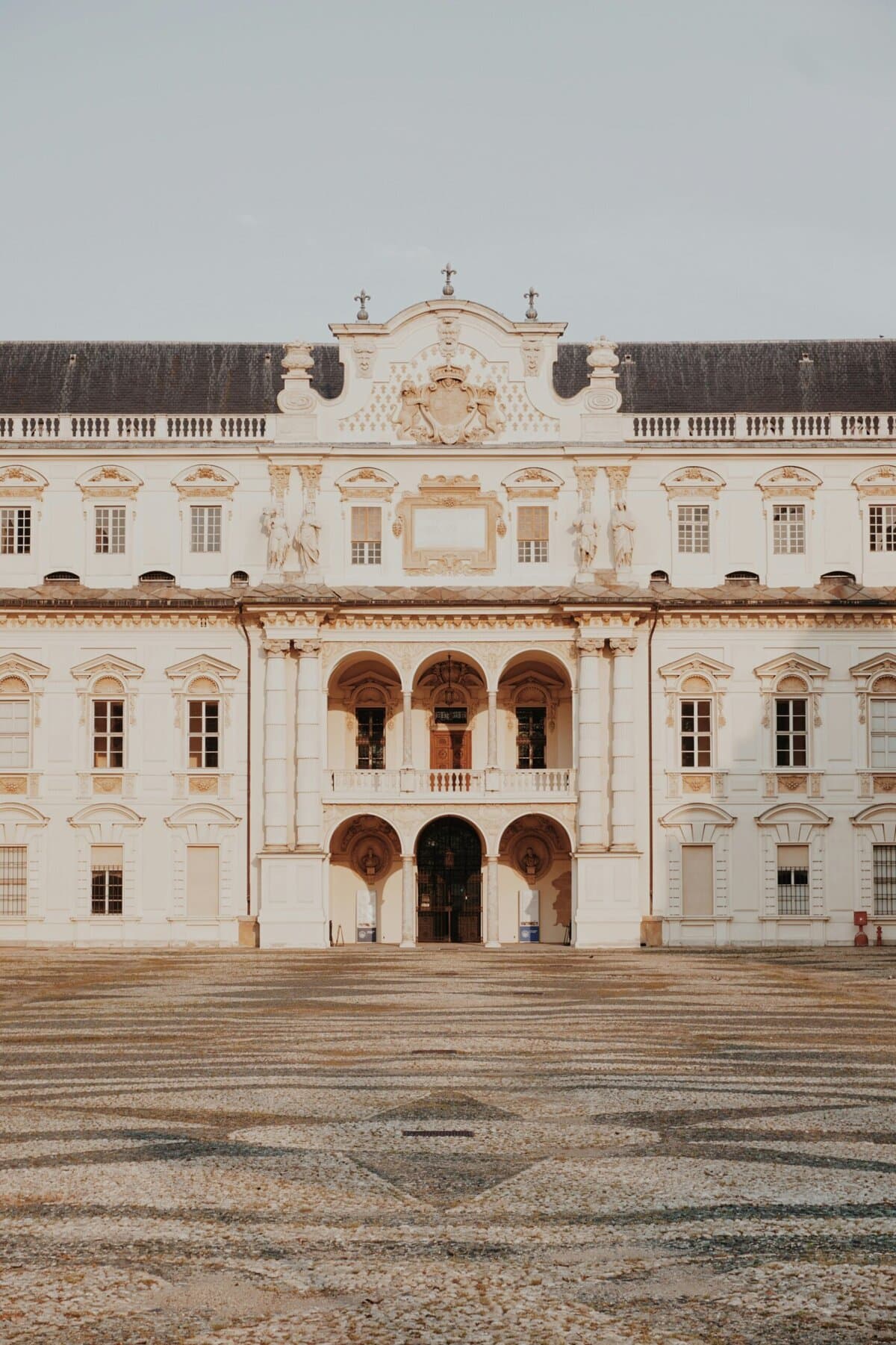
Turin Italy and surrounding Piedmont host **5 Royal Savoy Residences** inscribed on UNESCO World Heritage List (1997) as “exceptional testimony to European absolutist monarchy” showcasing baroque and neoclassical architecture, formal gardens, hunting lodges, and royal lifestyle spanning 16th-19th centuries. Understanding the palace network and visiting strategies enables comprehensive royal heritage exploration creating distinctive Turin cultural angle impossible in Italian cities lacking comparable dynastic legacies.
Royal Palace of Turin (Palazzo Reale)
The Royal Palace occupies Turin’s central Piazza Castello operating as Savoy dynasty primary residence and administrative headquarters. The baroque palace (16th-18th centuries) features royal apartments preserving period furnishings, throne room, ballrooms, chapel, armory, and Royal Gardens. Combined ticket (€15) includes palace, Royal Armory (weapons collection), Sabaud Gallery (royal art collection including Van Dyck, Veronese), and Royal Gardens. Open Tuesday-Sunday 9am-7pm. Plan 2-3 hours for thorough visit. The central location enables easy inclusion in historic center walking tours providing royal context for Turin’s baroque streetscapes.
Reggia di Venaria Reale
Venaria Reale, 10 kilometers north of Turin, represents Piedmont’s Versailles—massive baroque palace complex (1659) combining royal residence, gardens (80 hectares), and contemporary art installations creating comprehensive UNESCO experience. The palace showcases spectacular baroque decorations, Diana’s Gallery (140-meter gallery), Court Theater, and extensive formal gardens demonstrating Savoy absolutist ambitions matching Versailles or other European royal estates. Admission €15 palace, €25 combined ticket including gardens. Open Tuesday-Sunday 9am-6pm. Plan full day for comprehensive visit including gardens and park. Accessible via regional train or bus from Turin (30 minutes). Priority UNESCO palace visit given scale and preservation quality. Check exhibitions and events at Venaria Reale official website.
Palazzina di Caccia di Stupinigi
Stupinigi hunting lodge, 10 kilometers southwest, displays rococo extravagance—designed by architect Juvarra (early 1700s) featuring elaborate decorations, vast hunting park, and royal apartments demonstrating Savoy passion for hunting and country leisure. The palace hosts Museum of Furniture and Furnishings displaying period pieces. Admission €12. Open Tuesday-Sunday 10am-5pm. The suburban location requires car or bus (45 minutes from Turin center), making it third-priority after Royal Palace and Venaria for time-limited visits, though architecture and furnishing enthusiasts find it essential.
Additional UNESCO Savoy Residences
**Castello del Valentino** (Turin Valentino Castle) occupies riverfront park location featuring French-style castle (17th century, now Architecture school, limited public access). **Castello di Rivoli** (15km west) houses Contemporary Art Museum in partially-completed baroque palace combining royal architecture with cutting-edge art creating hybrid historical-contemporary experience. These secondary residences enable comprehensive Savoy heritage exploration for enthusiasts with extended Turin stays, though Royal Palace-Venaria combination provides substantial royal experience for typical visitors. Complete UNESCO listing information at UNESCO World Heritage Centre.
Turin Baroque Historic Center & Piazza Castello
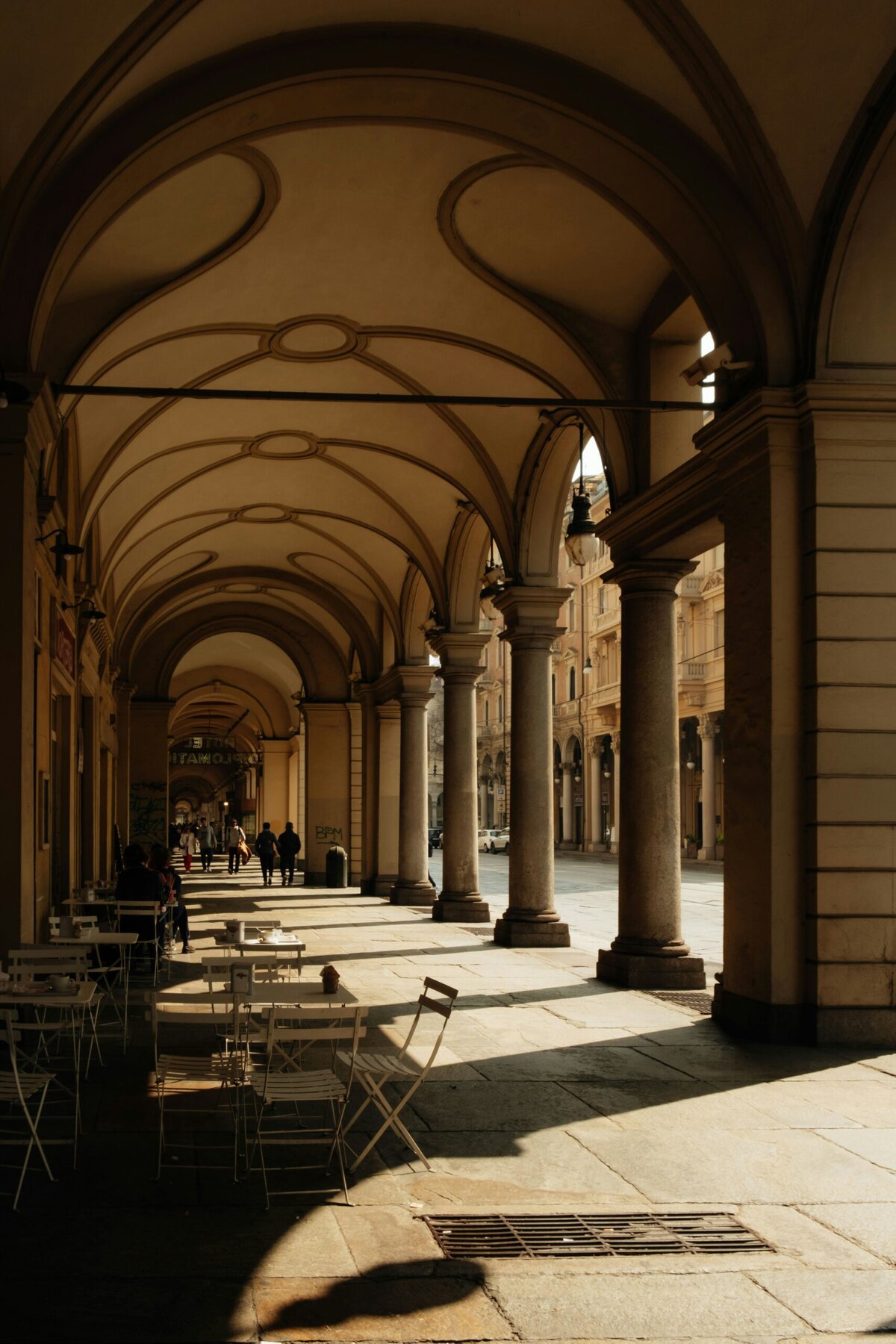
Turin Italy’s historic center showcases coherent baroque urban planning—wide straight streets (rare Italian cities’ typical medieval tangles), arcaded sidewalks (18 kilometers covered porticoes enabling weather-protected walking), elegant piazzas, and unified architectural character creating sophisticated streetscapes reflecting Savoy royal ambitions versus organic medieval growth defining most Italian historic centers.
Piazza Castello: Royal Heart
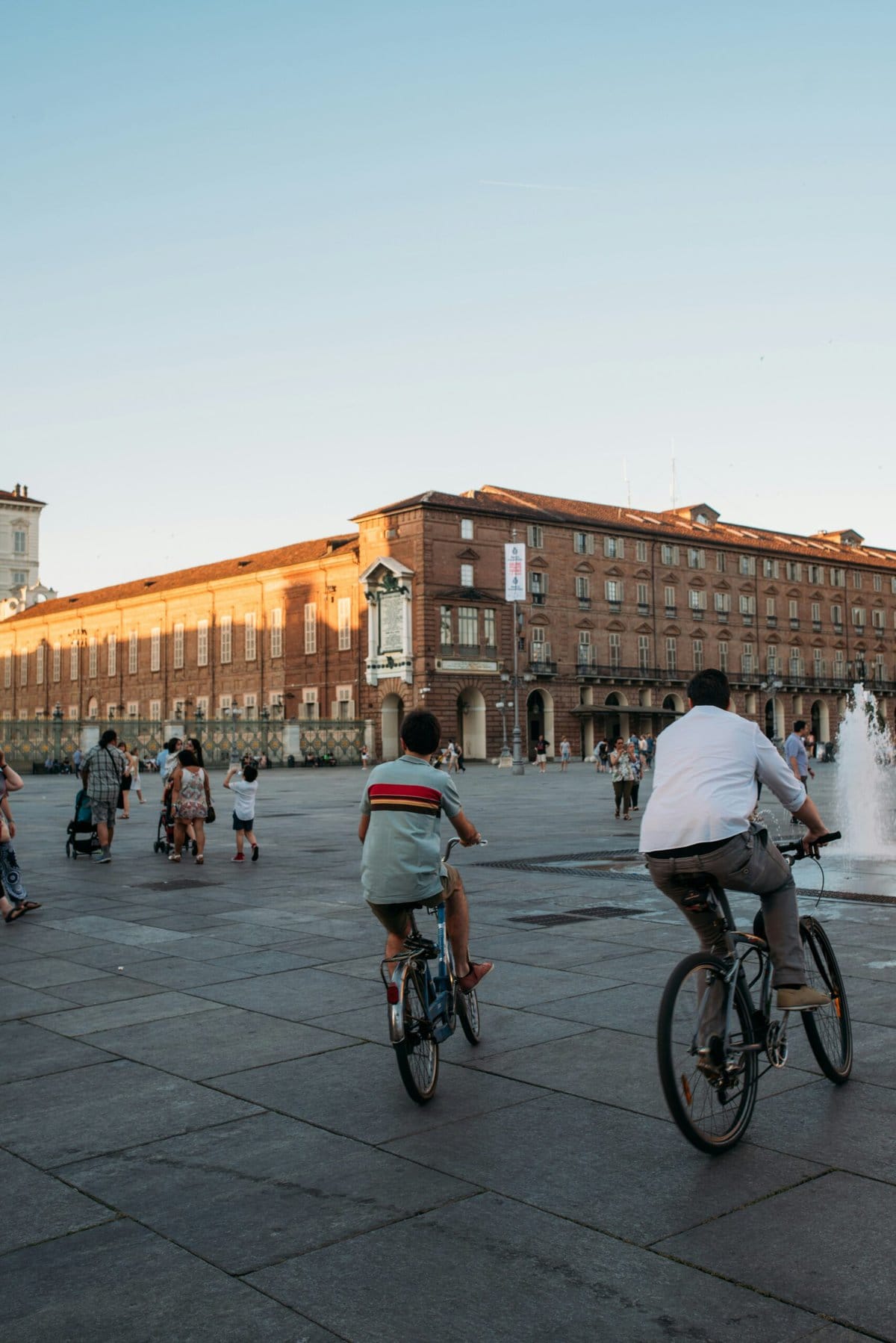
Piazza Castello operates as Turin’s central square—Palazzo Madama (medieval castle with baroque facade, now Civic Museum), Teatro Regio (opera house), Royal Palace, Royal Church of San Lorenzo, and surrounding porticoed buildings creating architectural ensemble demonstrating Savoy power. The square functions as Turin living room—locals crossing to work, tourists photographing monuments, political demonstrations occupying public space, and social life animating elegant surroundings. Outdoor cafés under porticoes provide people-watching venues enabling Turin atmosphere absorption while resting between cultural attractions.
Via Roma & Arcaded Shopping
Via Roma connects Piazza Castello to Porta Nuova train station—grand baroque avenue featuring luxury boutiques under continuous arcades enabling rain-protected shopping. The street showcases Turin’s arcade culture—18 kilometers total throughout city creating Europe’s most extensive arcade system enabling walking entirely covered during poor weather. Major Italian fashion brands (Prada, Gucci, Ferragamo), international luxury (Hermès, Louis Vuitton), jewelry, bookshops, and cafés line Via Roma creating elegant shopping experience versus Milan’s famous Galleria concentration but with Turin’s more relaxed atmosphere.
Piazza San Carlo: Turin’s Drawing Room
Piazza San Carlo, off Via Roma, represents baroque urban planning elegance—symmetrical buildings, twin baroque churches, Carlo Alberto equestrian statue, and famous historic cafés (Caffè Torino, Caffè San Carlo) creating “Turin’s drawing room” where residents and visitors gather. The square provides social focal point—aperitivo under arcades, post-dinner passeggiata, and people-watching revealing Turin’s sophisticated urban culture beyond pure sightseeing. Allow time sitting café terraces absorbing atmosphere versus merely photographing monuments rushing to next attraction.
Roman Ruins & Ancient Turin
Limited Roman remains survive (medieval and baroque development obscured ancient Augusta Taurinorum), though **Palatine Towers** (Porta Palatina, 1st century BC) preserve impressive gate sections. **Archaeological Museum** (€8, combined ticket with Royal Palace) displays Roman artifacts from Turin and Piedmont excavations. The limited Roman presence creates contrast versus Rome’s overwhelming classical layering—Turin emphasizes baroque-royal identity over ancient heritage typical throughout Italy.

Mole Antonelliana & National Cinema Museum
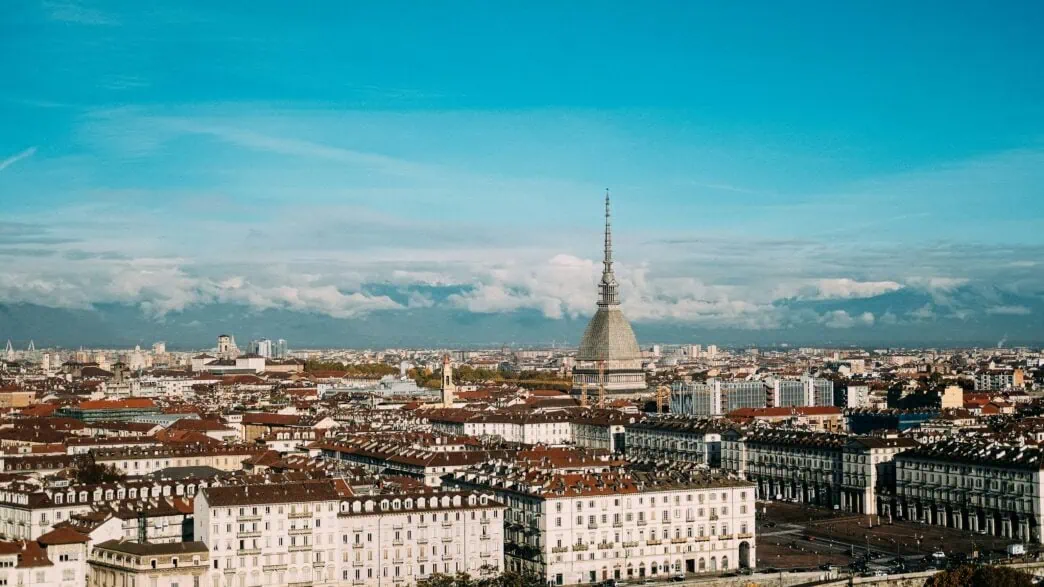
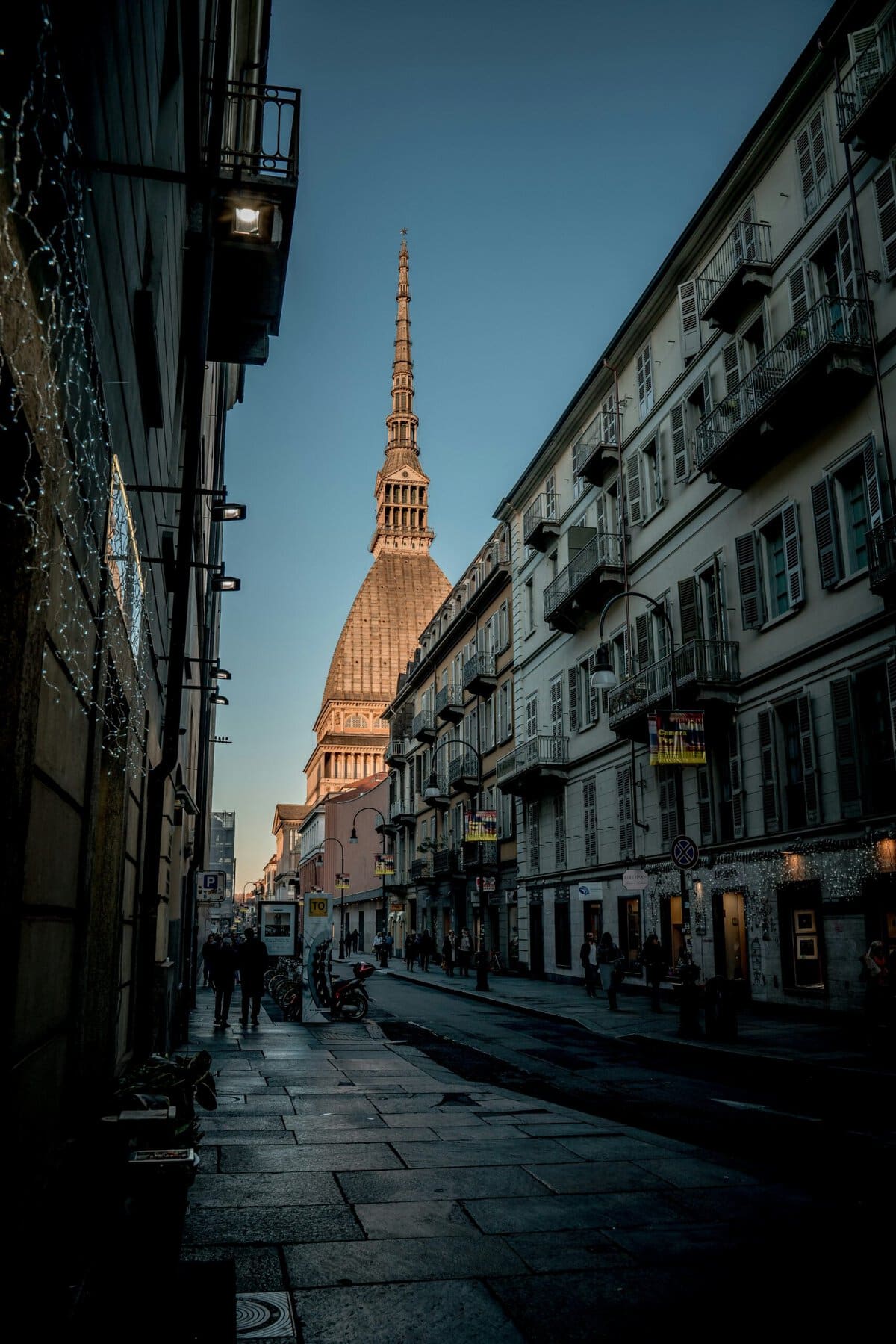
Mole Antonelliana represents Turin Italy’s most iconic monument—167.5-meter tower (tallest unreinforced brick building Europe) dominating skyline, housing National Cinema Museum, and providing panoramic Turin-Alps views creating essential architectural-cultural experience combining monument appreciation, film history, and spectacular vistas.
Architecture & Monument History
The Mole (Italian “massive building”) began as synagogue commission (1863) with architect Alessandro Antonellini gradually increasing height beyond original plans creating soaring spire visible throughout Turin. Jewish community couldn’t afford completion, transferring it to city (1878) who finished it as monument to Italian unification (1889). The brick construction—no steel reinforcement, entirely load-bearing masonry—demonstrates engineering audacity pushing 19th-century building technology to limits. Earthquake damage (1953) required steel reinforcement preserving the structure, and television antenna addition (1961) further increased height creating current profile.
National Cinema Museum (Museo Nazionale del Cinema)
The National Cinema Museum occupies the Mole’s interior showcasing film history from pre-cinema optical devices through contemporary digital technology. The museum emphasizes vertical space—spiral exhibition path ascending through building interior, cinema-themed displays, interactive installations, film clips, props, posters, and comprehensive survey of movie-making art. Particular strengths include Italian cinema (Fellini, Visconti, De Sica), early film history, and immersive exhibits enabling visitors experiencing film from creator and audience perspectives.
Admission €15 museum, €11 panoramic lift, €20 combined ticket (both museum and lift recommended for complete Mole experience). Open Monday 9am-6pm, Tuesday-Friday-Sunday 9am-8pm, Saturday 9am-11pm. Plan 2-3 hours for museum plus lift visit. The museum suits film enthusiasts, families (interactive elements engage children), and anyone seeking comprehensive cinema cultural experience beyond specific Turin connection—Italy’s film heritage justifies serious museum treatment the Mole provides.
Panoramic Views
The glass lift ascends 85 meters to panoramic terrace providing spectacular 360-degree Turin-Alps-Po Valley views. Clear days reveal Mont Blanc, Matterhorn, Monte Rosa Alpine peaks defining western-northern horizons, Superga basilica hilltop east, and Turin spreading across plain demonstrating city’s strategic Alps-plain gateway position. Sunset visits create romantic atmosphere though midday clarity maximizes mountain visibility. The lift operates independently—visitors can ascend for views without museum visit (€11), though combined ticket provides best value experiencing monument comprehensively.
Barolo Wine Region & Tours from Turin Italy
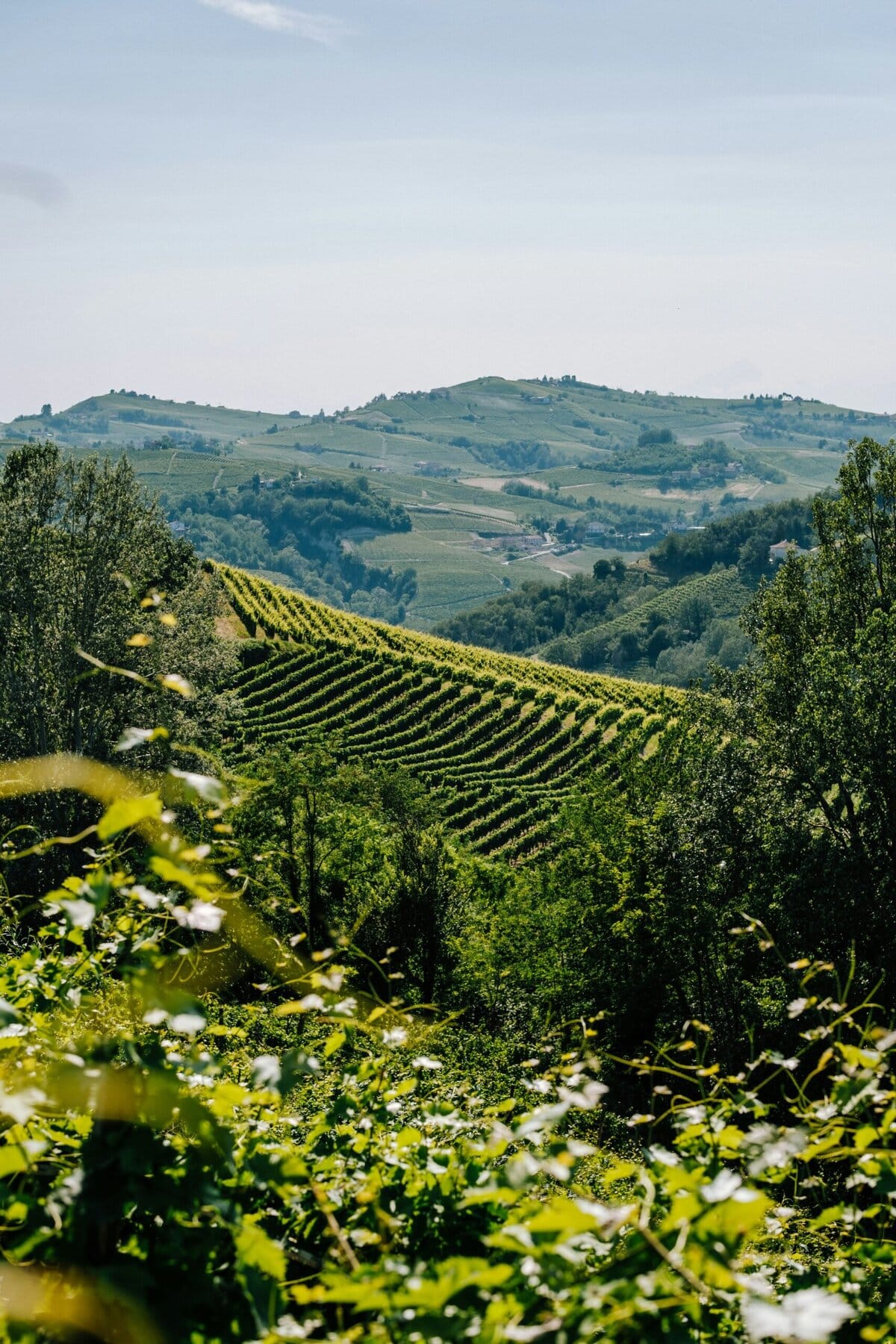
The Langhe wine region, 60 kilometers south of Turin Italy, produces legendary Barolo and Barbaresco wines from Nebbiolo grapes—complex, powerful, age-worthy reds ranking among world’s finest competing favorably with Burgundy, Bordeaux, or Tuscany’s Super Tuscans for prestige, pricing, and collector enthusiasm. Understanding the wine region and organizing tours from Turin enables experiencing Piedmont’s ultimate culinary attraction creating wine-focused Italian travel rivaling any global wine destination.
Barolo & Barbaresco: The King & Queen
**Barolo** (titled “King of Wines, Wine of Kings”) produces from designated vineyard areas around 11 communes south of Alba—the wine requires minimum 3 years aging (5 for Riserva), develops complex flavors (tar, roses, red fruits, truffles), and commands €50-500 bottles depending on producer, vineyard (cru), and vintage. The tannic structure, high alcohol (14%+), and aging potential create wines requiring patience—young Barolo proves harsh, but 10-20 year aged bottles display extraordinary complexity justifying prices and reputation. Major producers include Giacomo Conterno, Bruno Giacosa, Gaja, Ceretto, Mascarello, creating investment-grade wines trading on secondary markets like fine Burgundy.
**Barbaresco** produces northeast of Alba from similar Nebbiolo grapes but shorter aging requirements (2 years minimum) creating slightly more accessible style while maintaining quality rivaling Barolo. The “Queen” versus Barolo’s “King” designation reflects traditional gender stereotypes (more elegant, refined versus powerful, structured) though contemporary winemaking blurs these distinctions. Premier producers include Gaja (internationally renowned), Produttori del Barbaresco (cooperative maintaining exceptional standards), Bruno Giacosa, creating wines €40-300 bottles.
Organized Wine Tours from Turin
Multiple tour operators provide Langhe wine tours from Turin—half-day (€100-180 per person), full-day (€180-300), or multi-day (€500-1,000+) including transport, winery visits with tastings, lunch at agriturismo or winery restaurant, and guide providing wine education and regional context. Tours typically visit 2-3 wineries ranging from family estates to larger commercial producers, enabling style comparisons and comprehensive regional understanding. The organized tours eliminate driving concerns (Langhe roads wind through hills creating challenging navigation), provide expert guidance, and enable wine consumption without designated driver limitations.
Book through Turin tourism office, hotel concierges, or online platforms (Wine Paths, Local Aromas, specialized Piedmont wine tour companies). Advance reservations (weeks-months) prove necessary particularly September-October harvest season and Alba truffle fair period when demand peaks. Consider private tours (€400-800 daily, 2-6 people) enabling customized itineraries, flexibility, and access to smaller boutique producers requiring advance arrangements impossible in large group tours.
Self-Drive Wine Touring
Self-drive enables maximum flexibility—visit specific desired producers, spontaneous stops at vineyard viewpoints, explore villages beyond standard tour routes, and multi-day immersion impossible in day-tour timeframes. However, challenges include designated driver necessity (severely limiting wine tasting participation), winery visits requiring advance reservations (walk-in tastings rare at serious producers), complex navigation through unmarked hillside roads, and no expert guidance providing wine education.
The strategy works best for serious wine enthusiasts targeting specific producers, groups with designated driver volunteering, or combining with overnight Langhe accommodation enabling evening wine consumption without driving. Key producers accepting visits (advance booking essential): **Marchesi di Barolo**, **Fontanafredda** (large estate with comprehensive visitor facilities), **Ceretto**, **Vietti**, numerous smaller family estates listed through regional wine associations or specialized wine touring websites providing booking coordination.
Helicopter Wine Tours
Helicopter wine tours provide ultimate Langhe experience—aerial perspectives showcasing UNESCO-listed vineyard landscapes, rapid multi-winery visits impossible ground transport, exclusive access to hillside properties, and dramatic Alps-vineyards-medieval castle views. Tours operate 60-90 minutes flight time visiting 2-3 wineries with gourmet lunch (€500-800 per person, minimum 4 passengers) or full-day programs (€5,000-10,000 entire helicopter, 4-6 passengers) including multiple wineries, extended tastings, Michelin-starred dining, creating once-in-lifetime wine experiences for special occasions or ultra-wealthy wine enthusiasts justifying premium costs.
Alba White Truffles & Markets
Alba, 60 kilometers south of Turin Italy, operates as Langhe region capital famous for **white truffles** (tartufi bianchi)—extraordinarily expensive fungi (€200-800 per 100g, up to €4,000/kg exceptional specimens) appearing October-November creating luxury culinary season attracting gourmands worldwide. Understanding truffle culture and visiting Alba during season enables experiencing Piedmont’s ultimate luxury food product rivaling caviar or saffron for prestige and pricing.
White Truffle Season & Pricing
Alba white truffles appear October-November (occasionally extending early December depending on weather and harvest quality). The fungi grow wild in Langhe oak and hazelnut forests, harvested by trained truffle dogs (traditional pigs largely replaced by dogs more manageable and less inclined eating discovered truffles), creating limited unpredictable supply driving extreme prices. Exceptional harvest years see prices €200-300 per 100g, poor years reach €600-800, with record-setting specimens achieving thousands euros at charity auctions creating luxury product mystique.
The aroma—described as earthy, garlicky, slightly funky—either attracts passionately or repels strongly with little middle ground. Culinary applications emphasize simplicity showcasing truffle flavor—shaved raw over fresh pasta, risotto, eggs, or beef carpaccio with minimal additional seasoning allowing truffle dominating. Restaurants throughout Piedmont feature truffle menus October-November (€80-200 per person typical, varying by truffle quantity and restaurant prestige), enabling tasting without purchasing entire truffles requiring proper storage and immediate consumption.
Alba Truffle Fair
Alba hosts International White Truffle Fair (Fiera Internazionale del Tartufo Bianco d’Alba) weekends October-November—market stalls selling truffles, regional products, wines, plus cooking demonstrations, tastings, and events celebrating truffle season. The fair attracts thousands including serious buyers (restaurants, specialty food shops), curious tourists, and wealthy individuals purchasing truffles for home cooking or gifts. The atmosphere combines agricultural market authenticity with luxury positioning—farmers in muddy boots selling €500 fungi creates unique juxtaposition impossible to experience elsewhere.
Truffle market operates Saturday-Sunday throughout season (specific dates vary annually, typically mid-October through mid-November). Advance hotel bookings essential—Alba accommodations fill months ahead, overflow to surrounding villages or day-trip from Turin base (organized tours or self-drive). Beyond truffles, Alba offers medieval historic center, wine shops, restaurants, and atmospheric Piedmont small-town character justifying visits year-round despite truffle season creating peak interest.
Truffle Hunting Experiences
Truffle hunting tours enable joining truffle hunters (trifolau) and trained dogs into forests searching fungi. Tours operate morning (optimal hunting time) including 2-3 hour forest walks, dog demonstrations finding truffles, explanations of truffle ecology and hunting traditions, and typically lunch featuring truffle dishes showcasing harvest. Costs €150-400 per person depending on group size and inclusions. The experiences provide insight into truffle culture beyond pure culinary consumption, though finding success not guaranteed—truffle locations remain secret, dogs may or may not discover truffles on any given day, creating authentic unpredictable experience versus guaranteed tourist show.
Turin Italy Chocolate Culture: Bicerin & Gianduiotto
Turin Italy claims Italian chocolate capital status through historical connections, signature preparations, and continuing chocolate craftsmanship creating distinctive sweet culture beyond generic Italian dessert traditions. Understanding Turin chocolate heritage enables culinary experiences impossible elsewhere in Italy rivaling Swiss or Belgian chocolate tourism.
Bicerin: Turin’s Signature Drink
Bicerin (Piedmontese dialect “small glass”) combines espresso, chocolate, and cream in layered preparation creating Turin’s signature hot beverage served at historic cafés throughout city. The drink originated 18th-century (precise history debated, though Caffè al Bicerin claims 1763 origins), becoming Turin social ritual consumed mornings or afternoon breaks. The preparation requires skill—carefully layering three components creating distinct visual strata, balanced proportions preventing any element overwhelming others, and immediate consumption before layers integrate losing distinctive character.
**Caffè al Bicerin** (Piazza della Consolata 5) operates as historic birthplace maintaining traditional recipes and Belle Époque atmosphere justifying pilgrimage for beverage enthusiasts. The tiny café seats 20-30 people in period setting featuring dark wood, mirrors, and century-old ambiance. Bicerin costs €5-6, consumed standing at bar or seated at small tables. The experience combines drink itself with atmospheric setting creating complete Turin cultural moment beyond mere caffeine-chocolate consumption. Open daily, expect queues peak times though rapid turnover maintains reasonable waits.
Gianduiotto Chocolate
Gianduiotto represents Turin’s signature chocolate—hazelnut-chocolate blend (approximately 30% hazelnuts) creating smooth creamy texture and distinctive flavor. The chocolate originated 1860s when cocoa shortages during Napoleonic blockades necessitated extending chocolate with local Piedmont hazelnuts creating distinctive preparation eventually becoming regional specialty. The name derives from Gianduja, Piedmont carnival character, with gianduiotto individual chocolate pieces shaped like upturned boat hulls traditionally wrapped in gold-brown foil.
Major producers include **Caffarel** (original creators, factory tours available), **Venchi** (historic chocolatier with multiple Turin shops), **Guido Gobino** (contemporary artisan creating modern interpretations), and numerous smaller artisanal producers throughout city. Quality gianduiotto costs €2-4 per piece in specialty shops versus €0.50-1 industrial versions in supermarkets—the price difference reflects quality hazelnut proportions, cocoa sourcing, and artisanal production justifying premium for serious chocolate appreciation. Gianduiotto makes excellent gifts or souvenirs enabling sharing Turin specialty beyond perishable food products.
Historic Chocolate Cafés
Beyond Bicerin, Turin hosts historic chocolate cafés maintaining Belle Époque traditions. **Caffè Mulassano** (Piazza Castello, since 1907) serves hot chocolate and pastries in Art Nouveau interior. **Caffè San Carlo** (Piazza San Carlo, since 1822) combines café with chocolate shop selling artisanal productions. **Baratti & Milano** (Galleria Subalpina, since 1873) operates chocolate shop-café in elegant gallery setting. These establishments provide atmospheric settings combining chocolate consumption with Turin’s sophisticated café culture creating experiences beyond mere sweet consumption to social-cultural rituals central to Piedmont lifestyle.
Francesco Zivoli
Fiat Museum & Automotive Heritage
Turin Italy’s 20th-century identity intertwined with Fiat (Fabbrica Italiana Automobili Torino, founded 1899) creating industrial character, working-class immigration, and automotive heritage persisting despite manufacturing decline. Understanding Fiat legacy and visiting National Automobile Museum enables appreciating Turin’s industrial dimension complementing royal-cultural attractions creating comprehensive city portrait.
MAUTO: National Automobile Museum
Museo Nazionale dell’Automobile (MAUTO) houses comprehensive automobile history—200+ vehicles spanning 1890s to present, Italian automotive focus (Fiat, Lancia, Alfa Romeo, Ferrari), international comparison cars, design evolution displays, and motorsport sections creating sophisticated museum transcending simple car show to examine automobiles’ social-cultural-technological impact. The collection includes rare early vehicles, racing cars, concept designs, and comprehensive Fiat production history documenting company’s role creating Italian mass motorization postwar economic boom.
Admission €15 adults, €12 reduced. Open Monday 10am-2pm, Tuesday-Wednesday-Thursday-Sunday 10am-7pm, Friday-Saturday 10am-9pm. Plan 2-3 hours for thorough visit—the museum’s sophistication rewards extended exploration versus quick walk-through. The sleek contemporary building (2011 renovation) creates excellent display environment highlighting vehicles as aesthetic objects beyond pure engineering documentation. Location south of center requires tram (Line 1 to Castello del Valentino, 5-minute walk) or taxi (€10-15 from center). Check current exhibitions at MAUTO official website.
Lingotto Fiat Factory: Industrial Heritage
Lingotto, former Fiat manufacturing plant (1923-1982), now operates as shopping-conference-hotel complex maintaining iconic rooftop test track—spiral ramps ascending building to roof where cars tested creating famous architectural feature featured in “The Italian Job” (1969 film). The building represents industrial architecture landmark—five-story factory with production starting ground floor, progressively completed ascending to rooftop testing creating rational manufacturing flow.
Conversion (1980s-2000s, architect Renzo Piano) transformed factory into multi-use complex—shops, restaurants, cinema, hotel (NH Lingotto), conference center, and Pinacoteca Giovanni e Marella Agnelli art gallery (€10, Agnelli family private collection including Matisse, Canova, Picasso) accessible to public on former factory roof. The rooftop track enables walking/jogging the famous banked curves where Fiat 500s once tested creating atmospheric industrial heritage experience. Free rooftop access (via Pinacoteca entrance or hotel, ask at information desks), open daily. The site rewards industrial architecture enthusiasts, Fiat history fans, or those seeking unusual Turin perspectives beyond baroque palaces.
Best Hotels in Turin Italy
Turin Italy hotel scene ranges from converted royal palaces to practical business hotels, creating comprehensive accommodation spectrum. Understanding hotel positioning enables selecting lodging matching specific priorities from ultimate historic luxury to efficient modern comfort.
Royal Palace Luxury: NH Collection Torino Piazza Carlina
NH Collection Piazza Carlina occupies 18th-century palace in elegant residential square—original frescoes, period architectural details, contemporary comfort upgrades, central location, and hotel operating within authentic Turin palazzo creating historic atmosphere impossible in modern constructions. Rates: €150-300 doubles (seasonal variation). The property suits travelers valuing historic character, central position, and four-star comfort without extreme luxury pricing.
Contemporary Comfort: EDIT Torino
EDIT Torino delivers design hotel aesthetic in early 1900s building—contemporary art, minimalist interiors, tech-forward amenities, rooftop bar, and modern Italian hospitality meeting international design hotel standards. Rates: €180-350 doubles. Attracts design-conscious travelers, those preferring contemporary versus period style, and visitors seeking Instagram-worthy interiors versus authentic baroque preservation.
Business Practical: Starhotels Majestic
Starhotels Majestic provides reliable business hotel comfort near Porta Nuova station—efficient service, soundproofed rooms, meeting facilities, straightforward contemporary comfort, and convenient transport access. Rates: €100-200 doubles. Suits business travelers, brief Turin stops, and pragmatic tourists prioritizing value and functionality over atmospheric character or design statements.
Budget Value: B&B Hotel Torino
B&B Hotels and similar budget chains provide basic accommodation €60-100 doubles—clean modern rooms, WiFi, breakfast, straightforward amenities without luxury pretensions. Locations near station and peripheral areas offer cheaper alternatives to expensive center properties. Suits backpackers, budget travelers, extended stays requiring economical daily rates, or those prioritizing activity budgets over sleeping quarters. The savings fund wine tours, museum visits, truffle meals, or longer trips versus splurging accommodations.
Accommodation Strategy
Choose **historic palaces** (€150-300) for: atmosphere seekers, romantic travelers, those valuing authentic period settings, special occasions justifying upgraded accommodation. Choose **contemporary design** (€180-350) for: design enthusiasts, Instagram-focused travelers, preferring modern over period, younger demographics. Choose **business practical** (€100-200) for: efficient functionality, convenient transport access, brief stops, business travel. Choose **budget** (€60-100) for: backpackers, extended trips, economical priorities, activity budget focus. Most visitors find mid-range historic or contemporary (€120-250) providing optimal quality-value balance—adequate comfort and atmosphere without extreme pricing.
Grigorii Shcheglov
Dining & Piedmont Cuisine in Turin Italy
Turin Italy dining showcases Piedmont regional cuisine—white truffles (October-November), tajarin pasta (egg yolk noodles), vitello tonnato (cold veal with tuna sauce), brasato al Barolo (beef braised in Barolo wine), bagna cauda (hot anchovy-garlic dip), and hazelnuts throughout preparations reflecting local agriculture. Understanding regional specialties enables authentic culinary experiences beyond generic Italian menus.
Traditional Piedmont Specialties
**Tajarin** represent Piedmont’s signature pasta—thin egg noodles (extremely high egg yolk ratio creating rich yellow color and luxurious texture) typically served with meat sauce (ragù), butter and sage, or during truffle season shaved white truffles. **Agnolotti del plin** feature small meat-filled ravioli pinched closed (plin = pinch in Piedmontese dialect) served in meat broth or butter-sage. **Vitello tonnato** combines cold sliced veal with creamy tuna-caper-anchovy sauce creating surprising successful combination—traditional appetizer course throughout Piedmont. **Brasato al Barolo** slow-braises beef in Barolo wine creating tender meat with rich wine sauce demonstrating Piedmont cooking-wine integration. **Bagna cauda** (literally “hot bath”) provides winter-season communal dish—anchovy-garlic-olive oil sauce kept warm at table for dipping vegetables creating rustic social preparation.
Restaurants in Turin Historic Center
**Ristorante Consorzio** emphasizes traditional Piedmont ingredients in contemporary preparations—seasonal menus, excellent wine list featuring Langhe wines, casual-elegant atmosphere (€40-70 per person). **Trattoria Valenza** delivers authentic family-run tradition—generous portions, traditional recipes, local clientele, fair pricing (€25-40 per person, closed Sundays). **Del Cambio** operates Turin’s most historic restaurant (since 1757)—Michelin-starred refined Piedmont cuisine, Belle Époque interior, expensive but special-occasion worthy (€100-180 per person). **Scannabue** combines traditional Piedmont with creative touches in casual atmosphere (€35-60 per person).
Truffle Season Dining
October-November white truffle menus appear throughout Turin restaurants—€80-200 per person typical depending on truffle quantity. The preparations emphasize simplicity—fresh tajarin pasta with butter and shaved truffle, beef carpaccio with truffle, risotto with truffle, fried eggs with truffle—allowing fungi’s extraordinary aroma and flavor dominating. Portion sizes seem small but truffle’s intensity justifies restraint—25-30g truffle per pasta portion suffices creating powerful flavor. For budget truffle tasting, order single truffle dish (€30-50) sampling the experience without committing to full truffle menu extremes.
Day Trips from Turin Italy
Turin Italy’s strategic position enables comprehensive Piedmont exploration—Milan urban culture, Langhe wine country, Alps winter sports, Lake Maggiore, and beyond creating diverse excursion possibilities from single Turin base avoiding constant accommodation changes.
Milan Day Trip from Turin
Milan sits 140 kilometers east (60-90 minute train €15-35, hourly departures) enabling practical Turin-Milan combinations. The journey suits those wanting Milan highlights (Duomo, Last Supper, fashion shopping, Brera) while sleeping in less expensive Turin hotels (30-40% below Milan equivalents for similar quality). Morning train Milan, full day sightseeing, evening return Turin creates manageable itinerary. However, comprehensive Milan exploration justifies overnight stays given cultural depth—assess whether specific Milan interests warrant dedicated time or if Turin-based day trip suffices. For comprehensive Milan travel guide, see our detailed Milan Italy complete guide.
Langhe Wine Country: Alba, Barolo, Barbaresco
Covered comprehensively in Barolo wine section above—organized tours (€100-300) provide easiest access, self-drive enables flexibility but requires designated driver, and the region’s cultural-culinary offerings justify full-day or multi-day immersion versus rushed half-day excursions. The 60-kilometer distance enables practical day trips while extended Langhe stays create deeper wine-truffle-village experiences impossible through brief visits.
Alps Winter Sports & Sestriere
Covered in Winter Sports section below—2006 Winter Olympics venues including Sestriere ski resort sit 100 kilometers west (90 minutes drive). The proximity enables winter sports day trips from Turin base versus requiring Alpine resort accommodation, though serious skiing justifies multi-day mountain stays maximizing lift time versus daily Turin-Alps commutes consuming vacation time in transit.
Lake Maggiore & Stresa
Lake Maggiore, 130 kilometers north (90 minutes drive or 2 hours train via Novara), provides Italian lakes alternative to Como—Borromean Islands (Isola Bella baroque palace-gardens, Isola Madre botanical gardens), Stresa resort town, and Switzerland’s Ticino canton bordering northern lake creating international lake exploration. Full-day excursions enable island visits, Stresa lunch, lakefront walking. The distance stretches day-trip feasibility—early departure, late return necessary, or consider overnight Stresa accommodations enabling more relaxed lake appreciation.
Winter Sports & 2006 Olympics Legacy
Turin Italy hosted 2006 Winter Olympics creating modern Alps sports infrastructure accessible within one hour—ski resorts, Olympic venues, mountain retreats enabling combining urban Turin cultural visits with Alpine winter sports from single base impossible in purely city or resort destinations.
2006 Winter Olympics Venues
Turin operated as host city with mountain events in surrounding Alps. **Sestriere** (100km west, 90 minutes) hosted alpine skiing creating comprehensive resort—75+ pistes, modern lifts, extensive infrastructure serving recreational skiers beyond Olympic competition legacy. **Bardonecchia** (90km west) provides another major resort with Olympic freestyle-snowboard heritage. **Pinerolo**, **Torre Pellice**, and other venues closer to Turin hosted ice sports, though these prove less relevant to general tourists versus ski resorts enabling actual winter sports participation.
Ski Resorts Near Turin
**Via Lattea** (Milky Way) ski region—interconnected resorts including Sestriere, Sauze d’Oulx, Claviere creating 400+ kilometer pistes served by single lift pass (€50-60 daily). The extensive terrain rivals major Alpine destinations (France’s Trois Vallées, Austria’s Arlberg) while maintaining more accessible pricing and Italian atmosphere. **Bardonecchia** operates independently (€45-50 daily lift pass) with 100+ kilometers pistes suiting intermediates and families.
Season typically December-April depending on snow conditions—January-March provides most reliable conditions, Christmas-New Year and February school holidays see maximum crowds and pricing premiums, March offers excellent snow with longer days and warming temperatures. Weekend warrior day trips from Turin prove practical—early departure (7-8am), full skiing day, evening return (6-7pm). However, multi-day stays maximize lift time, enable exploring different resort areas, and provide authentic Alpine atmosphere impossible through brief day-trip visits.
Turin-Alps Ski Packages
Some tour operators provide Turin-Alps packages combining city cultural visits with mountain skiing days—3 nights Turin (museums, wine tours, city sightseeing), 4 nights Sestriere (skiing, mountain relaxation) creating comprehensive Piedmont experiences balancing culture and sports impossible concentrating entire trip single location. The combinations suit active travelers, families with mixed interests (some members preferring cities, others mountains), or those seeking variety versus week-long single-destination focus.

Helicopter Routes & Executive Transport from Turin
Despite Turin Italy’s underrated positioning, comprehensive executive transport serves business travelers, luxury tourists, and wine enthusiasts seeking optimal Piedmont access. Understanding helicopter and chauffeur options enables incorporating luxury transport into Turin visits.
Helicopter Charter Routes
**Turin-Milan**: 30 minutes (€6,000-10,000 per flight, 4-6 passengers), enabling morning Milan business meetings with afternoon Turin returns or rapid multi-city Italian executive itineraries. **Turin-Nice**: 70 minutes (€12,000-18,000), connecting Piedmont with French Riviera creating Italy-France combinations. **Turin-Geneva**: 90 minutes (€15,000-25,000), enabling Swiss-Italian business or comprehensive European touring. **Wine region helicopter tours**: 60-90 minutes (€5,000-10,000) providing spectacular Langhe vineyard aerial perspectives impossible ground-level, visiting 2-3 wineries, and creating ultimate wine tourism experiences justifying premium pricing for special occasions.
**Alps scenic flights**: 30-60 minutes (€3,000-8,000) showcasing Mont Blanc, Matterhorn, Monte Rosa, and Alpine panoramas creating mountaineering-free summit experiences. Services launch from Turin heliport or coordinate hotel/villa pickups. The wine region helicopter tours particularly reward investment—vineyard landscapes, medieval castles, Alpine backdrop creating extraordinary aerial perspectives transforming wine appreciation beyond pure tasting to comprehensive terroir understanding. For comprehensive European helicopter charter pricing, see our detailed helicopter charter guide.
Executive Ground Transport
Luxury chauffeur services operate Mercedes S-Class, BMW 7-Series throughout Piedmont—daily rates €400-700 depending on distance and vehicle. Wine tour private chauffeurs enable full-day Langhe exploration without designated driver limitations (€400-600 including guide services, winery coordination). Milan-Turin executive transfers €300-500 one-way providing door-to-door convenience impossible via trains. Some services accept cryptocurrency payment. For detailed chauffeur options, see our comprehensive executive chauffeur service guide.
Costs & Budgeting for Turin Italy
Turin Italy operates at moderate Italian pricing—below Milan, Venice, Florence, comparable to Bologna or Verona, creating excellent value destination balancing quality with accessibility. Understanding realistic costs enables appropriate budgeting.
Accommodation Costs
**Historic palaces/design hotels**: €150-350 doubles. **Mid-range three-four star**: €80-200 doubles. **Budget chains**: €60-120 doubles. Weekly accommodation (6 nights couple): €900-2,100 upscale, €480-1,200 mid-range, €360-720 budget. Truffle season (October-November) and Salone del Gusto (food fair, biennial September even years) command 20-30% premiums versus normal periods.
Dining & Food Costs
Restaurant lunch: €15-30 per person. Dinner mid-range: €25-50 per person. Fine dining: €60-150 per person. Truffle season menu: €80-200. Wine restaurant: €20-60 bottles mid-range, €60-200+ premium Barolo. Bicerin/café: €5-8. Gelato: €2.50-4. Coffee bar: €1.20-1.50, table €3-5. Supermarket self-catering: €15-25 daily for two. Weekly meal costs: €300-500 per person restaurant dining, €100-150 additional coffee/snacks.
Activities & Transport Costs
Egyptian Museum: €18. Royal Palace combined: €15. Venaria Reale: €15. Mole Antonelliana museum+lift: €20. Tram single: €1.70. Day pass: €5. Train Turin-Milan: €30-70 round-trip. Wine tour half-day: €100-180. Wine tour full-day: €180-300. Truffle hunting: €150-400. Helicopter wine tour: €500-800 per person.
Total Turin Week Budget Examples
Budget Conscious (Budget Hotel, Mix Dining, Public Transport)
– Budget hotel (6 nights): €480 (couple, €240 each)
– Meals restaurants+self-catering: €650 (couple, €325 each)
– Transport/trams: €40 (couple, €20 each)
– Museums/activities: €120 (couple, €60 each)
– Milan day trip: €60 (couple, €30 each)
Total: €675 (~USD 740) per person
Comfortable Mid-Range (Historic Hotel, Restaurants, Wine Tour)
– Mid-range hotel (6 nights): €900 (couple, €450 each)
– Restaurant dining: €1,000 (couple, €500 each)
– Museums/activities: €180 (couple, €90 each)
– Wine tour full-day: €600 (couple, €300 each)
– Truffle meal: €320 (couple, €160 each)
Total: €1,500 (~USD 1,650) per person
Luxury Experience (Design Hotel, Fine Dining, Helicopter Wine)
– Design hotel (6 nights): €1,800 (couple, €900 each)
– Fine dining & Michelin: €1,800 (couple, €900 each)
– Helicopter wine tour: €6,000 (couple, €3,000 each)
– Activities/museums: €300 (couple, €150 each)
– Truffle extravaganza: €800 (couple, €400 each)
Total: €5,350 (~USD 5,900) per person
Practical Tips for Turin Italy
How Long to Spend in Turin
Minimum 3-4 days covers Turin highlights: Egyptian Museum (half-day), Royal Palaces (Palazzo Reale, Venaria full-day), historic center walking, Mole Antonelliana, dining experiences. Adding wine tour (full-day), Milan excursion (day), truffle experiences (seasonal), comprehensive museums justifies 5-7 days. Using Turin as Piedmont base for Alps, Lake Maggiore, extended Langhe immersion extends to 10-14 days creating comprehensive regional exploration. Most visitors find 4-5 days providing satisfying Turin experience balancing major attractions, wine tourism, atmospheric enjoyment without rushed schedules.
Best Time to Visit Turin Italy
**October-November** combines truffle season, wine harvest atmosphere, pleasant weather (15-20°C), fall colors, and reduced summer crowds creating optimal visit timing despite occasional rain. **Spring (April-May)** provides mild weather (15-22°C), blooming gardens (Venaria particularly spectacular), moderate tourism. **September** delivers pleasant conditions (18-25°C) post-summer crowds, Salone del Gusto food fair (biennial even years). **Winter (December-March)** enables Alps skiing combinations but cold Turin weather (0-10°C) limiting outdoor appeal. Avoid **August** (Italian vacation month creating restaurant closures, reduced services, though decreased local presence paradoxically means available accommodations).
Language & Communication
Italian dominates with less English than Venice or Rome tourism-heavy destinations. Museums, hotels, upscale restaurants accommodate English, while trattorias, markets, local shops may have limited English. Learning basic Italian courtesies improves interactions significantly—Turin’s authentic character rewards language effort versus expecting universal English accommodation. Translation apps assist menus and basic communication. The city’s less international tourism creates more authentic Italian experiences requiring some Italian ability or acceptance of occasional communication challenges.
Frequently Asked Questions: Turin Italy
Is Turin Italy worth visiting?
Absolutely yes, particularly for: museum enthusiasts (Egyptian Museum world’s 2nd largest justifies trips alone), wine lovers (Barolo-Barbaresco gateway), royal history fans (5 UNESCO palaces), foodies (truffles, Piedmont cuisine, chocolate), Alps access seekers, and travelers wanting authentic Italian cities avoiding mass tourism. However, Turin appeals less to: those seeking only beach vacations (landlocked), Renaissance art focus (Turin emphasizes baroque-royal), or travelers who’ve exhausted Italian city tourism. Assess whether Turin’s specific strengths—Egyptian treasures, wine region, royal palaces, Alpine gateway, underrated values—align with your interests versus more famous Italian destinations.
How many days do you need in Turin Italy?
Turin Italy requires 3-4 days minimum for city highlights: Egyptian Museum, Royal Palace, Venaria, historic center, Mole Antonelliana, dining experiences. Comprehensive visits justify 5-7 days adding: wine tour, Milan day trip, truffle experiences (seasonal), multiple museums, leisurely pace. Using Turin as regional base for Alps skiing, Lake Maggiore, extended Langhe stays extends to 10-14 days. Most visitors find 4-5 days providing satisfying balance—major attractions, wine tourism, atmospheric enjoyment, without exhausting itineraries or feeling short-changed on experience depth.
What is Turin Italy famous for?
Turin Italy gained recognition for: Egyptian Museum (world’s 2nd largest, 40,000+ artifacts), Royal Savoy Palaces (5 UNESCO World Heritage residences), Barolo-Barbaresco wine region gateway, Fiat automotive birthplace, 2006 Winter Olympics host, white truffles (Alba October-November), chocolate culture (bicerin drink, gianduiotto), Shroud of Turin (controversial religious relic), elegant baroque architecture, and Piedmont culinary capital. The combination creates multifaceted appeal balancing culture (museums, palaces), wine-food tourism (Barolo, truffles), industrial heritage (Fiat), and Alps access impossible to replicate in single-dimension Italian destinations.
Is Turin better than Milan?
“Better” depends on priorities. Turin advantages: Egyptian Museum unique attraction, Royal Palaces UNESCO sites, wine region proximity (Barolo superior to any Milan-accessible wine), 30-40% lower costs (hotels, dining), authentic character versus Milan business-tourism intensity, Alps closer access, and underrated avoiding overtourism. Milan advantages: Fashion capital (luxury shopping superior), Leonardo’s Last Supper, more international atmosphere, better global connections (Malpensa Airport), contemporary design-culture scene, and worldwide recognition. For culture-wine enthusiasts, budget travelers, those wanting authentic Italian cities, or royal history fans, Turin often provides superior experiences. For fashion, business, contemporary design, or those requiring famous-destination bragging rights, Milan justifies its premium.
Can you do Barolo wine tour from Turin?
Yes, and highly recommended. Langhe wine region sits 60 kilometers south (organized tours €100-300 including transport, winery visits, tastings, lunch). Tours typically depart Turin morning (9-10am), visit 2-3 wineries, lunch at agriturismo, return evening (6-7pm) creating comprehensive day-trip wine experiences. Self-drive possible though requires designated driver and advance winery reservations. Helicopter wine tours (€5,000-10,000 entire aircraft) provide ultimate luxury. Most wine enthusiasts find organized tours optimal balance—expert guidance, no driving concerns, comprehensive regional exposure, and returning comfortable Turin accommodations versus staying small wine villages with limited lodging options.
What is bicerin and where to try it?
Bicerin represents Turin’s signature hot beverage—layered combination of espresso, chocolate, and cream creating distinctive preparation served at historic cafés. The drink originated 18th-century becoming Turin social ritual. **Caffè al Bicerin** (Piazza della Consolata 5, since 1763) operates as historic birthplace maintaining traditional recipes in atmospheric Belle Époque setting—tiny café, period decor, authentic preparation justify pilgrimage (€5-6 per bicerin, open daily, expect queues peak times though rapid turnover). Other cafés throughout Turin serve bicerin (Caffè Mulassano, Baratti & Milano), though Caffè al Bicerin provides most authentic historic experience for beverage enthusiasts making cultural-culinary pilgrimage.
When is white truffle season in Turin/Alba?
White truffle season runs October-November (occasionally extending early December depending on harvest). Alba hosts International White Truffle Fair weekends throughout season (typically mid-October through mid-November, specific dates vary annually). Restaurants throughout Turin and Langhe feature truffle menus (€80-200 per person) showcasing the extraordinary fungi. Truffle hunting tours operate mornings (€150-400). The season creates peak tourism—advance hotel bookings essential (months ahead), higher restaurant prices, vibrant atmosphere celebrating Piedmont’s most prestigious luxury product. Plan Turin visits October-November for comprehensive truffle experiences or avoid season if uninterested accepting premium pricing without truffle focus.
How far is Turin from Milan?
Turin sits 140 kilometers west of Milan—60-90 minute train (€15-35 one-way depending on service speed and advance booking, hourly departures throughout day), 90-minute drive via A4 motorway (tolls €10-12), or 30-minute helicopter (€6,000-10,000 private charter). The proximity enables practical combinations—Turin-Milan day trips, using one city as base exploring other, or splitting week between both experiencing northern Italy’s diverse characters. Many visitors combine Turin culture-wine with Milan fashion-business creating comprehensive Lombardy-Piedmont itineraries impossible focusing single destination. For comprehensive Milan coverage, see our detailed Milan Italy complete guide.

Conclusion: Discovering Turin’s Unexpected Richness
Turin Italy rewards travelers who appreciate its sophisticated understatement—world-class Egyptian Museum rivaling British Museum or Louvre Egypt collections, legendary Barolo-Barbaresco wine regions, spectacular Royal Savoy Palaces creating UNESCO architectural ensemble, authentic Italian urban character avoiding mass tourism, and surprising cultural-culinary depth versus its relative international obscurity. Success requires approaching Turin as serious destination unto itself versus Milan day-trip checkbox or ski resort transit point—the city’s substance demands multi-day stays enabling Egyptian Museum thorough visits, wine region explorations, royal palace circuits, truffle season experiences (October-November), and atmospheric immersion impossible through rushed itineraries treating Turin as minor stopover.
The combination of accessibility (excellent Milan connections, regional airport, comprehensive train network), underrated values (30-40% below Venice-Rome-Florence equivalents), cultural substance (museums, palaces, wine tourism), authentic Italian character (working city beyond pure tourism), Alps proximity (winter sports one hour), and culinary excellence (truffles, Barolo, chocolate, Piedmont cuisine) creates Turin’s unique positioning. Whether seeking museum-quality Egypt exploration without Cairo travel, serious wine tourism rivaling any global region, royal architectural heritage, Alps-city combinations, or simply discovering authentic sophisticated Italian cities avoiding overtourism, Turin Italy delivers exceptional experiences justifying its passionate advocates’ insistence that Turin represents northern Italy’s most underrated gem.
Book accommodation considering seasonal factors—truffle season (October-November) and Salone del Gusto (biennial September even years) require advance reservations and command premiums. Reserve Egyptian Museum tickets ahead avoiding queues. Plan wine tours early in visit enabling informed cellar purchases shipping home. Consider truffle season timing if food-focused—the October-November period creates peak culinary experiences though raises costs. Embrace Turin’s distinctive character—Egyptian treasures, royal baroque, industrial Fiat legacy, chocolate-truffle culture—versus seeking generic Italian experiences better served elsewhere. Above all, approach Turin with appropriate expectations—this sophisticated city rewards curious travelers willing to explore beyond obvious Italian highlights discovering unexpected cultural-culinary richness creating convert advocates insisting Turin deserves far greater recognition than its current underrated status. Benvenuti a Torino—welcome to Piedmont’s surprising capital.
Related Guides: