




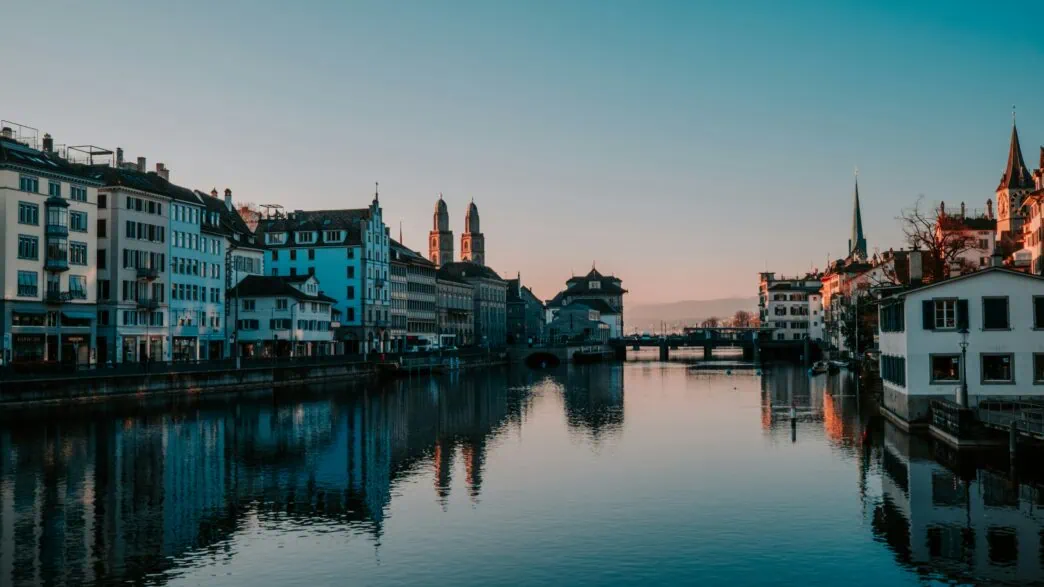
Zurich defies easy categorization. Switzerland’s largest city isn’t the capital—that’s Bern—yet it commands Switzerland’s economic, financial, and increasingly cultural power. Unlike Alpine villages frozen in chocolate-box perfection, Zurich pulses with contemporary energy while maintaining Swiss precision and efficiency that borders on the supernatural. This is where medieval guild houses stand alongside Google’s European engineering hub, where $100 billion flows through Paradeplatz banks daily, and where you can swim in glacier-fed rivers during lunch breaks.
This comprehensive guide cuts through generic tourism advice to deliver what actually matters: where global business travelers stay during banking conferences, which neighborhoods locals actually recommend, how Zurich’s crypto-friendly infrastructure works in practice, and why this city serves as the perfect base for accessing the Swiss Alps. Whether you’re negotiating at UBS headquarters, attending conferences at Messe Zurich, or using the city as a luxury gateway to St. Moritz, this guide provides the practical intelligence you need. For official city information and current events, visit Zurich Tourism or explore MySwitzerland’s Zurich destination guide.
Zurich at a Glance
- Population: 436,551 (city) / 1.45 million (metro area)
- Language: Swiss German (Züritüütsch dialect) / English universally spoken in business
- Currency: Swiss Franc (CHF) / Cryptocurrency increasingly accepted
- Airport: Zurich Airport (ZRH) – 15 minutes to city center
- Time Zone: CET (UTC+1) / CEST (UTC+2 in summer)
- Best Time: Year-round destination / Peak: Jun-Sep, Dec-Jan
- Global Ranking: #1 quality of life (multiple surveys)
- Elevation: 408 meters above sea level
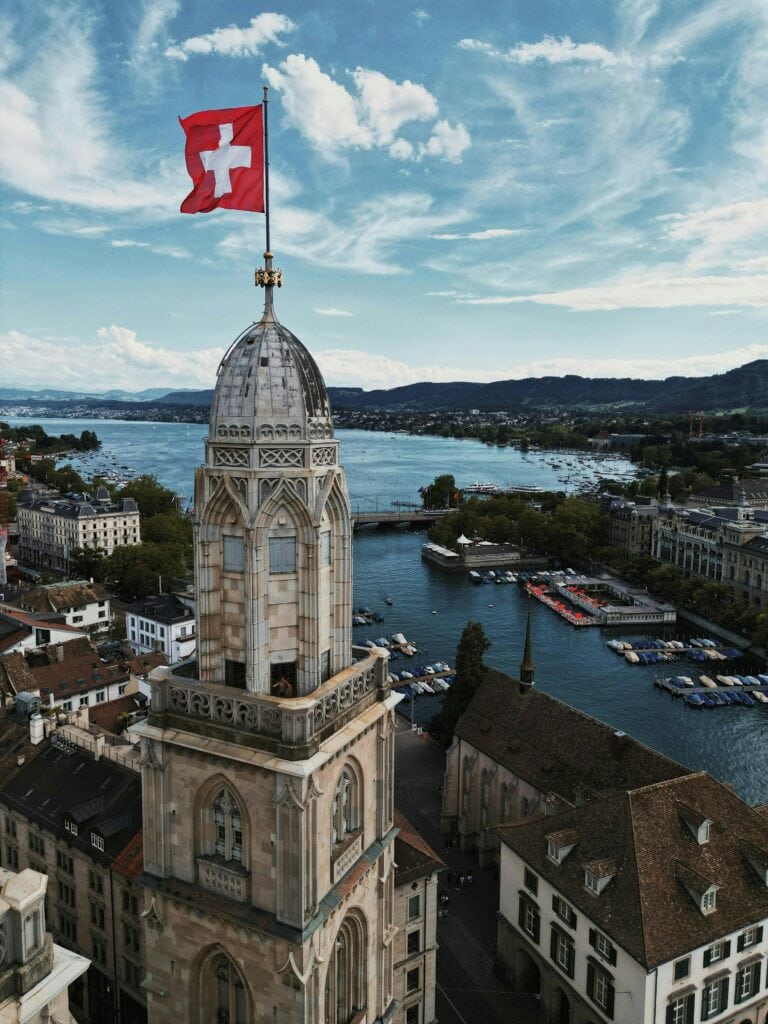
Table of Contents
- Why Visit Zurich Switzerland?
- When to Visit: Best Time & Seasons
- Where to Stay: Neighborhoods & Hotels
- How to Get to Zurich
- Getting Around Zurich
- Top Things to Do in Zurich
- Best Restaurants in Zurich
- Nightlife & Entertainment
- Shopping in Zurich
- Business Travel in Zurich
- Day Trips from Zurich
- Winter Activities & Ski Access
- Practical Information
- Cryptocurrency & Web3 in Zurich
- Zurich for Different Travelers
- Frequently Asked Questions
Why Visit Zurich Switzerland?
Zurich occupies a unique position in the European urban hierarchy. It’s not London’s frenetic scale, Paris’s romantic grandeur, or Berlin’s countercultural edge. Instead, Zurich offers something increasingly rare: a major global city that actually functions perfectly. Public transport runs with atomic clock precision. The Limmat and Sihl rivers run so clean that locals swim in them daily. Crime rates hover near statistical insignificance. This efficiency doesn’t create sterility—it creates freedom to focus on what matters.
Financial & Business Capital
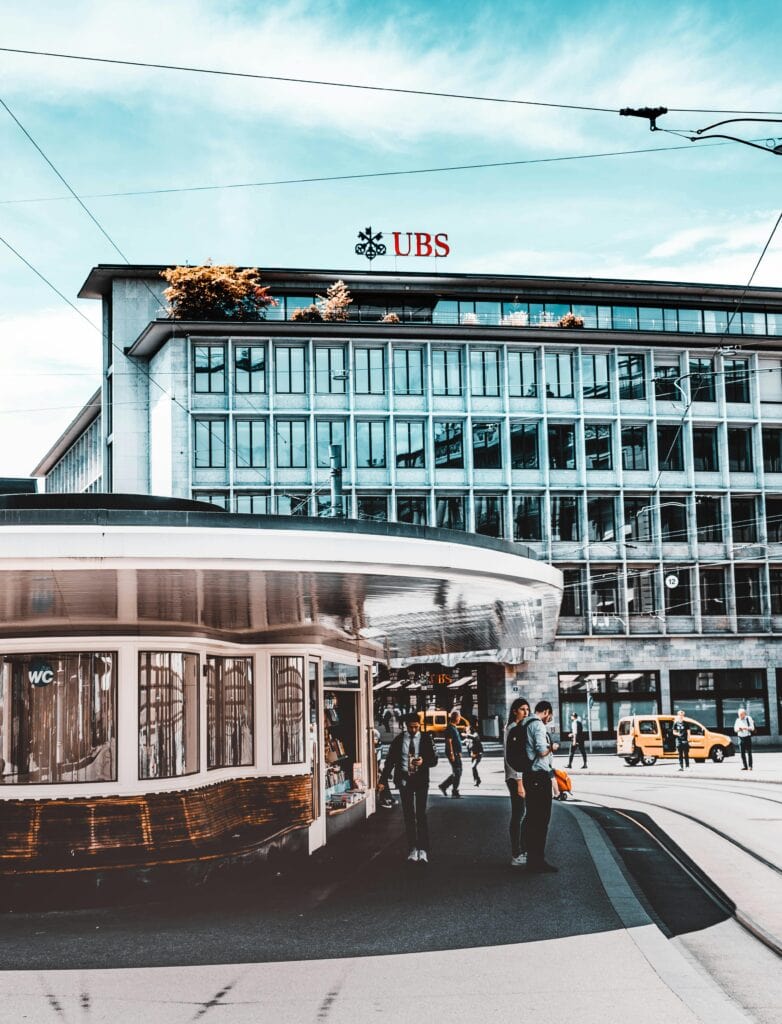
Zurich’s Paradeplatz represents the epicenter of Swiss banking, where UBS and Credit Suisse anchor a financial services sector managing over $2 trillion in assets. The city hosts Switzerland’s stock exchange, hundreds of international banks, and serves as the European headquarters for major corporations from Google to BMW. This concentration of capital and business activity creates an environment where executives from São Paulo to Singapore conduct deals in the same Bahnhofstrasse offices their predecessors used decades ago.
Innovation & Technology Hub
Behind Zurich’s conservative banking facade operates one of Europe’s most dynamic tech ecosystems. Google’s Zurich office—the company’s largest engineering center outside the United States—employs over 5,000 engineers developing YouTube, Google Maps, and cloud infrastructure. ETH Zurich, consistently ranked among the world’s top universities, produces research that spawned companies worth billions. The proximity to Zug’s “Crypto Valley” positioned Zurich at the forefront of blockchain adoption, with the city now accepting Bitcoin for certain municipal services and hosting major crypto companies.
Quality of Life Excellence
Multiple surveys consistently rank Zurich #1 globally for quality of life, and spending time here reveals why. The city maintains over 50 public bathing areas along rivers and the lake—free, clean, and packed on summer afternoons with bankers and baristas alike. More than 1,200 public fountains provide free drinking water from the Alps. Forests begin where the city ends, with hiking trails accessible via 30-minute tram rides. This integration of nature, culture, and urban efficiency creates a living standard that wealth alone cannot buy elsewhere.
Cultural Sophistication
Zurich’s cultural scene punches well above the city’s 440,000 population. The Kunsthaus Zurich houses one of Europe’s finest art collections, including major works by Swiss artists like Giacometti and significant Impressionist pieces. The Tonhalle orchestra performs to international acclaim. Museums range from the massive Swiss National Museum to specialized collections on photography, design, and surprisingly, FIFA football history. The city’s Dadaist roots—Cabaret Voltaire launched the movement here in 1916—still influence contemporary arts, visible in Zurich West’s galleries and installations.
Gateway to the Swiss Alps
Zurich’s strategic position makes it Switzerland’s ideal base for Alpine access. St. Moritz lies 2.5 hours by train or 35 minutes by helicopter. Zermatt requires 3.5 hours. Flumserberg and Andermatt ski resorts sit 90 minutes away, enabling morning meetings in Paradeplatz followed by afternoon skiing. This proximity transforms Zurich from urban destination into sophisticated Alps gateway, particularly valuable for business travelers adding Alpine experiences to work trips.
When to Visit Zurich: Best Time & Seasons
Zurich functions year-round without distinct off-seasons, though each period offers different experiences and pricing. Unlike beach destinations that close for winter or ski resorts that shutter in summer, Zurich maintains consistent services, restaurants, and cultural programming throughout the calendar. This reliability comes with Swiss price stability—costs remain high regardless of season, though subtle variations exist.
Spring in Zurich (March – May)
Spring brings Zurich’s most volatile weather but also its most rewarding cultural events. The Sechseläuten festival, held the third Monday of April, sees guilds parade through the city before burning the “Böögg” snowman—explosion time supposedly predicts summer weather. Parks bloom spectacularly, particularly along the lake where magnolias create Instagram-worthy backdrops. Business travel picks up after winter conferences, with hotel availability tightening around Easter. Average temperatures climb from 8°C in March to 17°C by May, requiring layers for unpredictable afternoon showers.
Best for: Avoiding peak tourist crowds, witnessing local festivals, business travel, mild hiking weather
Pack: Light rain jacket, layers, comfortable walking shoes
Hotel pricing: Moderate (20% below summer peaks)
Summer in Zurich (June – August)
Summer transforms Zurich into Switzerland’s urban beach destination. The Limmat and lake badi (public bathing areas) pack with locals during lunch breaks and after work. Temperatures average 24°C but can spike to 30°C, making swimming essential rather than optional. Long daylight hours—sunset after 9pm in June—enable evening lake cruises and outdoor dining along Niederdorf’s cobblestone lanes. Street Parade in August draws over one million electronic music fans for Europe’s largest outdoor rave. Tourist numbers peak, particularly July-August when Europeans vacation, creating restaurant waits and requiring advance bookings.
Best for: Badi culture, lake activities, outdoor events, long daylight, warm weather
Pack: Swimsuit, sunscreen, light clothing, sunglasses
Hotel pricing: Highest (premium 30-40% above spring/fall)
Fall in Zurich (September – November)
Autumn delivers Zurich’s best weather-to-crowd ratio. September maintains summer warmth with fewer tourists. The Zurich Film Festival brings international cinema and celebrities. October’s wine harvest around Lake Zurich offers tastings in surrounding villages accessible via quick train rides. Fog (Nebel) can blanket the city for days in November, creating atmospheric Old Town walks but occasional gloom. Business conferences resume full force, making this peak season for corporate travel. Temperatures drop from 19°C in September to 7°C by November.
Best for: Film festival, wine harvest, business events, pleasant weather, fewer crowds
Pack: Medium jacket, scarf, umbrella for late fall rain
Hotel pricing: Moderate-high (festivals create spikes)
Winter in Zurich (December – February)
Winter reveals Zurich’s proximity to Alpine culture without the ski resort infrastructure. Christmas markets transform Hauptbahnhof and Niederdorf into glühwein-scented wonderlands from late November through December 23rd. Ice skating at Dolder Sports opens with mountain views. Proximity to Davos makes attending the World Economic Forum viable for those with access. Ski resorts like Flumserberg and Andermatt enable day trips or weekend getaways. January-February bring occasional snow to the city itself—beautiful but requiring proper boots. Temperatures hover 2-5°C, rarely dipping below -5°C.
Best for: Christmas markets, ski resort access, winter sports, fewer tourists, business conferences
Pack: Warm coat, scarf, gloves, waterproof boots, layers
Hotel pricing: High around Christmas/New Year, moderate January-February
Where to Stay in Zurich: Best Neighborhoods & Hotels
Zurich’s compact 88-square-kilometer size means most neighborhoods sit within 20 minutes of central attractions via public transport. However, neighborhood choice significantly impacts experience and budget. The Old Town offers medieval charm at premium prices. Zürich West provides hipster credibility with more moderate costs. The banking district delivers corporate efficiency. Understanding these distinctions prevents mismatched expectations.
Altstadt (Old Town) – Medieval Charm Meets Prime Location
The Altstadt splits into two distinct sections: the left bank (around Bahnhofstrasse and Paradeplatz) skews corporate and expensive, while the right bank (Niederdorf area) offers more bohemian character with bars and restaurants. Both provide walking access to major sights, the lake, and premium shopping. Cobblestone streets preclude wheeled luggage in some areas—important for business travelers. Staying here positions you in Zurich’s most photographed district.
Baur au Lac ($$$$$) – Zurich’s address for old money since 1844, occupying parkland between Bahnhofstrasse and the lake. The hotel maintains permanent suites for regular guests, provides discrete service that attracted everyone from Wagner to the Aga Khan, and operates Michelin-starred dining. Rooms start CHF 800 and escalate quickly for suites with private terraces overlooking the park. The wine cellar holds 120,000 bottles. This represents Swiss luxury at its most understated and most expensive.
Storchen Zürich ($$$$) – Directly on the Limmat River with rooms overlooking Grossmünster, Storchen combines 650 years of history with contemporary renovations completed in 2022. The riverside terrace serves breakfast with swans floating past. Position at the base of Weinplatz puts you in the Old Town’s heart. Rooms average CHF 600-900, premium for the location and river views.
Best for: First-time visitors, tourists prioritizing sightseeing, luxury travelers
Drawbacks: Most expensive neighborhood, touristy in Niederdorf, weekend noise
Transport: 15-20 minute walk to Hauptbahnhof, multiple tram lines
Seefeld – Lakeside Residential Luxury
Seefeld hugs Lake Zurich’s eastern shore, favored by locals for its quieter, more residential character. The neighborhood lacks medieval architecture but compensates with lakeside parks, swimming areas, and the iconic Dolder Grand hotel perched on the hill above. This area suits travelers seeking authentic neighborhood life over tourist infrastructure.
The Dolder Grand ($$$$$) – Zurich’s castle-in-the-city occupies a hilltop position overlooking the entire metropolitan area and Alps beyond. The property combines a 1899 turreted original building with a modern Norman Foster extension. Two Michelin-starred restaurants, massive spa with indoor-outdoor pools, and service justifying CHF 900-2,000 room rates. The funicular railway from Römerhof connects to city center in 15 minutes.
Best for: Luxury travelers, spa enthusiasts, runners using lakeside paths
Drawbacks: Distance from Old Town, limited nightlife, higher transport reliance
Transport: 10-15 minutes to city center via tram
Near Paradeplatz – Banking District Efficiency
The banking district offers Zurich in its purest form: efficient, expensive, corporate. Paradeplatz square marks the intersection of Switzerland’s two largest banks and sits mid-way along Bahnhofstrasse. Hotels here cater primarily to business travelers conducting financial sector meetings. Streets empty on weekends. This suits specific traveler profiles perfectly while alienating others completely.
Savoy Baur en Ville ($$$$) – Directly on Paradeplatz, this classic property serves the banking crowd with business-focused amenities, executive lounges, and meeting rooms. Rooms run CHF 500-800, often expensed rather than personally paid.
For travelers needing proximity to Paradeplatz for business purposes, this location proves unbeatable. The area connects perfectly to Zurich Airport, Hauptbahnhof, and Bahnhofstrasse. Luxury shoppers should explore our detailed Bahnhofstrasse Zurich shopping guide covering Switzerland’s premier luxury retail street. Executive travelers often utilize premium chauffeur services in Zurich for discrete transport between hotels, meetings, and airport transfers.
Best for: Business travelers, banking conferences, shopping access
Drawbacks: Limited character, quiet evenings/weekends
Transport: Central location, 5-minute walk to Hauptbahnhof
Zürich West – Hip Industrial Conversion
Former industrial buildings transformed into Google offices, galleries, restaurants, and hotels define this neighborhood. Zürich West represents contemporary Swiss creativity—graffiti art on one building, Michelin-starred restaurants in the next. The area attracts younger crowds and creative industries.
25hours Hotel Zürich West ($$$) – Design-forward property with irreverent Swiss approach. Rooms average CHF 250-400, significantly below Old Town equivalents while maintaining quality. Zurich’s coolest hotel for those who care about such designations.
Best for: Design enthusiasts, younger travelers, moderate budgets
Drawbacks: 15-20 minutes to Old Town, limited historic character
Transport: Tram connections, 10 minutes to Hauptbahnhof
How to Get to Zurich
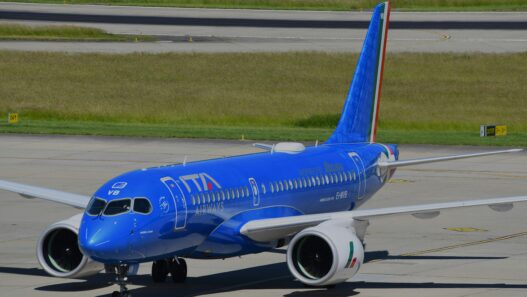
Zurich’s position at the center of Europe’s transportation networks makes it accessible from virtually anywhere. The city serves as Switzerland’s primary international gateway and a major European rail hub. Whether arriving via commercial aviation, private aircraft, train, or car, Zurich’s infrastructure handles arrivals with Swiss efficiency.
Zurich Airport (ZRH) – Primary Gateway
Zurich Airport ranks as Switzerland’s largest and busiest, handling 31 million passengers annually with service from 200+ destinations across six continents. The airport operates as Swiss International Air Lines’ primary hub, with Star Alliance carriers providing comprehensive connectivity. For current flight information, terminal maps, and services, visit the official Zurich Airport website.
Airport-to-city connections run with legendary Swiss precision. Trains depart every 10-12 minutes from the airport’s underground station, reaching Zürich Hauptbahnhof in 10-13 minutes. Tickets cost CHF 6.80 for second class, CHF 13.60 for first class. Check current schedules and purchase tickets at SBB Swiss Railways. The Swiss Travel Pass covers this journey, providing free transport throughout Switzerland.
For business travelers and executives requiring seamless airport transfers, our comprehensive Zurich Airport private jet transfer guide covers FBO facilities, executive ground transport, and discrete arrival procedures. Those arriving via private aviation will find detailed information on helicopter connections and premium transport options.
European Rail Connections
Zurich’s Hauptbahnhof serves as a critical European rail hub, with international trains arriving from France, Germany, Italy, and Austria. High-speed connections include Paris (4 hours via TGV Lyria), Munich (4 hours via EuroCity), Milan (3.5 hours via EuroCity), and Vienna (8 hours via nightjet).
Switzerland’s domestic rail network, operated by SBB, sets global standards for punctuality and frequency. Trains to Lucerne depart every 30 minutes (50 minutes journey), Bern every 30 minutes (1 hour), Geneva hourly (3 hours). The Swiss Travel Pass provides unlimited travel on trains, buses, and boats throughout Switzerland.
Driving to Zurich
Zurich sits at the intersection of Switzerland’s A1 and A3 motorways, providing direct connections to Basel, Bern, Lucerne, and the Austrian border. Switzerland requires all vehicles to display a motorway vignette (CHF 40 for calendar year), purchased at border crossings, gas stations, or online.
Parking presents the primary challenge. Central Zurich garages charge CHF 3-5 per hour or CHF 40-60 daily. Hotels rarely include parking—expect additional CHF 30-50 daily charges. The city’s excellent public transport makes cars unnecessary for urban exploration.
Premium & Executive Transport Options
For travelers prioritizing time efficiency, discrete arrivals, or direct Alpine access, Zurich offers sophisticated private transport infrastructure. Helicopter services connect the city to mountain destinations, with dedicated helipads enabling rapid transfers. Zurich to St. Moritz takes approximately 35 minutes by helicopter compared to 2.5 hours by train, while Zurich to Zermatt requires 45 minutes versus 3.5 hours ground transport.
These services particularly suit business travelers combining city meetings with mountain leisure or those with tight scheduling. Our detailed Swiss helicopter charter pricing guide covers routes, costs, and booking procedures. For comprehensive transport comparisons including train, car, and helicopter options, see our Zurich to St. Moritz transport comparison.
Executive chauffeur services provide another layer of premium transport, particularly valuable for multi-stop itineraries, airport-to-meeting coordination, or situations where luggage volume exceeds public transport capacity. Full details on premium ground transport options, including pricing and cryptocurrency payment acceptance, can be found in our Zurich chauffeur services guide.
Getting Around Zurich: Transport Within the City
Zurich’s Verkehrsverbund Zürich (ZVV) public transport system operates with precision that makes car ownership impractical and unnecessary. Trams, buses, S-Bahn trains, and boats integrate into one ticketing system covering the entire canton. Transport runs 5am-midnight daily, with night buses/trams operating Friday and Saturday nights. For route planning and schedules, use the official ZVV website.
ZVV Public Transport System
The zone-based ticketing system covers all transport modes. Central Zurich falls within Zone 110, with tickets costing CHF 4.40 for single trips up to an hour, CHF 8.80 for day passes. The ZVV app enables mobile ticket purchase. Switzerland operates on a trust-based system with random inspections—failure to carry valid tickets results in CHF 100 fines.
Trams form Zurich’s transport backbone, with 15 lines crisscrossing the city at 5-7 minute intervals during peak hours. Buses fill gaps between tram routes. The S-Bahn suburban rail network extends to surrounding towns, with trains departing Hauptbahnhof every few minutes.
Zürich Card for Visitors
The Zürich Card bundles unlimited public transport with museum discounts and restaurant deals. The 24-hour card costs CHF 27, 72-hour CHF 53. Benefits include free admission to 40+ museums, discounts at restaurants and shops, and a welcome drink at selected bars. Purchase at the airport, Hauptbahnhof, or tourist information offices.
Cycling in Zurich
Züri rollt, the city’s public bike-sharing program, provides free bicycle rentals—yes, actually free. Deposit ID at pickup points, receive a bike for up to 24 hours, return without charge. The catch: limited availability during peak times. For better bikes, rental shops charge CHF 30-40 daily for city bikes, CHF 50-70 for e-bikes.
Taxis & Private Chauffeur Services
Taxis operate with metered fares starting at CHF 6 plus CHF 3.80 per kilometer—a short 3km ride easily reaches CHF 20-25. Uber operates but faces regulatory requirements keeping prices comparable to traditional taxis.
For business travelers with packed schedules or preference for discrete transport, private chauffeur services provide Mercedes S-Class vehicles with professional drivers and flexible booking. Some providers now integrate cryptocurrency payment options. Full details available in our Zurich chauffeur service guide.
Top Things to Do in Zurich
Zurich’s attractions range from medieval churches to contemporary art museums, lakeside swimming to mountain hiking. The compact city center enables walking between major sights, though quality public transport eliminates distance concerns. This list prioritizes experiences delivering genuine Zurich character over tourist-trap attractions.
Explore Zürich Old Town (Altstadt)
The Altstadt splits across both banks of the Limmat River, creating two distinct characters worth exploring. The left bank around Bahnhofstrasse delivers luxury shopping and banking grandeur. The right bank’s Niederdorf neighborhood provides medieval lanes, artisan shops, and hidden courtyards. Start at Lindenhof, the hilltop Roman fortress site offering city views, then wander without maps—getting pleasantly lost reveals the Old Town’s charm.
Guild houses line narrow streets, each with elaborate painted facades telling stories through imagery. The Rathaus (Town Hall) floats on stilts over the Limmat, its late Renaissance architecture marking Zurich’s political center for centuries. Weinplatz serves as the heart of right-bank life, with the Storchen hotel and wine bars creating perpetual activity.
Time needed: 2-4 hours
Cost: Free
Best time: Morning (fewer tourists) or evening (golden hour)
Visit Grossmünster Church
The twin towers of Grossmünster define Zurich’s skyline and symbolize the city’s Protestant Reformation heritage. Huldrych Zwingli preached here from 1519, launching Switzerland’s split from Catholicism. The Romanesque church’s austere interior reflects Protestant simplicity, though Sigmar Polke’s modern stained glass windows add contemporary art.
Climb the 187 steps up Karlsturm (the south tower) for panoramic views across red-tiled roofs to Lake Zurich and the Alps beyond. The cramped spiral staircase and low ceilings test claustrophobia, but the CHF 5 admission delivers the city’s best viewpoint. The crypt contains Charlemagne relics and medieval capitals showing surprising humor.
Time needed: 1 hour (2 hours with tower climb)
Cost: Church free, tower CHF 5
Hours: Daily 10am-6pm (5pm winter)
See Chagall Windows at Fraumünster
Directly across the Limmat from Grossmünster, Fraumünster contains one of Zurich’s greatest treasures: Marc Chagall’s stunning stained glass windows in the choir. Five windows glow with Chagall’s distinctive blues, created in 1970 when the artist was 83. Each window represents biblical themes—prophets, Jacob, Christ, Zion, and law—in colors that transform the church interior into a light-filled sanctuary.
Giacometti also contributed windows to the transept, creating an unusual concentration of major 20th-century art in a 13th-century Gothic church. The former Benedictine abbey where women once held significant power adds feminist history to artistic significance. Photography prohibited inside to protect the windows.
Time needed: 30-45 minutes
Cost: CHF 5
Hours: Daily 10am-6pm (5pm winter)
Stroll Bahnhofstrasse
Switzerland’s most famous shopping street stretches 1.4 kilometers from Hauptbahnhof to Lake Zurich, generating more retail sales per square meter than almost anywhere globally. Luxury brands (Chanel, Gucci, Louis Vuitton, Prada) occupy historic buildings alongside Swiss watchmakers (Rolex, Patek Philippe, Omega) and chocolate houses (Sprüngli, Teuscher).
Paradeplatz marks the midpoint where UBS and Credit Suisse face each other across tram tracks. Sprüngli’s flagship café provides the traditional stop for coffee and Luxemburgerli macarons—tiny meringue sandwiches that Zurich exports globally. Window shopping costs nothing, though temptation proves expensive. Tax-free shopping for tourists provides 8% VAT refunds on purchases exceeding CHF 300.
For comprehensive coverage including specific boutiques, watch dealers, and insider tips, read our detailed Bahnhofstrasse Zurich shopping guide.
Time needed: 2-3 hours (browsing pace)
Cost: Free to CHF unlimited
Best time: Weekday mornings (less crowded)
Cruise Lake Zurich
Lake Zurich stretches 40 kilometers southeast from the city, its blue waters backed by snow-capped Alps creating Switzerland’s iconic scenery. Multiple boat operators run cruises ranging from 90-minute loops to full-day excursions to lakeside villages. The most popular route connects Zurich to Rapperswil, a medieval town with castle and rose gardens requiring 2 hours each way.
Shorter cruises departing hourly from Bürkliplatz provide city views from the water, passing lakeside villas and swimming areas. Dinner cruises operate summer evenings, combining Swiss cuisine with sunset views. The Swiss Travel Pass covers all lake boats, making cruises essentially free for pass holders.
Time needed: 1.5-4 hours depending on route
Cost: CHF 8-30 (free with Swiss Travel Pass)
Season: April-October (limited winter service)
Hike Uetliberg Mountain
Zurich’s local mountain rises 871 meters above the city, providing 360-degree panoramas across the urban area, lake, and Alps beyond. The summit feels miles from civilization despite sitting just 30 minutes from Hauptbahnhof via S10 train to Uetliberg station. A 10-minute walk from the station reaches the observation tower adding another 72 meters elevation.
Multiple hiking trails descend through forests toward the city, ranging from easy 90-minute walks to challenging 3-hour routes. The Planetenweg (Planet Trail) traces the solar system to scale, each planet marked along the trail. Restaurant Uto Kulm at the summit serves traditional Swiss food with views. Winter brings occasional snow requiring proper boots.
Time needed: Half day (2-4 hours total)
Cost: Train ticket CHF 8.80 round-trip
Best time: Clear days (check weather forecast)
Explore Swiss National Museum
The Schweizerisches Landesmuseum occupies a castle-like building near Hauptbahnhof, housing Switzerland’s largest historical collection. Exhibitions trace Swiss civilization from prehistory through Roman occupation, medieval guilds, Reformation, industrialization, and contemporary challenges. The building itself—constructed 1898 in medieval revival style—creates atmosphere before entering exhibits.
Highlights include medieval religious art, weapons collections showing Switzerland’s martial history, and reconstructed historical rooms from various periods. The archaeology section displays Celtic artifacts and Roman treasures. Temporary exhibitions address contemporary Swiss issues, from immigration to environmental challenges. Unlike many national museums, this one maintains accessible scale—comprehensive without overwhelming.
Time needed: 2-3 hours
Cost: CHF 10 (free Friday 5-7pm)
Hours: Tue-Sun 10am-5pm (Thu until 7pm)
Visit Kunsthaus Zürich
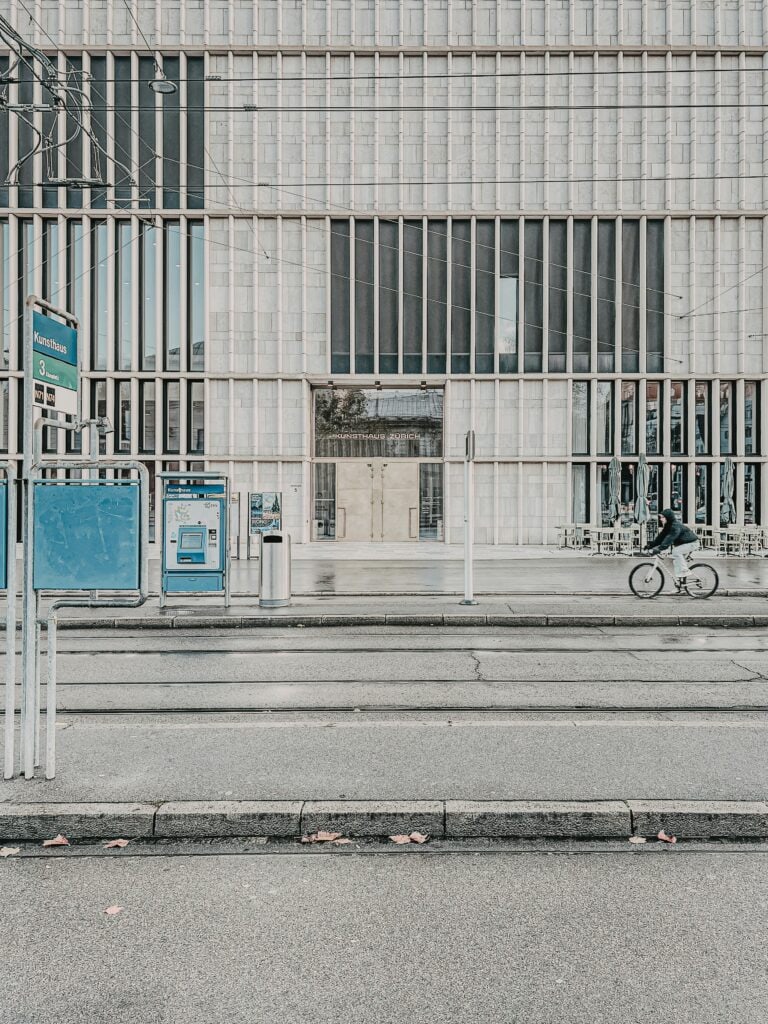
The Kunsthaus Zurich ranks among Europe’s most important art museums despite Zurich’s relatively small size. The 2021 David Chipperfield extension added 5,000 square meters of gallery space to the original 1910 building, creating a museum spanning medieval art to contemporary installations. Swiss artists dominate—Hodler, Giacometti, Füssli—alongside major international works by Monet, Picasso, Chagall, and Munch.
The Giacometti collection stands out, with over 70 works by the Swiss sculptor creating the world’s largest museum Giacometti holdings. Dadaist works acknowledge Zurich’s role birthing the movement. Impressionist galleries house Monet’s water lilies and works by Renoir and Degas. Contemporary pieces include Francis Bacon, David Hockney, and Andy Warhol. Wednesday admission is free.
Time needed: 2-4 hours
Cost: CHF 26 (free Wednesday)
Hours: Tue-Sun 10am-6pm (Wed/Thu until 8pm)
Experience Zürich West District
Former industrial buildings transformed into galleries, restaurants, and creative spaces define Zürich West’s character. Viadukt shopping arcade occupies railway arches with independent boutiques and cafés. The Freitag Tower constructed from shipping containers showcases the recycled bag company’s products and philosophy. Street art covers buildings, creating outdoor galleries juxtaposed with Michelin-starred restaurants.
Schiffbau theater occupies a former shipbuilding hall, programming avant-garde performances. Im Viadukt market hall serves local produce and artisan foods. Google’s Zurich office employs 5,000 engineers in this neighborhood, adding international tech energy to creative industries. This area represents contemporary Zurich—innovative, slightly edgy, thoroughly Swiss in execution.
Time needed: 2-3 hours
Cost: Free (individual purchases vary)
Best time: Afternoon/evening when venues open
Swim in a Zürich Badi
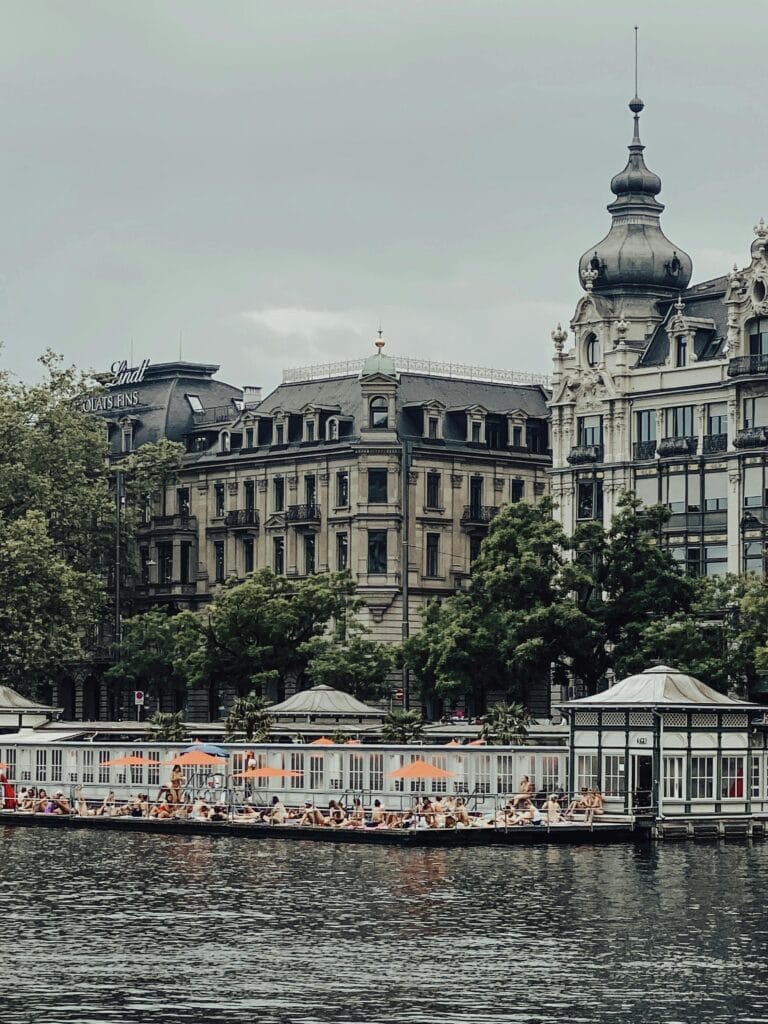
Zurich’s 50+ public bathing areas along rivers and lake create the city’s most democratic luxury—free, clean swimming accessible to everyone. Badi range from gender-segregated facilities to mixed areas, nude sections to family zones. Frauenbadi (women only) occupies a wooden platform on the lake with sauna and bar. Männerbadi (men only, popular with gay men) offers similar facilities. Flussbad Oberer Letten provides river swimming in the Limmat with strong currents creating natural lazy river.
Summer weekdays see bankers swimming during lunch breaks—wet hair in afternoon meetings signals badi culture participation. Entry costs CHF 6-8 for the day. Bring towel and lock for changing room lockers. Swimming in moving rivers requires confidence—currents can surprise inexperienced swimmers. The experience delivers genuine Zurich life rather than tourist performance.
Time needed: 1-3 hours
Cost: CHF 6-8
Season: May-September (outdoor badi)
Best Restaurants in Zurich
Zurich’s dining scene reflects Switzerland’s position at the crossroads of German, French, and Italian influences while adding considerable local innovation. The city claims more Michelin stars per capita than most European cities. Beyond fine dining, traditional guild houses serve classic Swiss cuisine, while immigrant populations contribute everything from Turkish kebabs to Vietnamese pho. Expect prices 30-50% above other European cities—this is Zurich’s most consistent characteristic.
Fine Dining – Michelin-Starred Excellence
Pavillon (2 Michelin stars) – The Baur au Lac hotel’s signature restaurant delivers French haute cuisine under chef Laurent Eperon. The dining room overlooks private park gardens, creating oasis atmosphere despite central location. Tasting menus run CHF 280-420, wine pairings add CHF 180-280. Jacket required for men. Reserve minimum two weeks ahead, longer for weekend dinners. This represents Zurich fine dining at its most formal and expensive.
The Restaurant at The Dolder Grand (2 Michelin stars) – Chef Heiko Nieder’s modern European cuisine combines technical precision with artistic presentation. Floor-to-ceiling windows provide Alps views creating dramatic backdrop. Tasting menus CHF 240-380, wine pairings CHF 140-220. More relaxed atmosphere than Pavillon but maintaining exceptional standards. The location’s hilltop position requires planning transport—taxis or the funicular railway.
Rive Gauche (1 Michelin star) – Zürichberg Hotel’s restaurant balances fine dining quality with more accessible pricing and atmosphere. Chef’s tasting menu runs CHF 180, a la carte mains CHF 60-85. The terrace provides city views in summer. Dress code enforced but not requiring jacket. Good introduction to Michelin-level dining without Pavillon’s formality or prices.
Traditional Swiss Cuisine
Zunfthaus zur Waag – Historic guild house (weavers’ guild) with original 1637 building housing multiple dining rooms decorated with period details. Classic fondue CHF 38-45 per person, Züri Geschnetzeltes (sliced veal in cream sauce with rösti) CHF 48. The atmospheric setting delivers tourist-friendly Swiss tradition without the trap pricing some guild houses charge. Reserve window tables overlooking Münsterhof square.
Zeughauskeller – Former armory converted to massive beer hall serving enormous portions of sausages, schnitzel, and rösti. The cavernous space seats 400 under vaulted ceilings hung with medieval weapons. Mains CHF 28-45, portions designed for serious appetites. Popular with locals and tourists, creating authentic Swiss beer hall atmosphere. No reservations—arrive before 6:30pm or expect waits.
Sternen Grill – Standing-only sausage stand at Bellevue tram stop represents Zurich’s other traditional dining: bratwurst at midnight after drinking. The cervelat (Swiss sausage) in bread with mustard costs CHF 6 and tastes better at 1am than it should. Part of Zurich’s food culture alongside Michelin stars. Open until 4am weekends.
Modern & International Dining
Clouds – Prime Tower’s 35th-floor restaurant provides 360-degree city views with modern international cuisine. The observation deck surrounding the restaurant enables pre-dinner drinks with sunset views. Mains CHF 45-75, tasting menus CHF 120. Popular for special occasions and business dinners where views matter as much as food. Reserve window tables specifically or face interior seating.
Maison Manesse – Chef Stefan Heilemann’s creative modern cuisine earned strong local following despite lacking Michelin stars. Seasonal tasting menus CHF 140-180 showcase Swiss ingredients with international techniques. Natural wine list. Relaxed atmosphere compared to starred restaurants. Located in residential Wiedikon neighborhood requiring tram ride from center. Reserve well ahead—small space, high demand.
Lunch & Casual Excellence
Confiserie Sprüngli – Zurich institution since 1836, famous for Luxemburgerli macarons that inspired Ladurée. The Paradeplatz flagship café provides people-watching location, excellent pastries, light lunch options (salads, quiche CHF 18-25). Take-away service enables picnics at Lake Zurich. Multiple locations across the city. Not budget dining but reasonable by Zurich standards for quality delivered.
Café Schober – Old Town café and chocolate shop with original 1842 interior creating time-capsule atmosphere. Hot chocolate CHF 8-12, pastries CHF 6-9, light meals CHF 15-25. The winding rooms and vintage décor attract tourists but maintain authentic character. Ideal for afternoon break while exploring Altstadt.
Hiltl – World’s oldest vegetarian restaurant (since 1898) now operates modern cafeteria-style buffet alongside sit-down restaurant. Pay-by-weight buffet averages CHF 25-35 for full meal. The variety, quality, and speed make it practical lunch option for travelers tired of heavy Swiss meat dishes. Central location near Bahnhofstrasse.
Nightlife & Entertainment in Zurich
Zurich’s nightlife surprises visitors expecting Switzerland’s financial capital to shut down at 9pm. While not matching Berlin’s 24-hour hedonism or Barcelona’s beach clubs, the city maintains active bars, clubs, and music venues operating until 4am weekends. The scene splits between Old Town traditional bars, Langstrasse’s multicultural diversity, and Zürich West’s hip clubs.
Bars & Nightlife Districts
Langstrasse – This multicultural street west of Hauptbahnhof functions as Zurich’s nightlife spine, with bars, clubs, and restaurants from Turkish to Thai creating international energy. The area historically harbored red-light district character, though gentrification transformed sleaze into edgy-hip. Bars range from dive bars to craft cocktail lounges. Expect diverse crowds, reasonable prices (by Zurich standards), and late-night street food.
Niederdorf – Old Town bars provide traditional Swiss drinking in medieval settings. These range from wine bars serving Swiss vintages to tourist-oriented beer halls. Prices run higher than Langstrasse, atmosphere more polished, crowds more international tourists than local twentysomethings. Good for early-evening drinks before moving to livelier areas.
Zürich West – Former industrial buildings house modern bars and clubs attracting creative professionals and design-conscious crowds. Expect craft cocktails, minimal décor, house music, and door policies at some venues. This area delivers Zurich’s coolest nightlife for those valuing aesthetics.
Notable Venues
Widder Bar – Hotel Widder’s bar ranks among Europe’s finest, with 300+ whisky selection and regular live jazz. The intimate space suits serious drinkers and jazz enthusiasts over party crowds. Cocktails CHF 22-28, whiskies from CHF 15 to astronomical rare bottles. Dress smart casual minimum. Open until 2am.
Kronenhalle Bar – Art-filled bar attached to famous restaurant, with original Chagalls and Mirós on walls creating gallery atmosphere. Classic cocktails in formal setting attract older, wealthier crowds. Cocktails CHF 24-32. James Joyce and Thomas Mann drank here—that vibe persists. Close at midnight weekdays, 2am weekends.
Plaza Club – Mainstream club near Paradeplatz playing house, hip-hop, and commercial dance attracting mixed international crowd. No strict door policy, reasonable drink prices (CHF 12-15 cocktails), stays open until 4am weekends. Good option for guaranteed entry and predictable experience.
Live Music & Theater
Tonhalle Zürich – Concert hall hosting Zurich’s Tonhalle Orchestra and international classical performers. The 1895 building’s acoustics rank among Europe’s finest. Tickets CHF 35-180 depending on performance and seating. Season runs September-June with summer festival programming.
Moods – Premier jazz club booking international acts in intimate Schiffbau venue. Cover charges CHF 25-60 depending on performer. Quality rivals major European jazz cities despite Zurich’s smaller size. Shows typically start 8:30pm with dinner service available.
Shopping in Zurich
Zurich’s retail landscape divides between Bahnhofstrasse luxury brands, Old Town artisan boutiques, Zürich West independent designers, and practical Swiss department stores. Prices remain consistently high across categories—budget shopping doesn’t exist here. Tax-free shopping provides 8% VAT refunds for tourists on purchases exceeding CHF 300, partially offsetting costs.
Bahnhofstrasse – Luxury Shopping Street
Switzerland’s premier shopping address stretches 1.4 kilometers from Hauptbahnhof to Lake Zurich, with luxury brands occupying historic buildings. Chanel, Gucci, Louis Vuitton, Prada, and Hermès maintain flagship stores alongside Swiss watchmakers including Rolex, Patek Philippe, Omega, and Audemars Piguet. Jewelry from Tiffany, Cartier, and Bucherer adds sparkle. Paradeplatz marks the midpoint, with Sprüngli café providing traditional rest stop.
Department stores Jelmoli and Globus offer multi-floor shopping alternatives to boutiques. Swiss chocolate specialists Sprüngli, Teuscher, and Läderach tempt with window displays. The pedestrian-only street enables relaxed window shopping though actual shopping requires serious budgets. Most stores open Monday-Saturday 10am-7pm, Thursday until 9pm.
For comprehensive coverage including specific boutiques, watch dealers, Swiss chocolate specialists, and insider shopping tips, explore our detailed Bahnhofstrasse Zurich shopping guide.
Swiss Watches – Serious Investment
Zurich functions as global watch capital, with every major Swiss manufacturer maintaining boutiques or authorized dealers. Bucherer operates multiple locations including flagship on Bahnhofstrasse. Watch shopping requires patience—serious collectors spend hours examining models, comparing complications, negotiating prices (rarely successful but worth trying). Prices range from CHF 5,000 entry-level Swiss mechanicals to CHF 500,000+ for complications from Patek Philippe or Audemars Piguet.
Tax-free shopping saves 8% on purchases exceeding CHF 300—on a CHF 20,000 watch, that represents CHF 1,600 savings making Switzerland competitive with other European watch shopping destinations. Authorized dealers provide full warranty and authenticity guarantees gray market lacks. For collectors, combining Zurich watch shopping with Alpine travel creates ideal Swiss experience.
Swiss Chocolate – Edible Souvenirs
Zurich’s chocolate shops range from century-old confectioners to modern chocolatiers. Sprüngli (since 1836) specializes in Luxemburgerli macarons and truffles, with flagship on Paradeplatz and multiple locations. Teuscher creates champagne truffles in small batches without preservatives—expensive (CHF 150/kg) but exceptional quality. Läderach offers more accessible pricing with innovative flavors and visible production.
Lindt operates chocolate shops throughout the city, though the Kilchberg factory (15 minutes from center) provides more extensive selection and factory outlet pricing. Swiss chocolate makes practical gifts—shelf-stable, universally appreciated, distinctly Swiss. Budget CHF 25-40 per kilogram at quality shops.
Markets & Local Shopping
Bürkliplatz hosts Saturday flea market year-round, with vendors selling antiques, vintage clothing, and random curiosities. Quality varies wildly—arrive early (7am) for best selection. Farmers markets operate multiple locations Tuesday and Friday mornings, selling local produce, cheese, bread, and flowers. These provide more authentic shopping than tourist-oriented boutiques.
Business Travel in Zurich
Zurich functions as Switzerland’s business capital and a major European financial center. The city’s banking sector manages over $2 trillion in assets, with UBS and Credit Suisse headquartered here alongside hundreds of international banks. Major corporations including Google, BMW, and numerous pharmaceutical companies maintain European operations in Zurich. This concentration of business activity creates sophisticated infrastructure serving corporate travelers.
Why Zurich for Business
Switzerland’s political stability, banking expertise, and central European location positioned Zurich as a natural business hub. The city offers direct flights to 200+ destinations, train connections throughout Europe, and infrastructure operating with Swiss precision. English serves as business language—meetings, presentations, and negotiations occur in English without translation. The legal system provides contract certainty and intellectual property protection. Combined with Switzerland’s favorable tax environment and quality of life, these factors attract international companies establishing European headquarters.
Business Districts & Meeting Locations
Paradeplatz Area – The banking district centers on Paradeplatz square, where UBS and Credit Suisse occupy historic buildings. Bahnhofstrasse provides luxury hotel options and executive dining. This area suits financial services meetings and traditional business culture. The 5-minute walk to Hauptbahnhof enables quick airport connections.
Business travelers based in Paradeplatz hotels benefit from central positioning between Bahnhofstrasse shopping and Old Town culture. Executive transport services frequently coordinate airport pickups and inter-city transfers for banking district hotels. For details on premium ground transport including chauffeur services accepting cryptocurrency payment, see our Zurich executive chauffeur guide.
Zürich West – Tech companies including Google, Facebook, and startups concentrate in former industrial buildings. The area delivers modern office space, contemporary meeting venues, and creative energy contrasting with Paradeplatz formality. Suited for technology, media, and creative industries meetings.
Oerlikon – Messe Zürich convention center and surrounding business hotels serve conference and exhibition traffic. The location 10 minutes from the airport suits short business trips requiring meeting facilities without city center access.
Business Facilities & Services
Major hotels maintain business centers with meeting rooms, secretarial services, and executive lounges. CoWorking spaces including WeWork, Spaces, and local providers offer hourly and daily workspace rentals. The Swiss Business Hub provides temporary office solutions for companies establishing Swiss presence. Conference facilities range from small meeting rooms to Messe Zürich’s massive exhibition halls.
Executive Transport & Airport Coordination
Business travelers often require transport solutions beyond public transit, particularly when managing tight schedules, multiple meeting locations, or luggage-intensive trips. Private chauffeur services provide Mercedes S-Class or similar executive vehicles with professional multilingual drivers, flexible hourly booking, and coordination capabilities for complex itineraries.
Airport-to-meeting coordination represents common use case—drivers monitor flight arrivals, adjust for delays, and enable productive travel time. Some operators now accept cryptocurrency payment alongside traditional methods, reflecting Zurich’s progressive business environment and proximity to Crypto Valley.
For business travelers combining Zurich meetings with Alpine destinations, helicopter transfers enable rapid deployment to ski resorts or mountain hotels. Our comprehensive Swiss helicopter charter guide covers routes, pricing, and booking for business aviation extending to mountain destinations.
Business Dining & Entertainment
Power lunch locations include Paradeplatz Brasserie (traditional banking crowd), Clouds (modern with views), and guild houses (Swiss tradition). Expense account dinners typically occur at Michelin-starred restaurants or luxury hotel dining rooms. Business entertainment extends to tickets for Tonhalle concerts, opera, or football matches at nearby stadiums.
Day Trips from Zurich
Zurich’s central Swiss location enables day trips ranging from medieval towns to Alpine peaks. The country’s compact size and efficient rail network make morning departures and evening returns practical for most destinations. These excursions provide Swiss variety beyond urban Zurich, from UNESCO World Heritage sites to glacier skiing.
Lucerne – Medieval Beauty (50 minutes)
Lucerne delivers the Swiss medieval town experience with Chapel Bridge (1333), painted buildings, Lake Lucerne backdrop, and Mount Pilatus access. Direct trains depart Zurich Hauptbahnhof every 30 minutes, reaching Lucerne in 50 minutes. The compact old town enables walking between attractions including Chapel Bridge, Lion Monument, and lakeside promenade. Boat cruises on Lake Lucerne provide mountain scenery, while cogwheel trains ascend Pilatus or Rigi mountains for Alpine panoramas.
Lucerne suits first-time Switzerland visitors seeking concentrated Swiss experience—medieval architecture, lake, mountains, and Swiss culture in walkable area. Budget full day including train, attractions, and meals. Return trains run until midnight enabling dinner in Lucerne before Zurich return.
Rhine Falls – Europe’s Largest Waterfall (45 minutes)
The Rhine Falls near Schaffhausen create Switzerland’s most powerful natural spectacle. Water cascades 23 meters over 150-meter-wide falls, generating impressive volume and mist. Viewing platforms enable close approaches—prepare for spray. Boat rides navigate to rock outcropping in the falls center, providing dramatic perspective and thorough soaking.
Direct trains reach Schloss Laufen am Rheinfall station in 45 minutes, putting falls viewing platforms immediate. The excursion suits families, nature lovers, and those wanting Swiss scenery without mountain hiking. Half-day sufficient including travel, viewing, and lunch at falls-adjacent restaurants. Combine with Schaffhausen medieval town if extending to full day.
St. Moritz – Alpine Luxury (2.5 hours)
St. Moritz represents Alpine luxury at peak expression. The Engadin Valley resort delivers 350 kilometers of slopes, Badrutt’s Palace glamour, and social scene rivaling Monaco. The scenic train journey via Chur and mountain passes takes 2.5 hours, while helicopter transfers reduce travel to 35 minutes for those prioritizing efficiency over scenery.
Winter visitors find world-class skiing, White Turf horse races on frozen lake, and champagne après-ski. Summer brings hiking, mountain biking, and pleasant altitude temperatures. The resort maintains year-round operations unlike seasonal Alpine destinations. Day trips enable taste of St. Moritz atmosphere, though overnight stays better justify the journey and costs.
For comprehensive St. Moritz coverage including accommodation, slopes, transport comparisons, and helicopter options, see our detailed Zurich to St. Moritz complete guide. Those planning luxury ski holidays should explore helicopter services to St. Moritz for seamless premium transfers.
Appenzell – Traditional Switzerland (1.5 hours)
Appenzell maintains Switzerland’s most traditional character with painted houses, strict folk culture, and cheese-making heritage. The compact village enables walking between attractions including folk museum, chocolate factory, and artisan shops selling embroidered textiles. Hiking trails access surrounding hills, while cable cars reach Ebenalp mountain with cliff-side Wildkirchli chapel.
Appenzell represents Switzerland tourists imagine—conservative, traditional, genuinely Swiss without performance. The region only granted women voting rights in 1991 (forced by federal court), maintaining traditional separation persisting elsewhere. This conservatism creates authentic culture and excellent cheese. Budget full day including train, village exploration, and optional hiking.
Bern – Swiss Capital (1 hour)
Switzerland’s capital occupies UNESCO World Heritage old town with arcaded shopping streets, Zytglogge clock tower, and bear park overlooking Aare River. The compact historic center enables walking between Federal Palace (parliament), Einstein’s apartment (he developed relativity while working Bern patent office), and rose garden viewpoint.
Bern delivers medieval Swiss capital without Zurich’s financial intensity. The atmosphere feels more relaxed, provincial compared to Zurich’s international business culture. Direct trains every 30 minutes reach Bern in 1 hour. Full day enables thorough exploration including museums, Federal Palace tour, and riverside swimming in summer. Return trains run until midnight.
Winter Activities & Ski Access from Zurich
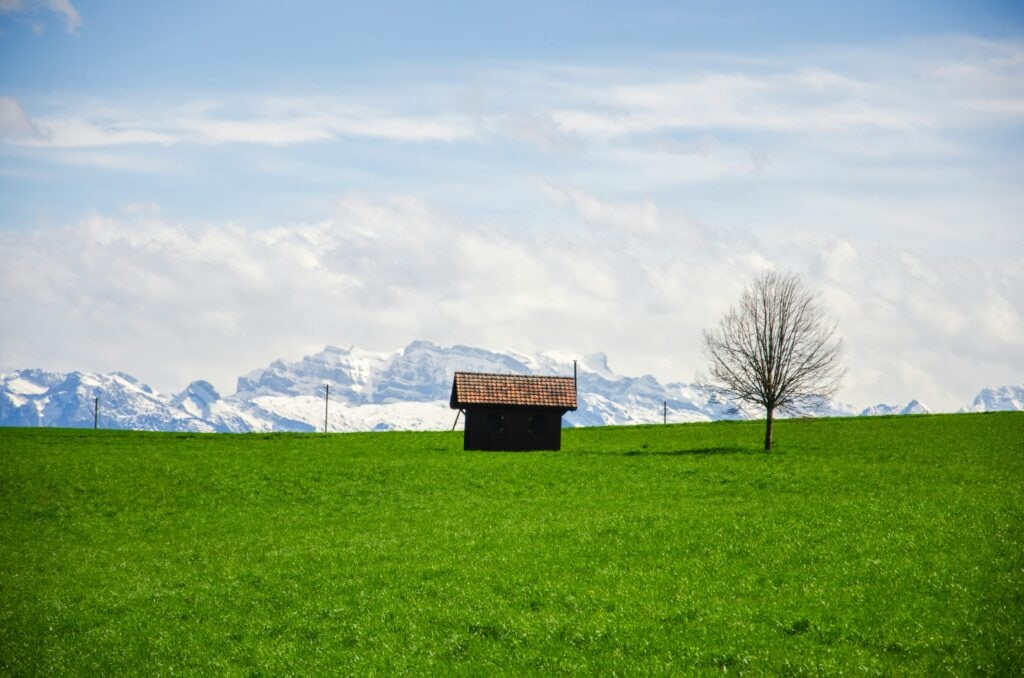
Zurich’s position provides quick access to world-class skiing despite the city sitting at just 408 meters elevation. Multiple ski resorts operate within 90 minutes, enabling day trips or weekend getaways. The city also delivers its own winter character through Christmas markets, ice skating, and proximity to January’s World Economic Forum in Davos.
Nearby Ski Resorts – Quick Access
Flumserberg (90 minutes) – Family-friendly resort with 65 kilometers of slopes suits day trips and learning skiers. Direct train to Flums followed by cable car reaches slopes in 90 minutes total. The resort lacks glamour or challenging terrain but delivers reliable conditions and Swiss efficiency without St. Moritz prices. Day passes CHF 59.
Andermatt (90 minutes) – Modern resort with 120 kilometers of slopes, off-piste terrain, and luxury Chedi Hotel. The Gotthard tunnel route enables year-round access. Advanced skiers appreciate Gemsstock’s steep north-facing runs, while Sedrun connection provides variety. Day trips feasible but overnight stays better justify the journey. Day passes CHF 79.
Hoch-Ybrig (75 minutes) – Local favorite lacking international tourism provides uncrowded Swiss skiing. The 50 kilometers of slopes suit intermediates, with some blacks for variety. Quick access makes it popular for Zurich residents’ weekend skiing. Day passes CHF 58.
Major Ski Destinations – Weekend Getaways
St. Moritz (2.5 hours train / 35 minutes helicopter) – Ultimate luxury skiing combining 350 kilometers of slopes with Badrutt’s Palace glamour, social scene, and White Turf horse racing. The journey via scenic train requires half day each direction, making overnight stays essential for enjoying the resort. Helicopter transfers reduce travel time dramatically for those prioritizing efficiency. Day passes CHF 84.
Zermatt (3.5 hours) – Car-free village beneath Matterhorn delivers 360 kilometers of slopes including year-round glacier skiing. The long journey necessitates minimum overnight stay. Connection to Italy’s Cervinia expands terrain and provides different atmosphere. Day passes CHF 89.
Verbier (3 hours) – Advanced skiers and freeriders target 4 Vallées’ 410 kilometers including legendary off-piste and challenging terrain. The energetic après-ski attracts younger crowds. Weekend trips from Zurich popular among serious skiers willing to invest travel time for terrain quality.
Christmas Markets in Zurich
Zurich’s Christmas markets transform Hauptbahnhof, Niederdorf, and various squares into glühwein-scented wonderlands from late November through December 23rd. The Christkindlimarkt inside Hauptbahnhof features a massive suspended Christmas tree with thousands of Swarovski crystals creating indoor winter spectacle. Over 150 wooden chalets sell handicrafts, ornaments, and seasonal foods.
Smaller markets occupy Niederdorf lanes, Sechseläutenplatz, and Werdmühleplatz providing varied atmosphere from traditional to contemporary. Glühwein (mulled wine) costs CHF 6-8, with returnable mugs adding CHF 5 deposit. Raclette, fondue, and roasted chestnuts provide warming sustenance. Markets close December 23rd—Christmas itself sees the city largely shuttered.
Practical Information for Visiting Zurich
Money & Payments
Switzerland uses the Swiss Franc (CHF), divided into 100 rappen/centimes. As of late 2025, exchange rates hover around 1 CHF = 1.10 USD = 1.00 EUR, though these fluctuate. Credit cards work universally in hotels, restaurants, and shops—Visa and Mastercard widely accepted, American Express less common. Contactless payment via card or phone functions everywhere.
ATMs dispense Swiss Francs throughout the city, though foreign cards incur fees from both home banks and Swiss ATMs—typically CHF 5 per withdrawal plus exchange rate markups. Using credit cards for purchases generally provides better exchange rates than ATM cash withdrawals. Tipping isn’t mandatory—service charges include in all prices—though rounding up to nearest 5 or 10 CHF shows appreciation for exceptional service.
Cryptocurrency acceptance has expanded in Zurich beyond early-adopter businesses. Some luxury hotels, restaurants, and service providers now accept Bitcoin, Ethereum, and stablecoins. The city government accepts Bitcoin for certain municipal services. This progressive approach reflects Switzerland’s embrace of blockchain technology and Zurich’s proximity to Zug’s Crypto Valley.
Language & Communication
Zurich’s official language is German, specifically Swiss German (Züritüütsch) in local dialect. However, virtually everyone in Zurich speaks English—particularly in business, tourism, and service sectors. English functions as the common language when Swiss from different linguistic regions communicate. German, French, and Italian also prove useful given Switzerland’s multilingual character, but English suffices for all tourist and most business interactions.
Swiss German differs substantially from standard German, creating comprehension challenges even for native German speakers. Written communication uses High German, but spoken language employs dialect that Germans from Munich or Berlin struggle to understand. This linguistic situation means English often provides clearer communication than attempting German unless you speak it fluently.
Safety & Security
Zurich ranks among the world’s safest major cities. Violent crime occurs at extremely low rates. Property crime exists but remains minimal compared to other European capitals. Walking alone at night poses little danger even for solo female travelers. The main risks involve opportunistic pickpocketing at Hauptbahnhof or crowded trams—standard urban precautions apply. Police (117) respond quickly to any incidents.
Political demonstrations occasionally occur but remain peaceful and police-managed. Terrorism risk exists at the baseline level affecting all European cities but hasn’t manifested in Switzerland. The country’s neutrality and political stability create secure environment. Emergency services (ambulance 144, fire 118, general emergency 112) function with Swiss efficiency.
Weather & What to Pack
Zurich’s continental climate creates four distinct seasons requiring different preparation. Summer (June-August) averages 24°C with occasional 30°C+ spikes—pack light clothing, sunscreen, swimsuit for badi culture. Rain possible any month, making light jacket and umbrella year-round essentials. Fall and spring require layering—temperatures range 8-20°C with unpredictable shifts. Winter (December-February) hovers 0-5°C, occasionally dropping below -5°C requiring warm coat, scarf, gloves.
Business travelers should pack conservative clothing—Zurich’s business culture favors formality over Silicon Valley casual. Suits or business dress for meetings, smart casual for dinners. Comfortable walking shoes essential given cobblestone Old Town streets and Switzerland’s walking culture. Swiss dress practically—function over fashion—though luxury brands appear in appropriate contexts.
Internet & Connectivity
Free WiFi operates throughout central Zurich—hotels, cafés, public spaces, and even some outdoor areas provide connectivity. The ZüriWiFi network offers limited free access. Most restaurants and cafés share passwords willingly. Switzerland’s mobile networks provide excellent 5G coverage. Tourist SIM cards available at airport and electronics shops—Swisscom, Salt, and Sunrise offer prepaid options ranging CHF 20-50 for tourist data packages.
Emergency Numbers & Health
Switzerland’s healthcare ranks among the world’s finest but costs reflect this quality. Travel insurance covering medical expenses essential for non-EU visitors. Emergency services include police (117), ambulance (144), fire (118), and general emergency (112). University Hospital Zurich provides 24-hour emergency care. Pharmacies (Apotheken) marked with green crosses offer basic medical advice and over-the-counter medications.
Cryptocurrency & Web3 in Zurich
Zurich’s position adjacent to Zug’s “Crypto Valley” created Switzerland’s most crypto-friendly major city. While Zug hosts the Ethereum Foundation, Cardano Foundation, and hundreds of blockchain companies, Zurich provides the banking infrastructure, international connections, and business services these organizations require. The city government accepts Bitcoin for certain municipal payments up to CHF 200. Major retailers increasingly integrate crypto payment options. This progressive approach reflects Switzerland’s broader strategy of becoming Europe’s Web3 hub.
Crypto Payment Acceptance
Cryptocurrency payment acceptance has expanded beyond early-adopter businesses into mainstream Zurich commerce. Luxury hotels, high-end restaurants, and premium service providers increasingly accept Bitcoin, Ethereum, and stablecoins like USDC and USDT. The city’s financial technology sector developed payment processing infrastructure making crypto transactions seamless for merchants and customers alike.
Bitcoin Suisse and other Swiss crypto companies provide merchant services enabling acceptance without direct cryptocurrency custody. Major hotels including some five-star properties accept crypto for room payments. Executive transport services and luxury car rentals increasingly offer cryptocurrency payment options. This adoption reflects both Switzerland’s progressive regulatory environment and Zurich’s concentration of crypto-wealthy individuals from nearby Crypto Valley.
For travelers interested in utilizing cryptocurrency for luxury services including private aviation, executive ground transport, and premium experiences, our complete crypto luxury travel guide covers payment methods, accepted currencies, and practical considerations. The guide explains how Bitcoin, Ethereum, and stablecoins function for high-value transactions in Switzerland’s progressive regulatory environment.
Practical Crypto Tips for Zurich
Business travelers and crypto enthusiasts visiting Zurich should note several practical considerations. Stablecoins (USDC, USDT) offer price stability for transactions, avoiding Bitcoin or Ethereum volatility between booking and payment. Payment processors like BitPay and BTCPay enable merchant acceptance without direct crypto custody, reducing technical barriers and regulatory concerns.
Switzerland’s clear tax treatment of cryptocurrency provides certainty lacking in many jurisdictions. The Swiss Federal Tax Administration publishes annual guidance on crypto taxation, with individuals and businesses understanding obligations. This regulatory clarity positioned Switzerland as Europe’s most crypto-friendly jurisdiction, attracting both companies and individuals to Zurich and Zug.
The proximity to Zug enables easy day trips to visit Ethereum Foundation, Cardano Foundation, and other blockchain organizations headquartered in Crypto Valley. The 30-minute train from Zurich Hauptbahnhof reaches Zug, where crypto companies concentrate and the city government pioneered municipal Bitcoin acceptance. Combined Zurich-Zug visits provide comprehensive Swiss blockchain ecosystem exposure.
Zurich for Different Travelers
Business Travelers
Zurich excels at serving business travelers with efficient transport, world-class hotels near business districts, meeting facilities ranging from small rooms to massive convention halls, and international connectivity via airport and rail. English as business language eliminates translation needs. Swiss precision extends to punctuality—arrive on time for meetings. Conservative business culture favors formal dress over casual approaches. The combination of efficiency, quality, and reliability makes Zurich ideal for European business headquarters and conferences.
Luxury Travelers
Five-star hotels deliver Swiss hospitality excellence, Michelin-starred restaurants provide world-class dining, Bahnhofstrasse offers luxury shopping, and private aviation infrastructure enables discrete arrivals. Zurich’s luxury positioning emphasizes quality and service over ostentatious displays—understated excellence rather than flashy luxury. The city serves as sophisticated base for Alpine access via helicopter or chauffeur to St. Moritz, Zermatt, or other mountain destinations. Expect to pay premium prices for premium experiences—this is Switzerland’s most consistent characteristic.
Families
Zurich’s exceptional safety, clean environment, and family-friendly infrastructure make it suitable for traveling with children despite high costs. Public transport enables stroller access, museums offer kids’ programs, parks and playgrounds appear throughout the city, and Lake Zurich provides summer swimming. The Swiss National Museum, zoo, and Technorama science center provide rainy-day alternatives. Day trips to nearby attractions like Rhine Falls or Lucerne add variety. Budget significantly higher than other European cities—family meals, attractions, and transport all carry Swiss pricing.
Budget Travelers
Zurich challenges budget travelers but doesn’t make affordable travel impossible. Youth hostels provide beds from CHF 40-80. Cooking in hostel kitchens avoids expensive restaurants. The 1,200+ free drinking fountains eliminate bottled water costs. Parks enable free picnics. Museums offer free admission days (many on Wednesdays). Walking requires no budget. The efficient public transport costs less than taxis while delivering better service. Expect to spend minimum CHF 100-150 daily even with budget approach—less than half what luxury travelers spend but still expensive by global standards.
Solo Travelers
Zurich’s safety makes solo travel comfortable even for first-time visitors. The compact city enables walking between attractions without isolation. Hostel common rooms and organized tours provide social opportunities. Language barriers don’t exist given universal English. Solo dining doesn’t create awkwardness—many locals eat alone. The city’s efficiency and safety mean solo travelers can focus on experiences rather than logistics or security concerns.
Frequently Asked Questions About Zurich Switzerland
How expensive is Zurich compared to other European cities?
Zurich ranks as Europe’s most expensive major city alongside Geneva. Budget minimum CHF 200-300 daily for accommodation, meals, transport, and basic activities. Mid-range travelers should plan CHF 400-600 daily. Luxury budgets easily exceed CHF 1,000+ daily. Costs run 30-50% higher than London, Paris, or Munich. A beer costs CHF 7-9, coffee CHF 4-6, casual restaurant meal CHF 25-40, hotel rooms CHF 200+ for basic quality. This pricing reflects Swiss salaries (among world’s highest), quality standards, and cost of living rather than tourist exploitation.
Do I need a car in Zurich?
No. Zurich’s public transport renders cars unnecessary and parking costs make them impractical. Trams, buses, and trains connect every neighborhood with atomic-clock precision. Walking covers central attractions easily. Cars prove useful only for Swiss countryside exploration requiring vehicle access to remote villages or mountains. For Zurich city stay, skip the car and use public transport—cheaper, faster, more convenient.
Is Zurich worth visiting or just a business city?
Zurich rewards visitors seeking quality of life experience, Swiss efficiency, and Alpine gateway positioning over dramatic scenery or party atmosphere. The city won’t compete with Rome’s history, Barcelona’s beaches, or Berlin’s nightlife. It excels at functioning perfectly while offering medieval charm, cultural sophistication, and gateway access to Switzerland’s greatest attractions. Budget 2-3 days for city exploration, or use Zurich as base for 5-7 day Switzerland trips including Alpine destinations.
How many days should I spend in Zurich?
Two to three days covers major Zurich attractions—Old Town, museums, Bahnhofstrasse, lake cruise, and one evening experiencing nightlife or cultural events. Add one day for each significant day trip (Lucerne, Rhine Falls, ski resorts). Business travelers often appreciate 4-5 days combining meetings with leisure exploration. Using Zurich as base for broader Switzerland travel works well—excellent transport enables day trips while returning to familiar hotel each evening.
Is English widely spoken in Zurich?
Yes. Virtually everyone in Zurich speaks English, particularly in tourism, business, and service sectors. English functions as Switzerland’s common language when residents from different linguistic regions communicate. Menus, signs, and tourist information appear in English. Business meetings and presentations occur in English without translation. You can navigate Zurich entirely in English without language barriers, though learning basic German phrases (“Grüezi” for hello, “Merci” for thanks) shows appreciation.
Is Zurich safe for tourists?
Extremely safe. Zurich ranks among the world’s safest major cities with minimal violent crime and low property crime rates. Walking alone at night poses little danger even for solo female travelers. Standard urban precautions apply—watch belongings at crowded Hauptbahnhof, avoid leaving valuables visible in cars—but Zurich’s safety exceeds most European capitals significantly. Emergency services respond quickly and efficiently. The primary tourist risks involve getting lost in Old Town’s winding lanes (pleasant problem) or spending more than budgeted (common problem).
What’s the best base for visiting Swiss Alps from a city?
Zurich provides Switzerland’s best combination of urban amenities with Alpine access. St. Moritz, Zermatt, and multiple ski resorts lie within 2-3 hours by train or 30-60 minutes by helicopter. The airport, business infrastructure, and city attractions enable combining Alpine experiences with urban comfort. Alternatives include Interlaken (mountain-focused, limited city amenities), Geneva (western Alps access, less central), or Lucerne (scenic but smaller). Zurich’s size, transport connections, and business infrastructure make it ideal for trips combining city meetings or exploration with mountain experiences.
Can I use Euros in Zurich or do I need Swiss Francs?
Switzerland uses Swiss Francs (CHF) exclusively in most transactions. Many tourist establishments accept Euros but provide poor exchange rates—typically 10-15% worse than bank rates—effectively charging premium for convenience. ATMs dispense Swiss Francs, credit cards work universally, and exchange offices operate at airport and Hauptbahnhof. Use Swiss Francs for best value. Budget travelers should avoid paying in Euros except emergencies.
What’s the difference between Zurich and Geneva?
Both rank as Switzerland’s global cities but with different characters. Zurich (440,000 population) focuses on banking, business, and German-speaking Swiss culture. Geneva (200,000) houses international organizations (UN, WHO), speaks French, and orients toward international rather than Swiss identity. Zurich feels more authentically Swiss while offering bigger city amenities. Geneva provides French cultural influence and international organization access. For business, Zurich dominates. For international politics or French language, Geneva wins. For typical Switzerland tourism, Zurich provides better base.
Is Zurich expensive compared to Geneva?
Both cities rank among Europe’s most expensive with similar pricing across categories. Geneva edges slightly more expensive for accommodation due to international organization demand and limited supply. Zurich’s restaurant scene offers more variety at various price points. Transport costs similar in both. Ski resort access proves cheaper from Zurich (closer resorts). Overall, budget similarly for both—call it a draw on expense with minor variations depending on specific needs.
Can I see the Matterhorn from Zurich?
No. The Matterhorn sits 160 kilometers south near Zermatt, invisible from Zurich. Clear days enable seeing Alps from Zurich—particularly from Uetliberg mountain—but not specific peaks like Matterhorn. Visiting Matterhorn requires train to Zermatt (3.5 hours) or helicopter (45 minutes). The mountain justifies the journey—one of world’s most iconic peaks creating Switzerland’s signature image. Day trips possible but overnight stays in Zermatt better enable experiencing the mountain and village.
Conclusion: Is Zurich Switzerland Right for You?
Zurich rewards travelers seeking Swiss efficiency, financial services access, quality-of-life excellence, and strategic Alpine gateway positioning. The city combines medieval charm with contemporary innovation, pristine nature with urban sophistication, and global business infrastructure with surprisingly authentic Swiss culture. Budget travelers find Zurich punishingly expensive. Party seekers discover limited nightlife compared to Berlin or Amsterdam. Those expecting fairy-tale medieval villages should visit Lucerne or Appenzell instead.
For maximum Zurich experience, plan 3-4 days exploring the city with at least one Alpine day trip to St. Moritz, Zermatt, or the Rhine Falls. Invest in quality accommodation—Swiss hotel standards justify premium pricing. Utilize public transport extensively—the system showcases Swiss engineering at its finest. Try fondue at traditional restaurants, swim in a Badi during summer, and walk Bahnhofstrasse even if window shopping only.
Your Zurich journey combines business efficiency with Alpine adventure, Swiss precision with genuine warmth, and contemporary innovation with historic preservation. The city operates as Switzerland’s gateway—to the Alps, to European business, and to quality of life that wealth alone cannot purchase elsewhere. Whether arriving for banking meetings, starting a Swiss Alps adventure, or experiencing one of the world’s most liveable cities, Zurich delivers sophistication without pretension, efficiency without sterility, and nature without sacrificing urban amenities.
Welcome to Switzerland’s most dynamic city, where medieval guild houses coexist with Google’s engineering hub, where bankers swim in glacier-fed rivers during lunch breaks, and where the Swiss Alps hover just beyond the urban skyline. Zurich doesn’t shout for attention—it doesn’t need to. The city simply functions perfectly while offering everything Switzerland represents: precision, quality, natural beauty, and the subtle confidence that comes from doing things right.